Economic Concerns and Political Priorities: A Closer Look at Recent Polling Data
In a recent interview, President Trump faced scrutiny concerning his claims about improving economic polling. Initially asserting that his administration was beginning to see "great polls" on the economy, he later adjusted his stance, suggesting that polling should indeed reflect positive sentiments. This raises a pivotal question: What do the polls actually indicate regarding the American public’s perception of the economy?
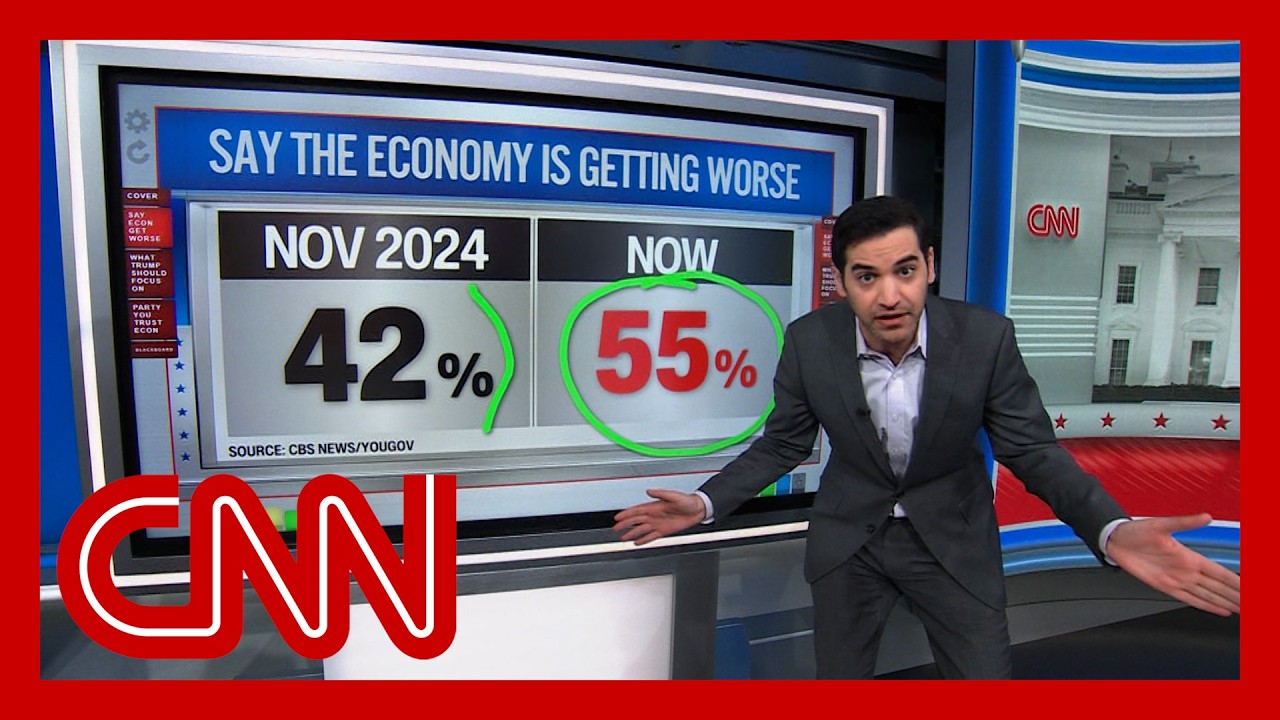
Harry Enten, CNN’s chief data analyst, provided crucial insights into these polling dynamics. He noted an alarming trend. Following Trump’s re-election in 2024, 42% of Americans felt the economy was deteriorating. Now, that figure has surged to 55%. Enten emphasized that such escalating discontent poses a severe threat to Trump’s political future. Historically, when a majority of voters express negative views on economic conditions, it has been a precursor to electoral failure.
A critical dimension of this polling data relates to what Americans prioritize most. Contrary to the administration’s focus on immigration and crime reduction—issues that have dominated headlines—polls consistently indicate that the public’s foremost concern is economic affordability. A substantial 54% of respondents identified lowering prices as their top priority, a stark contrast to the 22% who prioritized immigration and just 10% for crime reduction. This misalignment between the administration’s focus and public concern signals a potential vulnerability as midterm elections approach.
The political landscape further tilts in favor of the Democrats on issues of affordability. As Enten pointed out, Democrats maintain a 14-point advantage over Republicans on the question of which party Americans trust more to handle economic issues. The gap is even larger among independent voters, where Democrats lead by 39 points. Such data indicates a significant shift in perception that could yield substantial consequences for the Republican Party.
Adding another layer to the discourse on economic priorities is a recent poll from KFF, which reveals that health care has emerged as a primary anxiety for many Americans. Concerns around the costs of health insurance and prescription drugs trump worries about groceries or utility bills. This revelation presents a unique challenge for Trump, who has long sought to make health care a cornerstone of his administration. Despite his efforts, voters have remained skeptical, particularly following his administration’s earlier failures, such as the attempt to repeal and replace the Affordable Care Act.
Elena, a panelist in the discussion, highlighted the contradictions within the Republican strategy. While Trump aims to champion health care reform, many within the party are wary of making it a centerpiece of their midterm campaign messages. Democrats, having historically gained political ground through health care reform, are poised to capitalize on any vulnerability in this arena.
As mentioned in the conversation, there are calls for a universal health care plan, similar to progressive visions like Medicare for All. The notion of a “strong floor, no ceiling”—a phrase popularized by venture capitalist Oliver Libby—reflects a desire for comprehensive solutions to address economic insecurities across multiple fronts. Libby posits that Americans yearn for a cohesive vision that focuses on opportunity and the reinvigoration of the American Dream. With current sentiments revealing widespread dissatisfaction, such perspectives might resonate strongly with voters.
Undoubtedly, the upcoming midterms will test these dynamics. As citizens grapple with escalating prices and shifting political allegiances, candidates must navigate the complexities of public sentiment. Whether Trump’s administration can redirect its focus to align with voter priorities remains to be seen. As we approach the elections, the question looms large: Can a shift in messaging—and subsequent actions—transform the prevailing narrative on the economy, or will the disconnect between political focus and public expectation prevail? Each poll not only reflects the present mood but serves as a harbinger of potential electoral outcomes. Democrats, backed by compelling data, are reaffirmed in their strategy, while Republicans may need to reevaluate their priorities to maintain their electoral standing.