Analyzing President Trump’s Recent Address on Iran: A Complex Situation
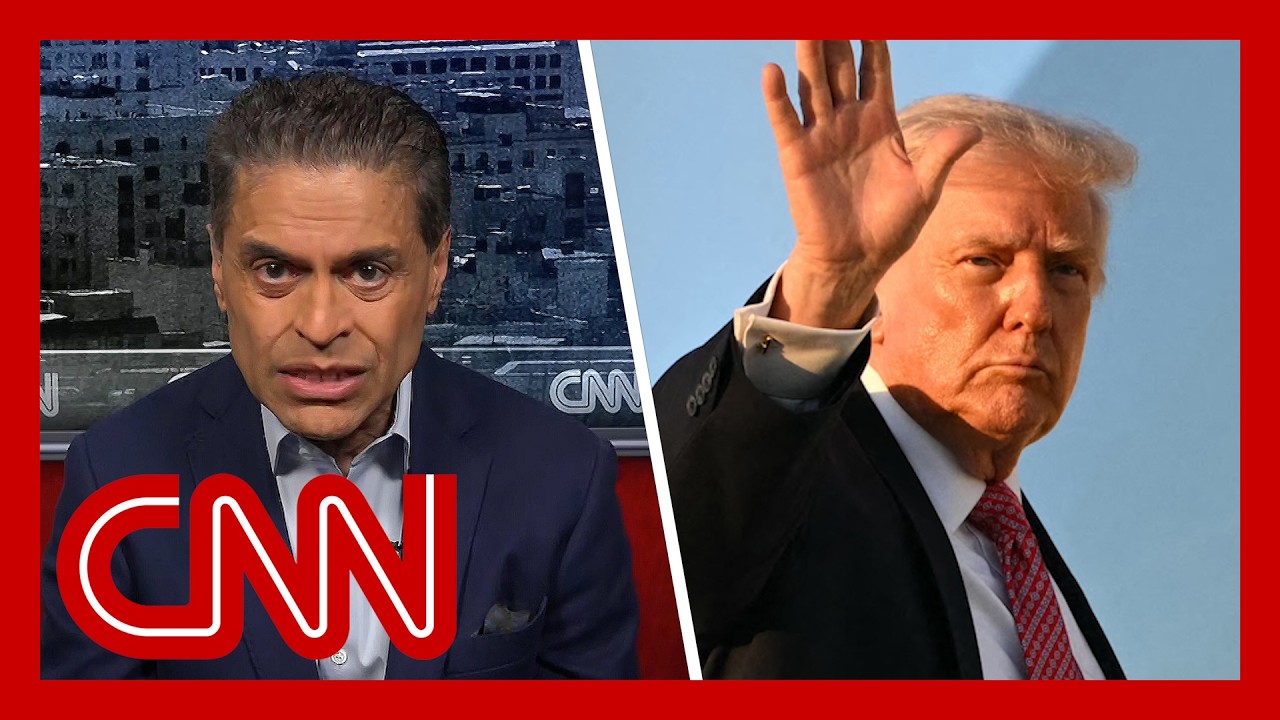
In a recent address, President Trump outlined a new timeline regarding the ongoing conflict in Iran, suggesting that a resolution could be achieved within two to three weeks. This announcement raises significant questions about the administration’s strategy and objectives in the region.
At first glance, the president’s comments may appear to indicate a desire to wind down active engagements in Iran. However, the reality is decidedly more complex. As evidenced by Iran’s recent actions—including economic warfare aimed at disrupting global oil markets and maintaining control over the Strait of Hormuz—the Iranian regime remains steadfast in its approach. Their vote appears to lean towards prolonging the conflict, highlighting the difficulty President Trump faces in executing a unilateral withdrawal.
The situation is even more nuanced when considering the perspective of U.S. allies in the Gulf, such as Saudi Arabia and the United Arab Emirates. Reports suggest these nations desire further pressure on Iran, which may explain the president’s tentative timeline. By suggesting a limited window for resolution, Trump seems to signal to both domestic and international audiences that he is considering military action while simultaneously looking for an exit strategy.
The mention of potentially leaving the Strait of Hormuz closed introduces a layer of absurdity to the discussion. The court of public opinion may be confused by the juxtaposition of President Trump’s assurances of military success against the backdrop of erratic Iranian oil revenues, which have surged partly due to geopolitical tensions. Iran’s economic leverage is undeniably strengthened by the elevated price of oil, a matter that severely constrains U.S. leverage in the region.
If we delve deeper into the president’s assertions regarding regime change in Iran, contradictions come to light. Trump characterized the new Iranian leadership as "more reasonable." However, this perspective fails to reflect a basic understanding of the Iranian political landscape. The current administration in Iran seems to consist of more hardline elements than before, having effectively maintained control over military and economic structures while asserting its preferences on the geopolitical stage.
Despite the U.S. military making tactical advancements—such as degrading specific aspects of Iran’s military capabilities—the overarching goal of regime change remains elusive. Any claims that the previous governance has significantly transformed are simplistic at best. Underlining this point, a straightforward inquiry to any Iranian citizen may yield a clear response: the same repressive regime has remained intact for over four decades.
When discussing what’s happening behind the scenes, it becomes apparent that a pattern of mixed signals permeates the administration’s foreign policy communication about Iran. One day, the president threatens military action against Iranian installations; the next, he appears to dismiss the need for any intervention at all. This inconsistent messaging reflects a broader strategy of maintaining flexibility, often referred to as "optionalism."
The presidency has noticeably shifted since Trump’s first term. The current administration operates with a smaller circle of advisors who largely support Trump’s directives. Unlike previous periods where dissenting opinions might have surfaced more vocally, today the atmosphere leans toward alignment with the president’s message. Such a small, insular group may inadvertently limit the flow of crucial information and analysis needed for informed decision-making.
As we await Trump’s upcoming address on the Iran situation, the implications for U.S. policy remain uncertain. While the president’s inclination to wrap up military involvement is evident, the degree of Iranian agency in this unfolding drama cannot be overstated. Whether the Strait of Hormuz will remain contested, and whether any meaningful agreements regarding nuclear enrichment will emerge, remains to be seen.
In summary, President Trump’s statements about Iran are laden with contradictions and overshadowed by complex realities. The promises of imminent resolution and regime change stand in stark contrast to the entrenched nature of the Iranian regime and the geopolitical leverage they currently wield. Without a coherent strategy that accounts for these dynamics, the U.S. may find itself in an increasingly precarious position, both regionally and internationally.