FIFA Ticketing Controversy: An Investigation into Allegations of Price Manipulation
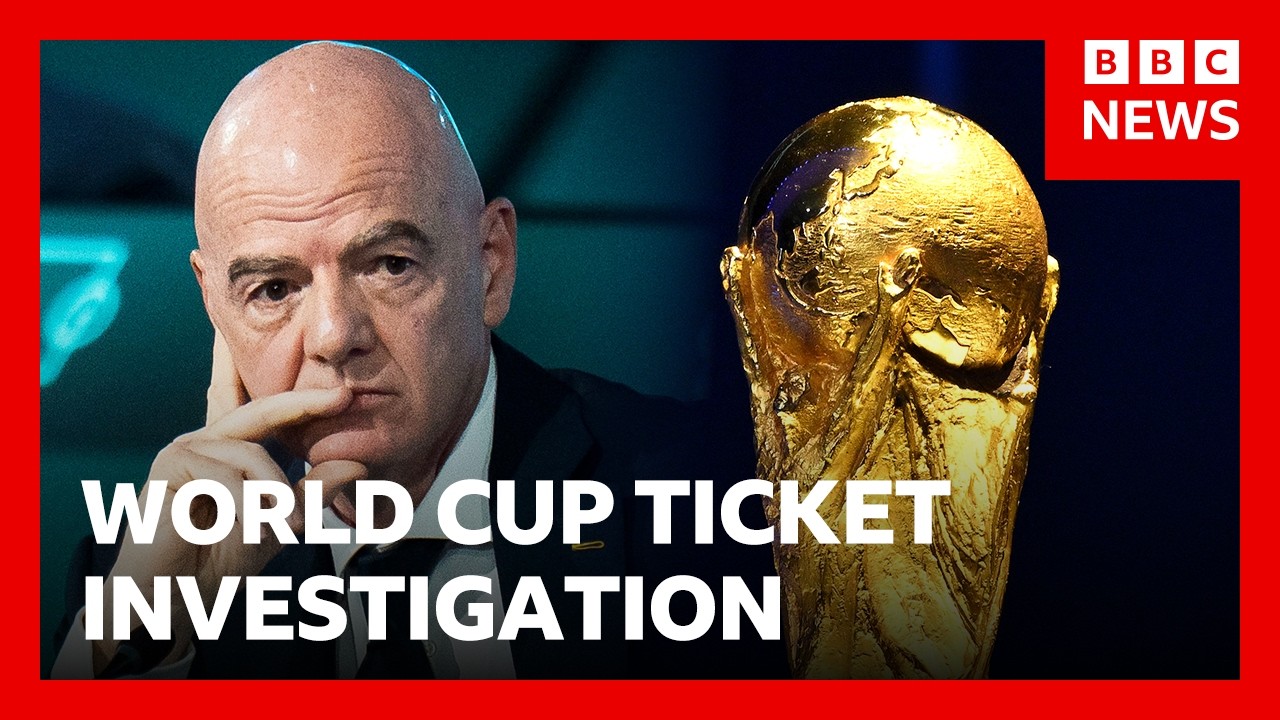
As the countdown to the World Cup intensifies, FIFA finds itself embroiled in controversy over ticket sales. Allegations of artificially inflated prices and misleading practices have prompted the attorneys general of New York and New Jersey to launch an official investigation. With the tournament just weeks away, the scrutiny surrounding FIFA has reached new heights.
The issues surrounding ticket sales are manifold, characterized by high prices and a labyrinthine purchasing process that has left many fans feeling scammed. New Jersey’s top prosecutor aptly described FIFA’s ticketing as a "gauntlet of confusion, fake scarcity, and impossibly high prices." Despite these serious allegations, FIFA has yet to respond to requests for comment, a move that has only fueled suspicions among both fans and legal officials.
At the heart of this investigation lies a consumer protection case. Reports indicate that the ticketing process, which employed a lottery system, may have been designed to create an illusion of scarcity—thus allowing FIFA to raise prices. According to some fans, prices have increased by an average of 34%, with many feeling that they did not receive the tickets they initially paid for. Some reported receiving tickets that were far from the originally selected seating categories, undermining the integrity of the ticketing process. Investigators aim to scrutinize these practices, requesting internal documents to shed light on whether FIFA exploited consumers.
Among the dissatisfied fans is Chris Donahoo, a member of the American Outlaws, a supporters’ group dedicated to U.S. soccer. Donahoo recounted his own experience navigating the ticket purchasing process, revealing that ticket prices are staggering, especially for the high-demand matches in Los Angeles and Seattle. "Category 2 and 3 tickets are upwards of $2,000," he explained, underscoring that this amount does not even account for the cost of travel and accommodation. The financial burden has caught many off guard, leaving supporters disillusioned.
Donahoo is not alone in his sentiments. He believes that FIFA has mis led fans about the inclusivity of the event. Despite promises that the World Cup would be a celebration for all, ticket prices have rendered attendance unaffordable for many. "The message has been clear that this is the world’s game, a peace game," he remarked. However, the reality appears starkly different, resulting in a perception that the event is now elitist.
Adding to the confusion is FIFA’s adoption of dynamic pricing for tickets, a first for the organization. This model allows ticket prices to fluctuate based on demand, leading to drastic variations based on factors like game day and time. Donahoo finds this approach morally questionable, arguing that the goal should be about filling seats rather than maximizing revenue. "It feels like the average hardworking American can no longer afford to attend games in their hometowns,” he lamented.
Critics of FIFA, including Donahoo, have been vocal against the assertions by FIFA President Gianni Infantino, who claims that the organization is simply charging what fans in the United States are willing to pay. Donahoo characterized this perspective as a "cash grab," citing the availability of tickets on secondary markets. Many individuals who initially purchased tickets may now be attempting to resell them, having underestimated the total cost involved in attending the matches.
The investigation into FIFA’s ticketing practices serves not just as a probing into legal boundaries but also raises ethical questions about accessibility and fairness for fans. For many dedicated supporters, the World Cup represents a once-in-a-lifetime opportunity. This moment should embody the spirit of unity and inclusivity, but as it stands, the financial barriers threaten to alienate a significant portion of the fan base.
In a world where sport increasingly intersects with commerce, FIFA must grapple with the consequences of its ticketing strategies. As the inquiry unfolds, the hope remains that fans’ voices will prompt tangible changes, making the World Cup a celebration for everyone, not merely a wealthy few. Whether FIFA can pivot from this controversy and reclaim its narrative will play a crucial role in defining the future relationship between the organization and its passionate supporters.