The geopolitical landscape regarding Iran has seen escalating tensions, particularly in relation to maritime security in the Strait of Hormuz. Recent discussions have indicated that the Chinese government’s position on the Iran war is complex and influenced by its substantial investments in Iranian oil. But whether these dynamics work in favor of U.S. interests remains debatable.
China’s economic stakes in the region are significant, considering its oil imports extend beyond Iran to include major suppliers like Saudi Arabia and the UAE. However, the involvement of the U.S. is multifaceted. With previous administrations, including Trump’s, employing tactics such as arms sales to Taiwan, it raises the question of whether these strategies complicate U.S. leverage in Asia and the Middle East. The fundamental challenge lies in countering Iran’s capacity to manipulate oil access, which has crucial implications for both regional and global economies.
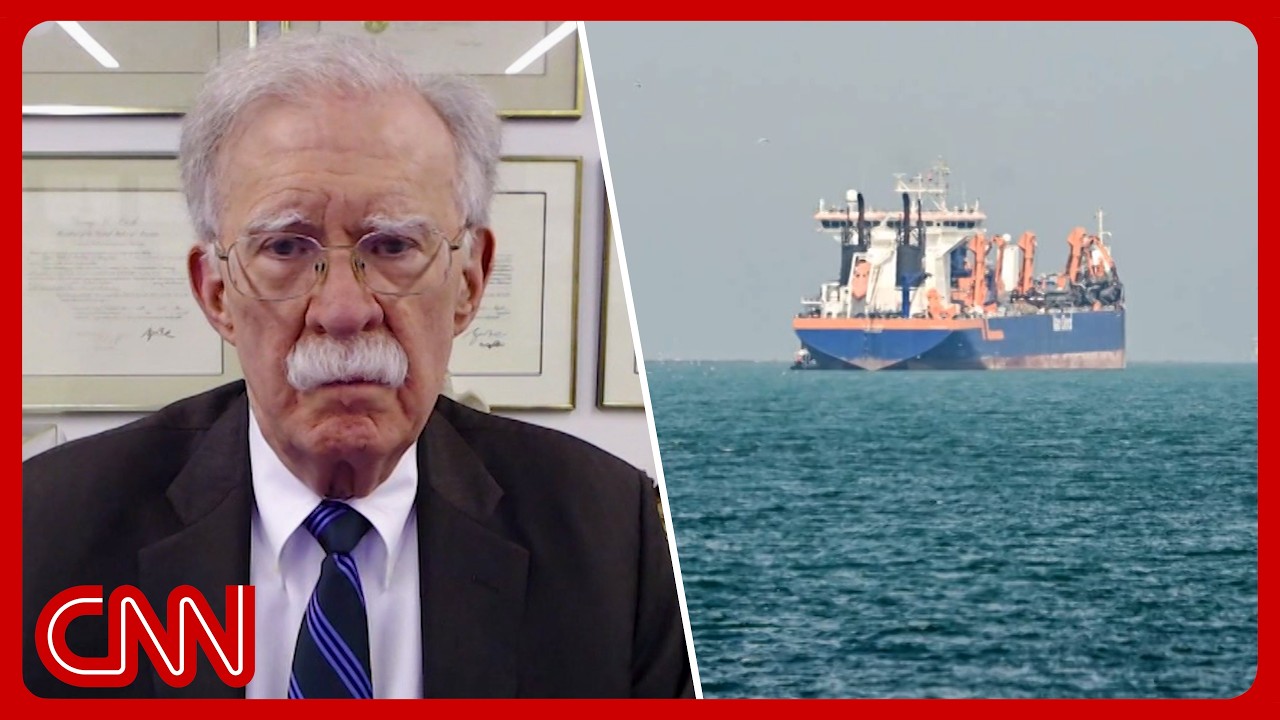
Given the escalating hostilities, some analysts argue that military solutions may become inevitable. The notion that the U.S. and Gulf Arab states may need to exert military force to ensure open navigation through the Strait of Hormuz has garnered significant attention. This would not involve an overwhelming presence of U.S. troops but rather targeted actions—such as neutralizing drone launching sites or addressing Iranian fast boats threatening commercial shipping lanes.
The urgency of this approach is amplified by recent intelligence suggesting that Iran has already revived drone production during a six-week ceasefire, a move that poses significant risks. This dip in hostilities apparently acted to Iran’s benefit, allowing it to regroup and rebuild its military arsenal without the same pressures it faced before. The underlying reality here remains troubling: the Iranian regime prioritizes its survival over the welfare of its people, with implications that extend to its tightening grip over military capabilities.
The disparity between U.S. intelligence assessments complicates this matter further. Reports indicating that Iran could rapidly reinstate its military capacity contradict statements from high-ranking military officials claiming Iran’s rebuilding efforts would take years. Such inconsistencies underscore a broader concern that if the U.S. facilitates a retreat or declares the operations complete, Iran may revert to aggressive posturing sooner rather than later. The potential long-term repercussions are dire: if left unchecked, the regime could reclaim its previous levels of military activity, which is detrimental not only for regional security but for U.S. interests as well.
Opposition to ceasefires stems from this understanding. Critics argue that such agreements invariably benefit Iran, allowing it time to fortify its military presence rather than pursuing genuine diplomacy. The overarching goal presented by several analysts is regime change. There’s recognition that the Iranian regime has sustained considerable losses, not just in military terms but also economically and in leadership credibility. Yet, halting pressure could risk reversing any gains achieved thus far.
In tandem with these developments, discussions surrounding the U.S. military presence in Europe have emerged. President Trump’s decision to deploy an additional 5,000 troops to Poland, amid past troop withdrawals from Germany, raises questions about U.S. military strategy and coherence within NATO. Secretary of State Marco Rubio has been active at NATO meetings, trying to calm the growing unease among allies about U.S. commitment. As concerns over Iran’s behavior intensify, discussions at these high-level meetings have highlighted the need for a united front and clear military objectives.
Yet, European nations express hesitance about direct involvement in the Middle East, with some questioning NATO’s role in securing the Strait of Hormuz. Many European leaders maintain that such engagements contradict the alliance’s foundational missions as articulated during its inception.
As the situation continues to develop, the need for a coherent strategy that adheres to both American interests and international norms remains crucial. Conversations about the potential for a Plan B to address Iran’s non-compliance are indicative of the mounting stakes in this complex geopolitical chess game. The future of U.S.-Iran relations hangs in the balance, and the global community watches closely as events unfold.