Navigating the Complexities of Modern Naval Warfare: Drones, Blockades, and Strategic Calculations
The landscape of military engagement is changing dramatically as recent developments highlight the intricate interplay between action and reaction on the global stage. President Trump’s description of the current conflict as a "military skirmish" starkly contrasts with the rising concerns among senators and military experts about a potential "forever war." The prevailing sentiment suggests we may be further entrenched in ongoing conflict than ever. A ceasefire seems elusive, with critical diplomatic efforts fraying under the weight of escalating tensions.
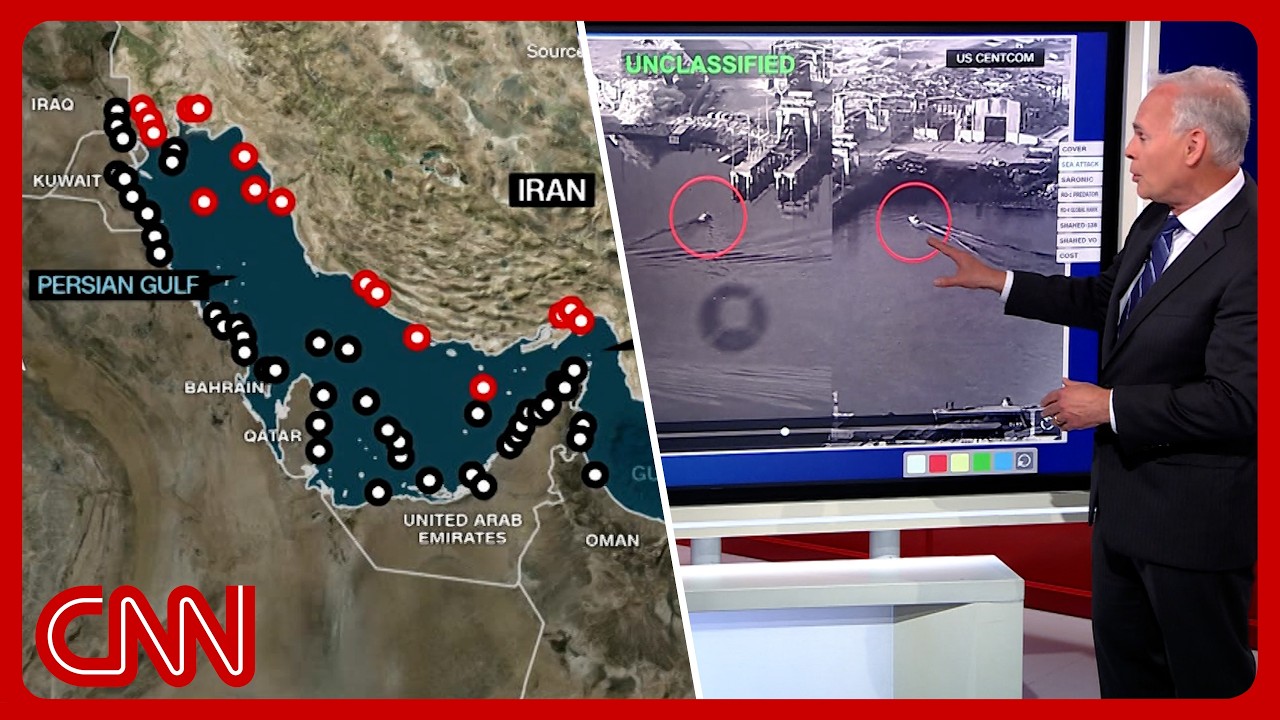
The administration’s recent decision to impose a blockade on Iranian ports underscores the magnitude of the current crisis. Spanning approximately the length of California and Oregon, this blockade represents a significant naval operation that entails considerable resources and time. The U.S. Navy’s deployment of destroyers to surveil and interdict vessel traffic from these ports is no small feat. Each ship commands a crew of several hundred sailors, each tasked with navigating the high risks associated with potential conflict. The extensive support, including aerial reconnaissance and drones, amplifies the complexity of this operation.
As this blockade takes effect, it is essential to understand the implications for U.S. naval operations. The task of monitoring Iranian ports does not happen overnight and requires meticulous coordination. The risk of additional incidents looms large, potentially escalating violence. The chance of miscalculations or overt provocation grows as American naval forces position themselves in tense waters. It is a precarious balancing act where the stakes are elevated on both sides.
A significant development in this scenario is the U.S. Navy’s utilization of sea drones in combat for the first time. This innovative approach allows for targeted strikes, such as the recent destruction of an Iranian dry dock facility. By using drones, the Navy not only minimizes the risk to personnel but also optimizes operational efficacy in a perilous region. This mirrors the evolving tactics seen in the Ukraine conflict, where Ukrainian forces have successfully deployed sea drones against the Russian Black Sea fleet. Naval warfare is increasingly characterized by such technological advancements, emphasizing the necessity for agility and adaptability in military strategy.
Furthermore, discussions surrounding drone warfare reveal the substantial evolution in how conflicts are fought today. The U.S. Navy’s integration of various drone technologies—including the Seronic, a multi-purpose drone used for both reconnaissance and combat—illustrates a shift in naval capabilities. These advancements stem from lessons learned in recent conflicts, most notably the war in Ukraine. The ability to conduct search and rescue missions with drones signifies a broader application of unmanned technologies in warfare.
It is also important to note how adversaries like Iran are leveraging drones to counterbalance U.S. military superiority. The Iranian Shahed 136 drone, for instance, represents a cost-effective means of waging war while imposing substantial costs on more advanced systems. With a minimal production cost, the Shahed poses a threat that necessitates expensive defensive countermeasures from the U.S., underscoring a critical imbalance in military economics.
The tactical considerations of engaging drone threats further complicate modern warfare. U.S. military planners must evaluate the cost-benefit ratio of deploying high-end missiles against relatively inexpensive drones, often opting for alternatives that do not deplete vital resources. This strategic patience—the judicious allocation of military assets—has become an integral part of contemporary operational planning. It requires a deep understanding of adversary behaviors and the willingness to adapt as situations evolve.
In conclusion, the complexities of modern naval warfare call for a nuanced understanding of technological advancements and strategic positioning. As nations grapple with the challenges of asymmetric warfare, the delicate balance between engaging threats and preserving resources will dictate future engagements. The dynamics of blockades, drone warfare, and evolving military tactics offer a glimpse into a reality where conflicts are increasingly intricate—and potentially, enduring. This era demands not only military might but also diplomatic finesse, as lasting peace seems to drift further out of reach.