Alarming Developments in Aviation Regulation: The Case of a Fraudulent Air Canada Pilot
In an unprecedented incident that has shocked the aviation community, an Air Canada pilot has been arrested for allegedly operating without the required airline transport pilot license since 2009. This revelation, resulting from a complex investigation dubbed Project Icarus, raises serious questions about oversight in the aviation industry and the implications for public safety.
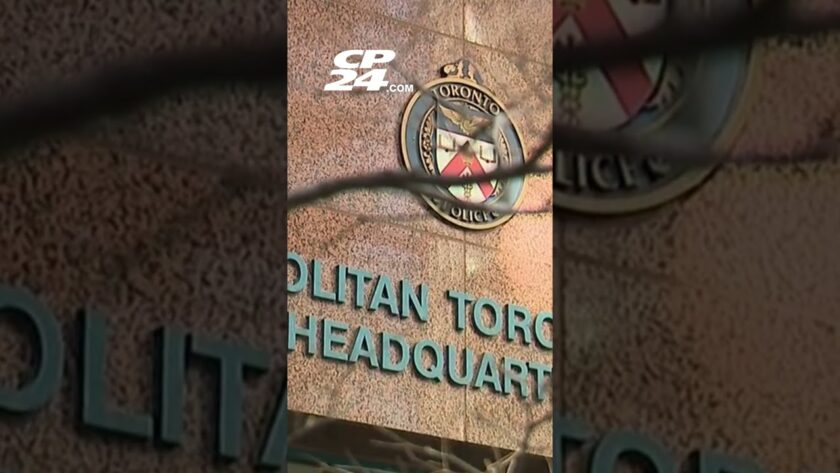
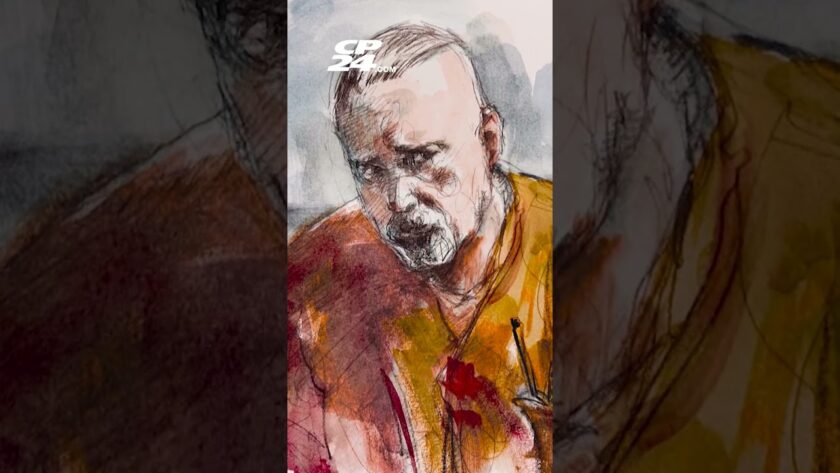
Jeffrey Wall, the 59-year-old pilot in question, was apprehended by Peel police following a tip-off from Transport Canada. The investigation began when discrepancies in his license were identified during a routine check. It was ultimately discovered that Wall had flown over 900 domestic flights, accruing a salary in excess of $2.9 million without the necessary qualifications.
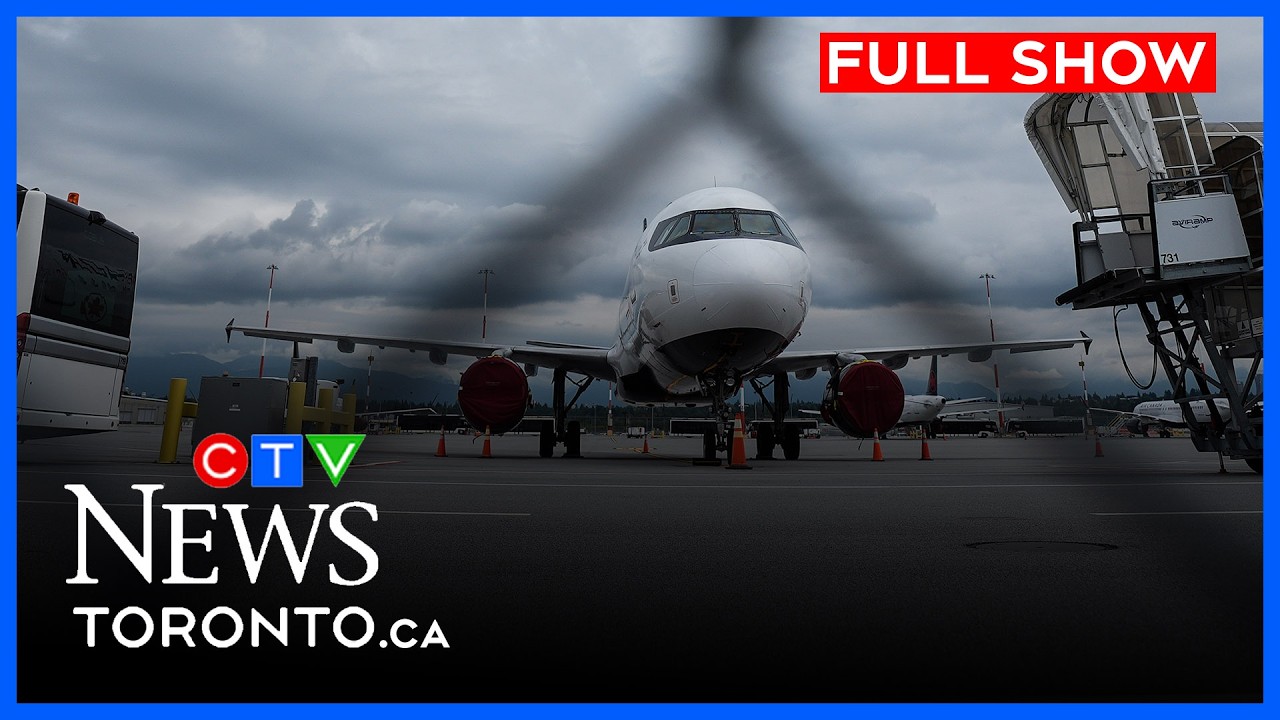
Authorities revealed that, despite possessing a commercial pilot’s license, Wall lacked the high-level certification required to operate major aircraft like the Boeing 767, 777, and 787. Police compared his situation to that of a family doctor performing brain surgery without the appropriate credentials—an analogy that underscores the gravity of the breach.
In a statement, Air Canada acknowledged the situation. "This individual who had been promoted to captain lacked the mandatory airline transport pilot license for the position," they stated, expressing dismay over the breach of trust. The airline took immediate action to remove Wall from active duty and voluntarily reported the matter to Transport Canada.
Wall now faces multiple charges, including fraud over $5,000 and forging documents. His first court appearance is scheduled for the end of June. While he has yet to defend himself formally in court, the implications of his actions could resonate deeply within the aviation sector, prompting calls for a thorough reevaluation of licensing processes and enforcement.
This incident raises broader questions about the adequacy of regulations designed to ensure the safety and competency of airline crews. Since the events unfolded, both the public and aviation experts have expressed alarm over how a pilot could operate in such a capacity without proper credentials. The case serves as a potential catalyst for reform in regulatory oversight and training protocols in Canada’s aviation landscape.
As investigations continue, the focus shifts toward understanding how such a significant lapse in safety protocols could occur. Are the systems in place sufficient to deter similar behavior in the future? The possibility that other individuals may have managed to bypass crucial safety regulations further complicates the scenario and calls for immediate action from both regulatory bodies and airlines.
Air Canada has emphasized its commitment to safety and compliance, but this incident underscores the importance of continuous monitoring and improvement. The consequences of having unqualified individuals in such crucial roles could have been catastrophic. Although no accidents occurred as a result of Wall’s actions, the potential risks associated with unsupervised operations are a stark reminder of why adherence to regulations is paramount.
The ramifications extend beyond Air Canada. This case may compel a national conversation about aviation safety, specifically regarding the integrity of professional licensing. Regulatory agencies must reevaluate their practices to safeguard against similar breaches and ensure the highest standards are maintained in the industry.
Moving forward, transparency and rigorous oversight will be critical in restoring public trust in Canada’s aviation framework. As developments unfold and more information comes to light, stakeholders across the industry will be watching closely, eager for corrective measures to be established in the wake of this unsettling incident. The world of aviation—a sector built on meticulous standards—must respond appropriately to reinforce a culture of safety that is fundamental to its operation.