Investigating Deception: The Case of a Former Air Canada Pilot
The aviation industry thrives on trust and the foundational principle that pilots are rigorously trained and qualified to operate aircraft safely. However, a recent case involving a former Air Canada pilot, Jeffrey Wall, has raised serious concerns over the integrity of pilot credentials and the potential risks posed to public safety.
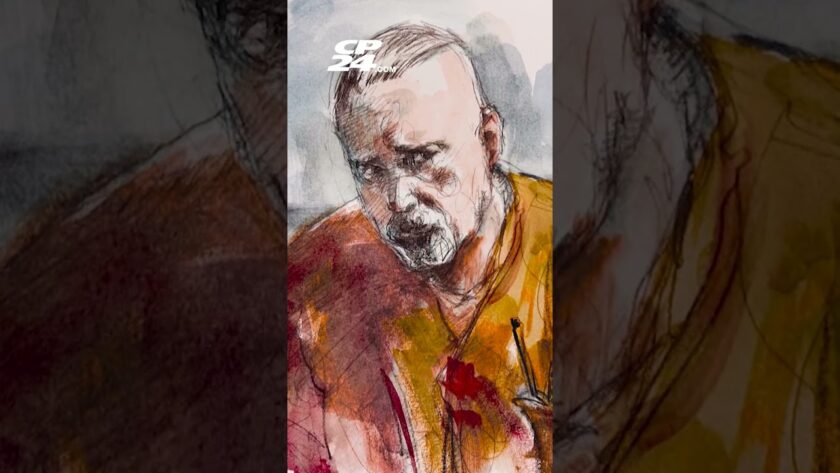
Wall, 59, is scheduled to appear in court today, facing multiple charges including fraud and public mischief. Over the course of his 27-year tenure with Air Canada, Wall is alleged to have flown approximately 900 domestic and international flights using a forged pilot’s license. This has ignited a widespread investigation into not only Wall’s actions but also into the systems that are in place to monitor pilots’ qualifications.
While it has been established that Wall did possess certain qualifications, the critical issue lies in the absence of a high-level license necessary for commanding Boeing aircraft. This crucial gap in his credentials should have precluded him from operating such sophisticated machinery. The anomaly relating to his pilot documentation came to light during a routine evaluation last year, which ultimately triggered a wider investigation by authorities.
The implications of such allegations are significant, as they bear directly on the safety of countless passengers who entrusted their lives to this pilot. Flying is an intricate blend of skill, precision, and adherence to regulations, and any breaches in protocol can have catastrophic consequences. The fact that Wall managed to conduct nearly a thousand flights without the necessary qualifications casts a long shadow over the standards and practices within airline operations.
In addition to the fraudulent use of a forged license, investigators allege that Wall attempted to further obfuscate his actions by filing a false police report. This attempt to conceal the fraudulent activity only adds layers of complexity to the case. It reveals a calculated effort to mislead authorities and raises questions about Wall’s judgment and accountability, particularly in a profession that prioritizes safety and ethical practice.
Wall’s lengthy career at Air Canada, culminating in his retirement in 2025, is now marred by these grave accusations. This situation does not merely represent an isolated incident; it highlights systemic vulnerabilities that may exist in the airline industry’s oversight mechanisms. Regulatory bodies are charged with ensuring the highest operational standards; thus, this case should prompt a thorough review of the processes for verifying pilot credentials.
Furthermore, this incident emphasizes the need for more robust checks and balances within airline corporations and regulatory institutions. A comprehensive examination of pilot training programs, credential verification processes, and ongoing evaluations might be warranted. It is vital that the entire aviation sector reassess its commitment to safety and accountability to restore public confidence in air travel.
As investigators delve deeper into Wall’s case, the ramifications extend beyond the individual. This issue invites scrutiny of the airline industry as a whole and poses critical questions about the effectiveness of current protocols designed to safeguard against fraudulent practices. The stakes are remarkably high; airlines must prioritize transparency and integrity to maintain their reputations and the safety of their operations.
Wall’s court appearance today will mark the next chapter in a saga that is both troubling and instructive. Regardless of the outcome, it serves as a stark reminder of the paramount importance of trust in aviation. It compels us to consider the broader implications of professional integrity in fields where public safety is involved.
As the legal proceedings unfold, it is incumbent upon all stakeholders—airlines, regulatory bodies, and passengers alike—to remain vigilant, ensuring that integrity and safety are upheld in the skies. Only through such vigilance can we hope to avert potentially disastrous scenarios in the future. As this case progresses, it will undoubtedly become a focal point in discussions surrounding regulatory practices and the commitment to safety in aviation.