Snowstorm Response: The Resilience of Toronto
The recent snowstorm in Toronto unleashed a monumental amount of snowfall, challenging both residents and city services alike. Although winter storms are not unfamiliar to Canadians, the sheer volume of snow from this event exceeded even the expectations of seasoned individuals. As one resident remarked, “This kind of snow would put Winnipeg out for a couple of days,” underscoring the severity of the situation.
Toronto’s landscape transformed dramatically as the storm took hold. Roads that typically support bustling traffic were eerily deserted, a direct result of the mayor’s admonitions urging residents to remain indoors. Many listened, opting for safety over the hustle and bustle of daily life. However, a few individuals took to the roads carelessly, including the driver of a snowmobile, who was involved in a crash while navigating a major highway. Such incidents highlight the inherent risks that come with ignoring safety warnings during adverse weather.
The snow prompted an enormous municipal response. Toronto manages approximately 5,100 kilometers of roads, a stretch that could traverse the country itself. Clearing these thoroughfares requires not only manpower but also a logistical finesse that can be tested under such extreme conditions. While plowing operations progressed, it soon became clear that navigating the narrower side streets posed significant challenges. The accumulation of snow left many neighborhoods virtually impassable.
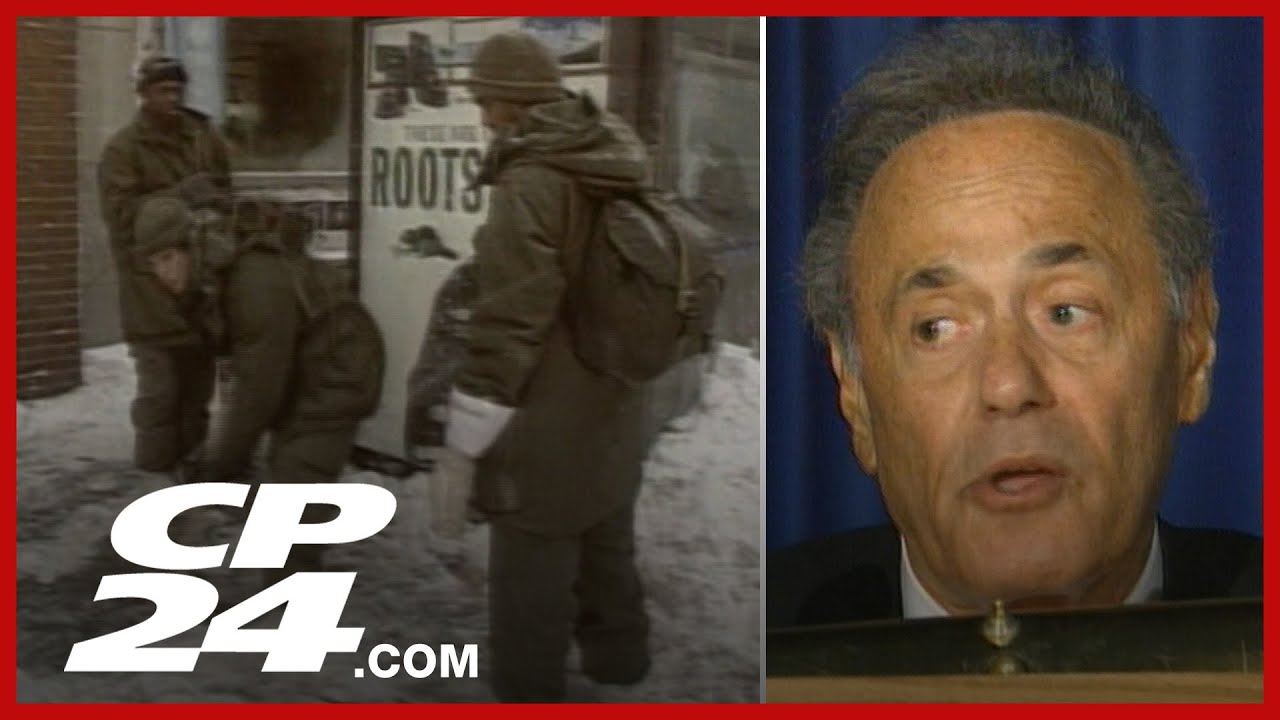
In response, the Canadian Armed Forces were summoned for assistance. Four armored personnel carriers, known as bison vehicles, were deployed to facilitate the movement of those trapped by the snow. Their primary mission? Transporting individuals in need of medical attention when ambulances were unable to reach them. In total, these military units successfully transported 18 people to hospitals. Their help proved invaluable; however, the majority of the 400 soldiers on the ground engaged in less glamorous but equally essential tasks, such as clearing transit shelters and assisting in the overall snow removal effort.
Despite the army’s support, some observers criticized the city’s decision to call in military aid, viewing it as an overreaction. Toronto’s mayor, undeterred by the skepticism, defended the actions taken. “They can laugh. They can do anything they damn well want,” he stated emphatically. “But come on down here and see what Toronto is going through.” His comments reveal a deep appreciation for the challenges faced by the city, affirming that in times of crisis, decisive action is often necessary.
As the storm receded, remnants of its impact continued to pose hazards. Road conditions became treacherous, with slick surfaces leading to unforeseen accidents—such as a truck careening off a bridge into a ravine. Fortunately, in this instance, no serious injuries were reported, which might speak to the broader resilience of the city. Overall, Toronto residents remained adaptable, coping with the turbulent weather and its aftermath.
Much could be said about the spirit of the people in Toronto. The mayor’s unabashed pride reflects a sense of camaraderie and determination that has often characterized Canadian identity. “People in Toronto are the greatest,” he proclaimed, a statement perhaps lacking nuance but rich in genuine sentiment.
In conclusion, what unfolded in Toronto during this monumental snowstorm serves as a testament to the city’s resilience. Residents displayed remarkable adaptability and solidarity, while city services and the military collaborated to navigate unprecedented challenges. The experience reaffirms that even in the face of nature’s fury, communities can come together, turning adversity into an opportunity to showcase their strength and resolve.