Midterm Elections: Democrats Show Motivation While Republicans Worry
As the midterm elections approach, recent polling data unveils a significant trend: Democrats appear more motivated to vote than their Republican counterparts. This shift could have critical implications for the balance of power in Congress, particularly as Republicans cling to a narrow majority in the House.
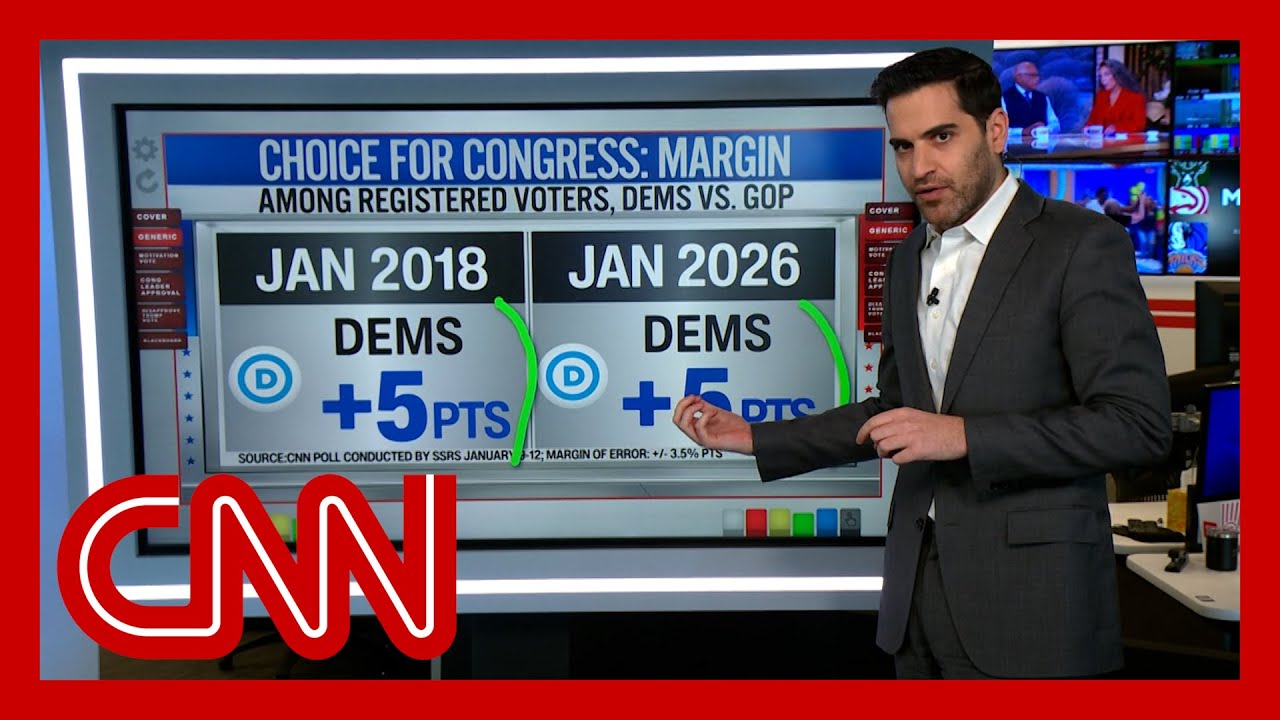
Pollster insights reveal that Democrats currently hold a five-point edge in the generic congressional ballot. This margin mirrors the advantage Democrats had in the lead-up to the 2018 elections, suggesting that history may be repeating itself. In that cycle, fueled by increased voter turnout, Democrats gained 40 seats, flipping the House majority. While it remains uncertain if Democrats will achieve a similar breakthrough this time, the current momentum seems to favor them.
What truly stands out, however, is the level of enthusiasm among voters. When looking at individuals who express a strong desire to participate in the elections—those who would go to great lengths to vote—Democrats lead by an impressive 16 points. This enthusiasm mirrors trends seen in state elections, where Democratic turnout has consistently outstripped that of Republicans. These figures present a hopeful picture for Democrats as they eye a House majority.
Yet, it’s crucial to understand that enthusiasm alone doesn’t guarantee electoral success. Voter sentiment toward congressional leadership is mixed. While the generic ballot shows Democratic favor, only 28% of Americans approve of the job Democratic leaders are doing. Republican leaders fare slightly better, with a 35% approval rating. It raises a question: how can Democrats lead in the polls while suffering from low approval ratings?
A closer look reveals that discontent with President Trump is serving as a catalyst for Democratic support. A staggering 59% of voters disapprove of the president, and among those, 76% are inclined to vote Democratic in the congressional elections. This dynamic creates an interesting paradox: dissatisfaction with leadership doesn’t seem to deter voters from leaning Democratic, primarily due to their opposition to Trump.
Historically, midterm elections are often viewed as referendums on the party in power. In the past, voters have been quick to hold the ruling party accountable. The 2010 midterms are a case in point. Many citizens were unhappy with President Obama’s handling of various issues, subsequently leading to a massive loss of Democratic seats in Congress. As the analogy suggests, low approval ratings for Trump could lead to a similar wave against Republicans in November.
Despite the buoyant polling for Democrats, challenges remain. A CNN poll reveals that only 38% of respondents believe they would be better off if Democrats took over Congress. Such sentiments signal a potential hurdle; Democrats must shift public perception to establish themselves as the viable alternative to Republican governance.
A critical factor in the upcoming elections will hinge on economic sentiment. Many voters—particularly independents and younger demographics—are dissatisfied with their economic situation. They feel that promises for lower costs of living have not been met, indicating a disconnect that could prove detrimental to Republicans if not addressed.
Campaign strategies are likely to become increasingly focused on messaging around the economy. Vice President Pence and other Republican leaders recognize this need and are urging Trump to emphasize economic improvements rather than getting distracted by international affairs. If they fail to anchor their narrative around economic performance, they risk alienating voters who prioritize policy outcomes over partisan loyalty.
Both parties face an uphill battle. Democrats must transform their polling advantage into electoral gains, all while overcoming internal leadership critiques. Republicans, on the other hand, must find a way to invigorate their base and articulate their achievements effectively amidst a landscape of discontent.
The coming months will be pivotal. With Democrats showing strong turnout potential and Republicans struggling with leadership approval, the midterm elections may usher in significant political shifts. The future of the House could hinge not just on who shows up to vote, but also on who can effectively communicate their vision for the country moving forward.