The Aftermath of the Iran War: Analyzing Outcomes and Implications
The recent war involving Iran has left critical questions in its wake, notably regarding whether anyone has emerged victorious after three and a half months of intense conflict. With billions spent and countless lives lost, it’s essential to assess the war’s impact on Iran, the broader region, and the United States.
At the core of this conflict were longstanding fears regarding Iran’s nuclear ambitions. The pivotal outcome of any agreement was centered around the assurance that Iran would not pursue nuclear weapons. Both the United States and Iran reached a deal committing to this goal with stronger oversight measures. The efficiency of this agreement, however, remains under scrutiny. Did it ultimately produce a better outcome than before the war commenced?
Among various domains influenced by the war, the global economy stands out. The Strait of Hormuz—now a familiar term for many—is crucial for international trade, especially in oil and gas. Its temporary closure had grave implications; economists warned that a prolonged conflict could result in a deeper financial and energy crisis. Fortunately, signs of relief emerged when both nations agreed to open the strait. While optimism prevails in Washington, experts caution against assuming a swift resolution to any temporary disruptions, which could take weeks or even months to fully address.
Yet, the situation is nuanced. Iran’s control over the strait has shifted from a bargaining chip to an embodiment of its strategic posture. The agreements reached present a new dynamic; for Iran, control over the Strait of Hormuz signifies not merely an advantage but a long-term strategic position. This evolving geography will inevitably influence future negotiations and interactions within the region.
The nuclear situation presents another dilemma. Although President Trump frequently reiterated his commitment to preventing Iran from obtaining nuclear capabilities, the reality reflects a distinct trajectory. Iran currently possesses a stockpile of enriched uranium dangerously close to weapons-grade levels. Though preliminary discussions of dilution and suspension have emerged, the capacity for further complications looms large. If anything, the existing framework may resemble past agreements more than anticipated.
The broader implications for the Middle East are significant. Previously seen as an attempt to reshape the region, the war has inadvertently bolstered Iran’s standing. The Gulf states, initially furious with Iran’s military assertiveness, are beginning to reassess their positions. Reports suggest that even the UAE, historically a rival, is reaching out to Iran, recognizing that geographical realities cannot be ignored. Tensions between regional allies have been laid bare, prompting a recalibration of strategies.
Meanwhile, the sentiments of the Iranian people—characterized by a complex interaction of hope and despair—remain somewhat bleak. The anticipated external intervention has now morphed into a realization that reliance on foreign powers may be futile. Dreams of a reformed governance structure under external auspices appear dashed. The oppressive regime has tightened its grip, with an alarming increase in state-sanctioned violence against dissenters. The consequences are dire for those yearning for reform.
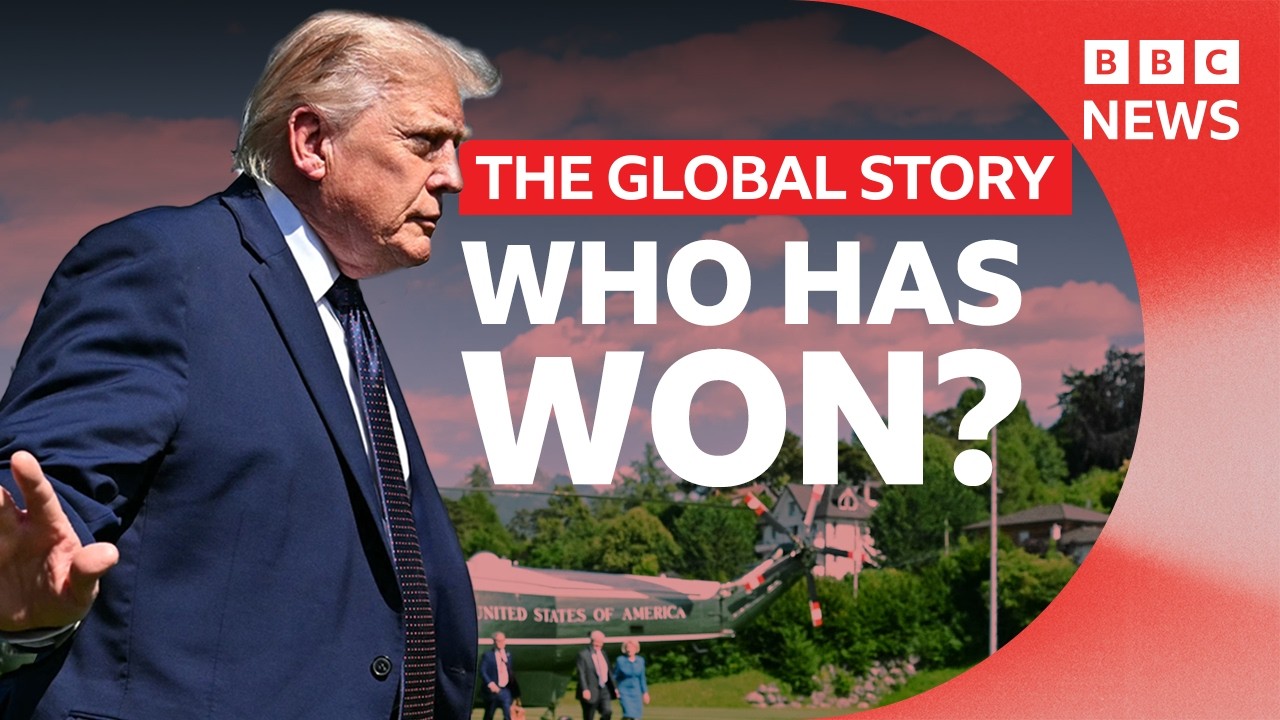
So, was there a definitive winner in this conflict? The consensus seems to be that while both Washington and Tehran may claim victory in different aspects, the real losers are the individuals caught in the crossfire. The people of Iran, alongside those affected globally by rising prices and humanitarian crises, have faced the brunt of the fallout.
In conclusion, the war’s ramifications extend beyond conventional metrics of victory or defeat. Diplomatic landscapes have shifted, power dynamics have evolved, and the fabric of regional relationships has frayed. This multifaceted scenario underscores that the conflicts of our time are rarely black-and-white; instead, they are fraught with complexity and nuance, demanding a reflective and comprehensive understanding. The war itself may have concluded in the traditional sense, but its echoes will resonate well into the future, leaving both hope and uncertainty in their wake.