Hillary Clinton’s Testimony: Scrutiny and Accountability in the Epstein Investigation
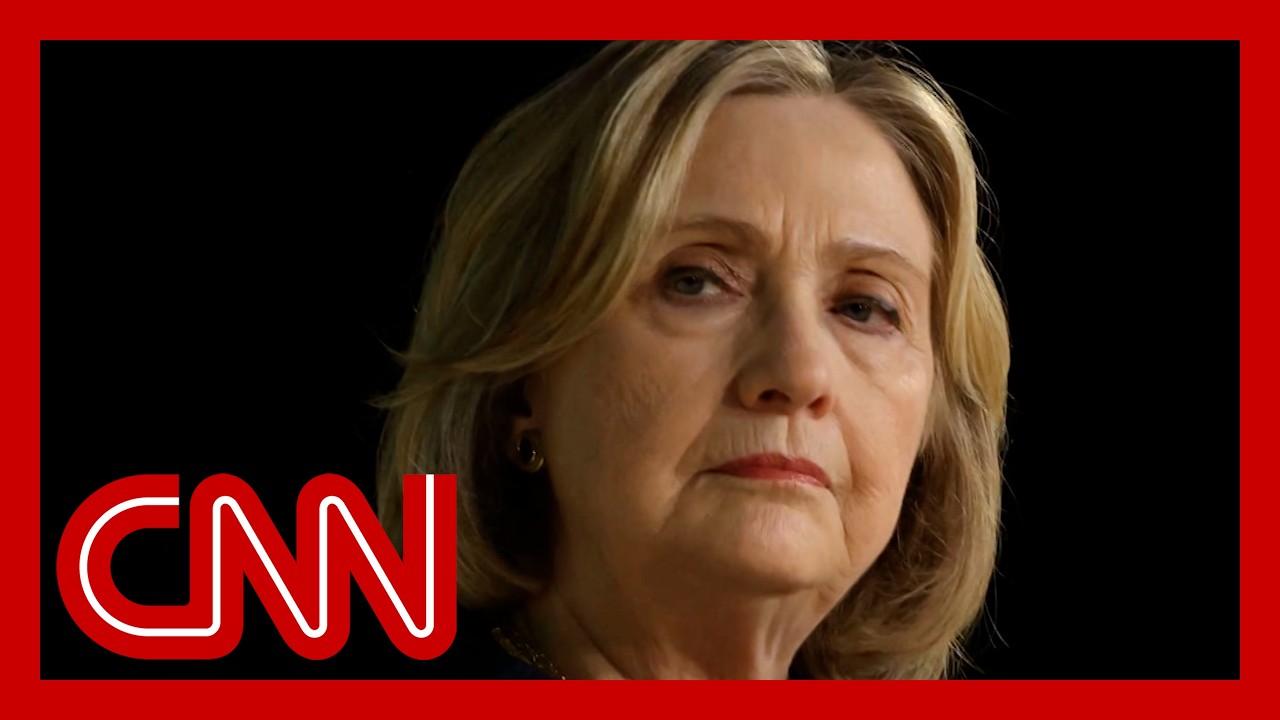
In a charged political climate, Hillary Clinton’s testimony before the House Oversight Committee has become a focal point in ongoing discussions regarding Jeffrey Epstein’s trafficking crimes. Clinton’s opening statement set an assertive tone, aimed at reframing the narrative surrounding the committee’s investigation. She questioned the efficacy and seriousness of its efforts, emphasizing that if the committee was genuinely interested in uncovering the truth, it would not depend on press leaks but would instead directly question President Donald Trump. Clinton pointed out that Trump’s name appears numerous times in the Epstein files and insisted that a legitimate inquiry necessitates his sworn testimony.
She characterized the committee’s actions as a "continuing coverup" by the Trump administration. The assertion was bold: “Something is going on,” Clinton declared, suggesting a calculated attempt to divert focus from Trump’s potential involvement in Epstein’s illicit activities.
As the deposition unfolded in a closed-door setting, Democratic lawmakers had made it clear that they had not gleaned any new information from Clinton herself regarding Epstein or his confidante Ghislaine Maxwell. Critics within the party contended that Clinton, who has publicly stated she never met Epstein, lacks the firsthand knowledge necessary to contribute meaningfully to the investigation. They highlighted the need for more relevant figures to be called to testify, including Trump himself.
The scrutiny of Clinton’s connections to Epstein reflects longstanding political dynamics, particularly her association with her husband, Bill Clinton. Bill’s established relationship with Epstein casts a shadow over his wife’s testimony. During the deposition, Hillary was asked about her husband’s alleged interactions with Epstein, to which she famously refrained from discussing her feelings, underscoring both her discomfort and the delicate nature of her situation.
Intriguingly, the deposition was briefly disrupted by a controversial incident involving Congresswoman Lauren Boebert. In a bid for attention, Boebert posted photographs during the hearing, an act she defended despite criticism. Her commentary drew attention not to the substance of Clinton’s testimony but to her attire, a trivialization that has not gone unnoticed amidst the gravity of the proceedings.
The dynamics within the committee suggest an ongoing partisan struggle. While Republicans have been vocal in demanding accountability, particularly from Bill Clinton, the Democrats highlight a perceived hypocrisy. They argue that both parties should face scrutiny in this expansive investigation into politicians’ ties with Epstein. The conversation often veers into how far the inquiry should extend and to whom it should apply— will others, including prominent Republican figures, be called to testify, or will their political affiliations shield them from the same level of inquiry?
Clinton’s historic role on the public stage complicates the discourse further. Having navigated intense scrutiny throughout her career, her presence before the committee signals the continued intertwining of personal and political narratives. The emotional weight of discussing Epstein—a notorious sex offender—within the context of her advocacy for women’s rights adds layers of complexity to her testimony.
As the testimony progressed, it became evident that Clinton’s involvement primarily revolves around her identity as a political figure rather than any direct ties to Jeffrey Epstein. The implications of being drawn into this narrative are profound; she represents a broader conversation about accountability and the interconnectedness of political legacies.
While Clinton’s deposition may not yield extensive revelations about Epstein’s crimes, it raises essential questions about the nature of political responsibility. As future hearings approach, particularly Bill Clinton’s anticipated testimony, the attention will shift back to him, bringing renewed focus on the relationship between power and ethical accountability.
The investigation into Epstein’s trafficking crimes underscores an urgent societal need for transparency, yet it also highlights the complications inherent in political rhetoric. Clinton’s testimony challenges us to consider the extent to which public figures are responsible for their associations and the mechanisms of accountability that should be in place to ensure justice in such cases. In the end, the real outcome of this inquiry may hinge on the courage to confront uncomfortable questions, irrespective of political affiliation.