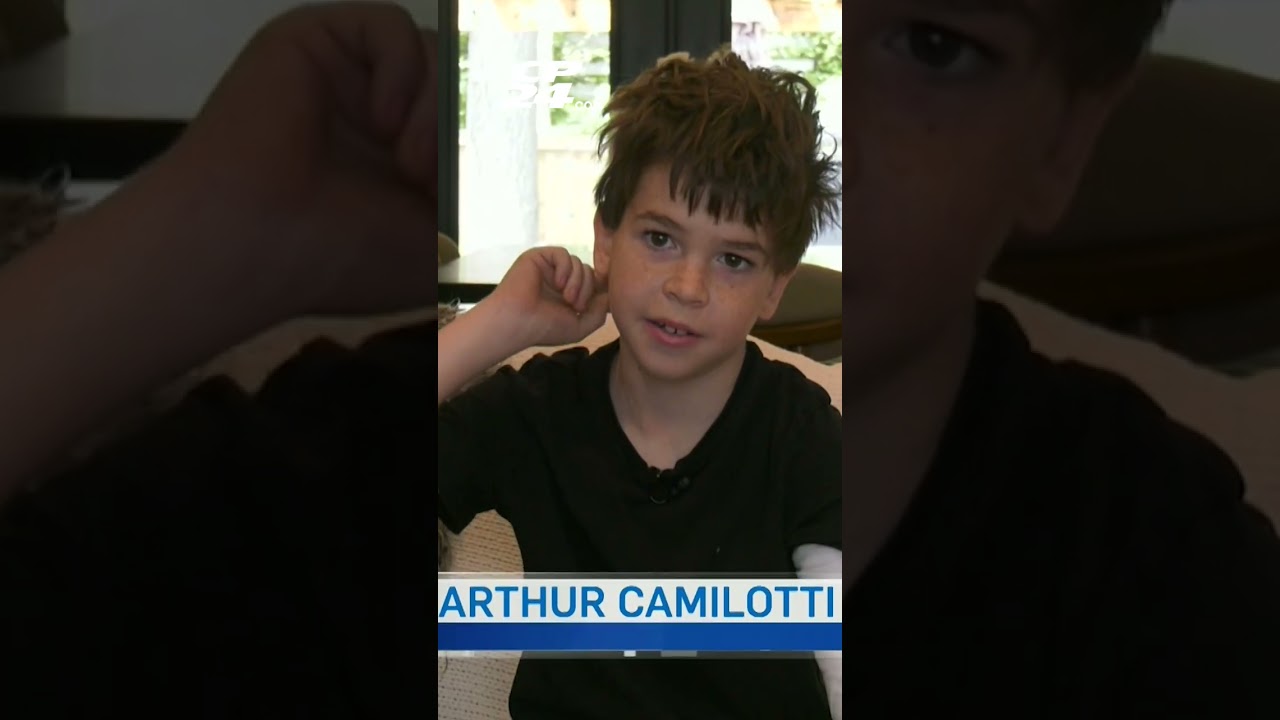
A Young Boy’s Harrowing Encounter: The Reality of Dog Attacks
In a tragic incident in Barrie, Ontario, an 11-year-old boy is reflecting on a terrifying experience that has left him with severe injuries and psychological scars. The boy, who was simply riding his scooter on his way to school, became the target of a loose dog that altered the course of his day—and potentially his life.
The boy recounted the moment the dog lunged at him. "He got me on my head at the back, and he got me over here on my leg,” he said, his voice trembling as he replayed the nightmare. As fear gripped him, he attempted to escape, only to find himself caught in a brutal attack. “I honestly thought I was going to die," he continued. "I felt my arm was about to rip out of my body. It was horrible.” Such graphic descriptions highlight not only the physical pain he endured but also the visceral fear that threatened to overwhelm him.
The attack was swift and brutal. The dog targeted his arm and leg, dragging him to the ground. Fortunately, a bystander witnessed the horrifying scene and rushed to assist the boy. His timely intervention likely prevented even more severe consequences. The aftermath of the encounter involved a three-hour surgery, hundreds of stitches, and a four-day hospital stay. This young child, whose daily routine includes innocent rides to school, is now faced with the daunting task of recovery.
In the wake of this traumatic event, local authorities were proactive. Police launched an extensive search for the dog involved in the attack, emphasizing the seriousness of the situation and the potential threat to the community. Days later, the dog was spotted. However, the resolution of the situation met with further controversy when the animal was ultimately shot by an officer during an attempt to capture it.
The incident raises crucial questions about public safety, responsible pet ownership, and community awareness. The boy’s experience is not just a personal tragedy; it serves as a stark reminder of the potential dangers posed by improperly controlled animals. While many dogs are beloved companions, there remain those that can pose a genuine risk to the public if not managed effectively.
The effects of such an experience extend beyond the physical. The boy, like many who have suffered similar misfortunes, will likely deal with lingering psychological scars. Trauma from violent encounters, especially when one’s sense of safety is shattered, can lead to long-term emotional struggles. Healing from this experience will require not only physical recovery but also mental and emotional support.
As communities grapple with the implications of dog attacks, it is essential to address the responsibilities that come with pet ownership. Owners must ensure their dogs are adequately trained, socialized, and controlled at all times. Additionally, communities might benefit from reevaluating local dog laws to prevent incidents like this in the future. Public education campaigns could further raise awareness about responsible pet ownership and provide guidance on how to react when threatened by a dog.
This boy’s story is a chilling reminder of how quickly normalcy can turn to horror. The resilience he exhibits by speaking out about his experience can serve as an important catalyst for change. It inspires conversations around safety practices and encourages others to advocate for responsible pet ownership.
As he begins the long journey to recovery, the community rallies around him, hopeful that his story will lead to both personal healing and broader changes that protect other children from similar fates. While he may never fully erase the memories of this brutal attack, he has the chance to become a voice for safety, one that underscores the importance of vigilance and compassion in our interactions with both animals and one another.