Freedom of the Press Under Siege: The Arrest of Don Lemon and Georgia Fort
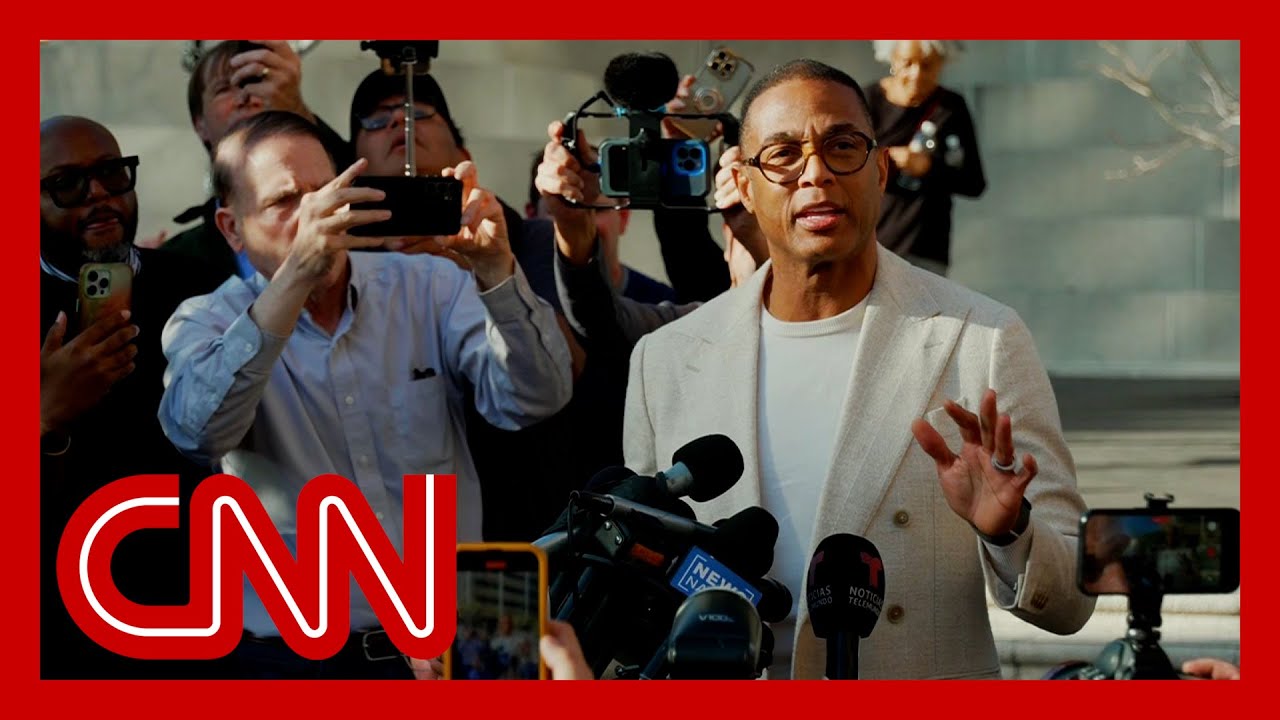
In a startling development that raises significant questions about the state of journalism in the United States, former CNN anchor Don Lemon appeared in federal court today to face charges stemming from his coverage of a protest outside a church service in St. Paul, Minnesota. Alongside him were three other individuals, including independent journalist Georgia Fort, who gained national attention after being arrested by federal agents amid her live reporting. Their cases have sparked widespread debate about First Amendment rights and the role of journalists in society.
Lemon’s sudden detainment reflects a tense climate for reporters. In a statement to the press after the hearing, he asserted, "The DOJ sent a team of federal agents to arrest me in the middle of the night for something that I’ve been doing for the last 30 years." He emphasized the protection that the First Amendment affords not just to him but to all journalists engaged in the critical work of news reporting. “I stand with all of them and I will not be silent,” he proclaimed, expressing his intention to fight the charges vigorously.
The government’s actions have been characterized by Attorney General Pam Bondi as a "coordinated attack" in response to an incident at the church that allegedly disrupted a place of worship. Bondi’s comments have been met with skepticism. Lemon and Fort maintain they were simply doing their jobs as journalists—not participating in the protests, but documenting them. The charges against them include conspiracy against religious freedom and interference with the right to worship, raising serious concerns about the interpretation of their actions during the protest.
Interestingly, Bondi’s use of the phrase "at my direction" when announcing the arrests shifts the narrative from standard judicial procedure to one that appears politically motivated. The White House further fueled controversial sentiment with a social media post featuring an image of Lemon accompanied by the phrase "When life gives you lemons." This perception of targeted hostility is not lost on Lemon, who has clashed with President Trump in the past.
Legal complications ensued when a magistrate judge initially blocked the federal authorities from arresting Lemon. However, the case proceeded to a grand jury, culminating in a felony indictment that accused Lemon and his fellow journalists of threatening and intimidating church congregants. It seems the prosecution aims to categorically redefine the nature of their work, labeling it as an act of oppression rather than professional journalism.
Georgia Fort’s experience encapsulates the fear and confusion that many journalists are currently facing. As federal agents arrived at her home, she began to record the encounter, immediately informing her audience, “I wanted to alert the public that agents are at my door right now.” This moment highlights the alarming reality where journalists find themselves not only covering news but also becoming newsworthy subjects of arrest.
In an interview following her release, Fort expressed the taxing emotional toll of her experience, particularly with her children present during the agents’ arrival. “It is frightening to have two dozen agents outside of your home," she stated. When asked about the Justice Department’s allegations that she and the others engaged in a "coordinated takeover style attack," she firmly maintained her stance as a journalist. “I documented as a journalist. The footage speaks for itself,” she asserted, underlining the crucial role of media in documenting events.
Both Lemon and Fort’s situations expose a troubling trend: an attempt to chill the freedom of the press. As Fort poignantly noted, “if they can criminalize a journalist…this is just going to continue to escalate.” Her statement encapsulates the broader implications of this incident—an unsettling message to all journalists that their work might not only be scrutinized but also punished.
In an era when misinformation proliferates and journalistic integrity often comes under fire, the arrest of Lemon and Fort serves as a potent reminder of the fragility of First Amendment rights. The chilling effect on current and future journalists cannot be understated. As Lemon and Fort prepare to fight their cases, their struggle underscores the vital need for robust media protections, emphasizing that the role of journalism in a democratic society is not to be underestimated or undermined.