Unpacking the Arrest of Nikima Williams: A Protest Escalation Caught on Camera
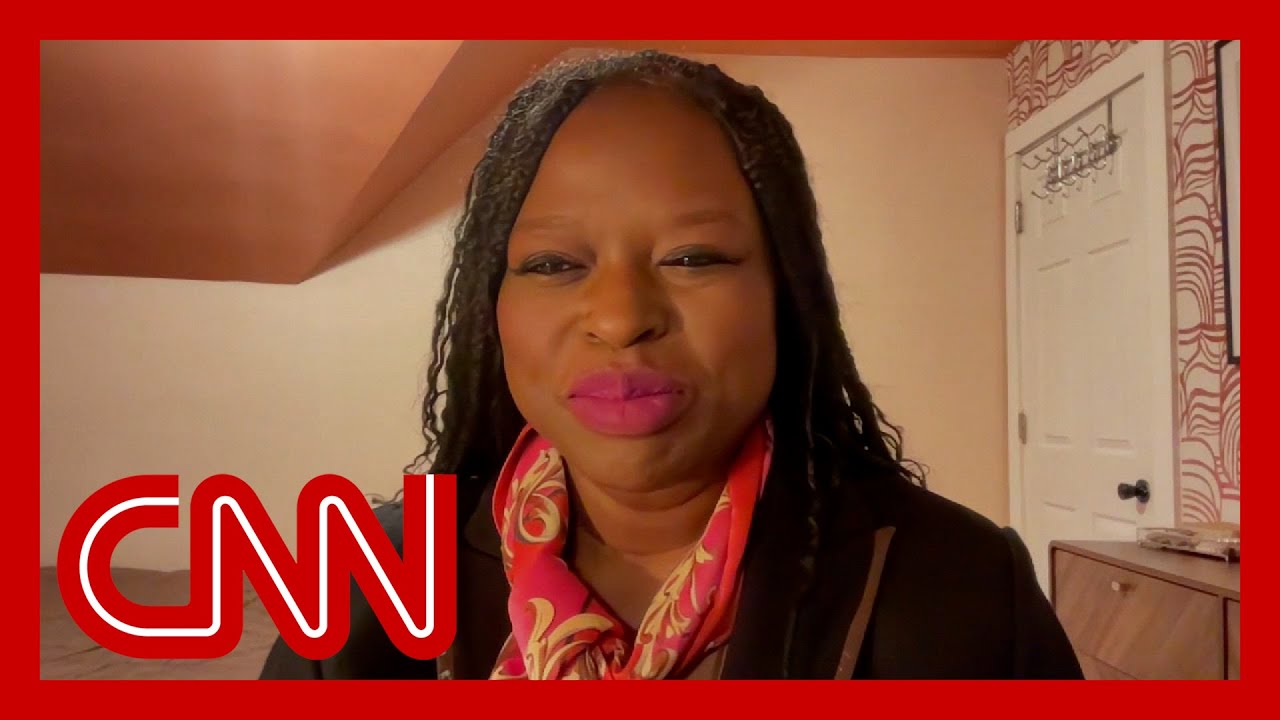
The recent arrest of Nikima Williams, known for her vocal protests against Immigration and Customs Enforcement (ICE), has ignited a debate over law enforcement’s conduct in managing peaceful demonstrations. Williams was taken into custody under contentious circumstances that raise significant questions about not just the motives behind her arrest but also the broader implications of surveillance and recording during confrontations between civilians and authorities.
On the day of her arrest, Williams had been staying at a Minneapolis hotel, aware that federal agents might be monitoring her activities. Efforts were made to ascertain if there was an existing arrest warrant. Yet, despite her willingness to surrender peacefully—only eight minutes away from the federal courthouse—FBI agents approached her like she was a fugitive. The situation escalated unnecessarily, leading to a physical confrontation involving an agent mistakenly attacking one of her friends.
The FBI’s tactics during this operation were baffling. Surveillance at a hotel, excessive manpower, and aggressive arrest protocols were employed as if they were dealing with violent criminals. Instead, Williams and her co-defendants were merely advocates for change, engaged in nonviolent protest. This heavy-handed approach starkly contrasts with the fact that real accountability for violent offenses, such as the alleged killing of a community member by an ICE agent, remains absent.
When Williams questioned the recording of her arrest—pointing out that this might be intended for propaganda rather than procedural documentation—a significant aspect of her mistreatment became evident. Law enforcement’s choice to film raises ethical considerations. The agents’ intent seems to be to capture the narrative, transforming a protester into an object of ridicule and manipulation. “I don’t want to be a trophy for MAGA,” Williams firmly stated, encapsulating the activist’s awareness of how her image would be used in political fodder.
Footage from her arrest shows Williams maintaining a calm demeanor, raising further questions about how authorities framed the narrative. The Department of Homeland Security essentially perpetuated a false portrayal of her emotional state post-arrest by releasing a digitally altered image designed to elicit sympathy. This manipulation of public perception reflects a troubling trend within government institutions, showcasing an alarming willingness to control narratives through misleading means.
Despite her calmness, Williams’ comments reveal a deep frustration with systemic inequities where law enforcement appears to reserve heavy resources to monitor and arrest activists while failing to address ongoing injustices faced by marginalized communities. She contrasts her experience with that of Jonathan Ross, the ICE agent implicated in the death of a local resident. Williams argues convincingly that resources should be allocated toward holding accountable those who commit violent acts rather than targeting individuals who stand against such brutality.
Moreover, her treatment in custody raises serious ethical questions. The use of shackles and chains during transportation sends a clear message regarding how the system views nonviolent activists—equating them to dangerous criminals. Williams’ description of the experience evokes historical parallels, likening the treatment to that of slaves, evoking a visceral understanding of the humiliation and degradation felt by those subjected to excessive force and surveillance.
In a timely response to claims from authorities that Williams and her accomplices disrupted a church service and terrorized parishioners, she provides a counter-narrative. She asserts that the intent of their visit was to initiate a discussion about ICE’s presence in a place of worship—an uncomfortable dialogue for many, but necessary nonetheless. The disparity between official accounts and Williams’ testimony highlights the intimidation tactics used by law enforcement to suppress dissent.
In essence, Nikima Williams’ arrest is not merely about one individual’s confrontation with the law; it reflects a broader struggle against systemic oppression and the lengths authorities might go to silence outspoken advocates. It poses profound ethical questions surrounding surveillance, the portrayal of activists in media narratives, and the fundamental rights of citizens to protest peacefully. The implications of this incident could be far-reaching, serving as a pivotal moment in the ongoing dialogue about civil liberties, accountability, and justice in America.