Escalation of Hostilities: U.S.-Iran Tensions Erupt in Regional Conflict
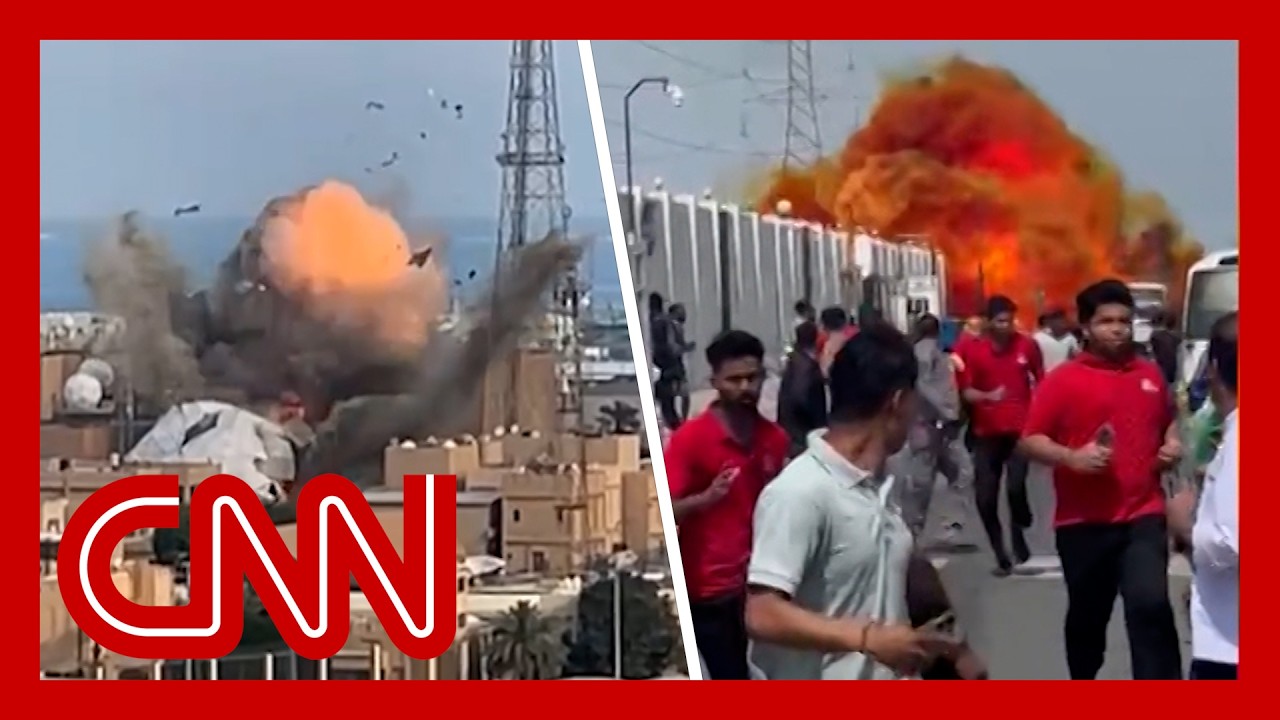
As missiles rain down on various locations across the Middle East, the volatility of the situation grows ever more acute. Recent attacks, including a fragment landing in Doha, Qatar, serve as a stark reminder of the escalating conflict. This surge in hostilities follows a substantial military campaign initiated by the United States and Israel targeting Iranian nuclear facilities, provoking a fierce Iranian retaliation that has reverberated throughout the region.
From U.S. embassies advising Americans to shelter in place to the urgent call for citizens to evacuate Lebanon, the geopolitical landscape appears increasingly fraught with danger. The seriousness of the situation became even more apparent as live reports from CNN’s Paula Hancocks revealed continuous explosions in Abu Dhabi, indicating missile interceptions in real-time. The United Arab Emirates’ Ministry of Defense confirmed that while many missiles were thwarted, one individual lost their life due to falling debris. This tragic loss underscores the dangers facing civilians caught in conflict zones.
As the Gulf nations brace for impact, shelters are now filled with anxious residents. Air traffic across the region has been largely suspended, and military bases, particularly those housing the U.S. Navy’s Fifth Fleet in Bahrain and other strategic sites, have been directly targeted. Regional leaders, including those from Saudi Arabia and Kuwait, have voiced their condemnation of the Iranian attacks, characterizing them as blatant infringements of national sovereignty. Their statements reflect a mix of anger and alarm, revealing deep-seated concerns about becoming further embroiled in a conflict that many had hoped to avoid.
Reports indicate that the missile threat is not limited to isolated incidents; it appears to involve organized and sustained engagement. The sound of sirens in Israel has become a grim backdrop for life as citizens rush to shelters multiple times each day. Former U.S. ambassador to Israel, Daniel Shapiro, described the erratic nature of the missile strikes, which may target military installations but often threaten civilian areas due to their lack of precision.
Israeli defense systems, such as the Iron Dome and other advanced air defenses, are facing unprecedented challenges. The introduction of swarms of drones complicates an already tense scenario, as traditional countermeasures may struggle to cope with the scale of such attacks. Military assessments are underway to determine the efficacy of these systems against a barrage that could number in the hundreds, if not thousands. The urgency of the situation raises critical questions about military preparedness and strategic foresight.
Adding layers of complexity to the current crisis is the potential implication for regime change in Iran. Many experts suggest that U.S. airstrikes alone cannot dismantle the current regime. Effective change would rely on internal Iranian movements—an unstable proposition, given the presence of varied factions and the strong grip of the Revolutionary Guard Corps. The scenario could lead to a chaotic struggle for power that lacks the support of a unified opposition.
The U.S. administration’s recent decisions appear rushed, with citizens caught off guard by the escalating conflict. Clarity around the strategy and objectives has been significantly lacking. This has led to a palpable sense of uncertainty among the public, who grapple with the implications of the U.S.’s military engagement in the Middle East.
In summary, the current state of affairs in the Gulf region is dire. The Iranian response to U.S. and Israeli military campaigns has shifted the balance of power and raised fears of a broader conflict. As rivalries deepen and stakes escalate, the international community watches with bated breath. The fragile fabric of geopolitics, once held together by cautious diplomacy, is now under severe strain. Whether this tension can resolve without igniting a larger conflagration remains to be seen.