Escalation in the Middle East: Israel and Iran’s Renewed Strikes
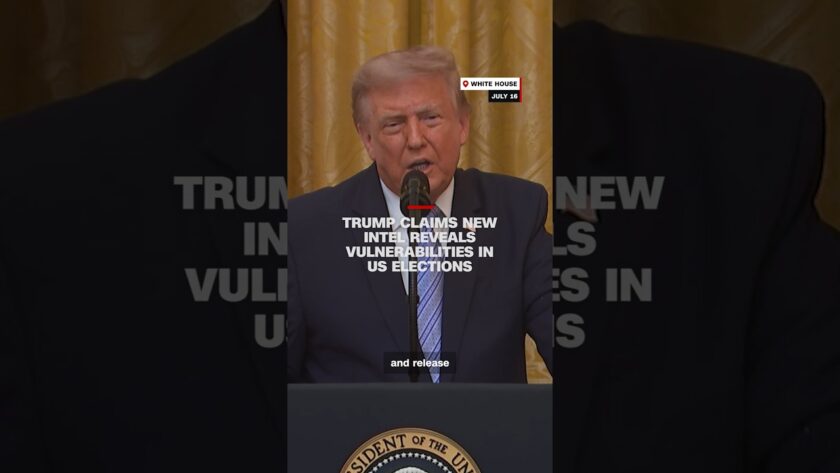
In recent days, tensions between Israel and Iran have escalated dramatically, marked by a series of missile strikes that threaten to destabilize an already volatile region. This latest round of hostilities poses a significant challenge to diplomatic efforts spearheaded by the U.S., particularly those underscored by President Trump’s recent remarks suggesting an imminent conclusion to ongoing negotiations.
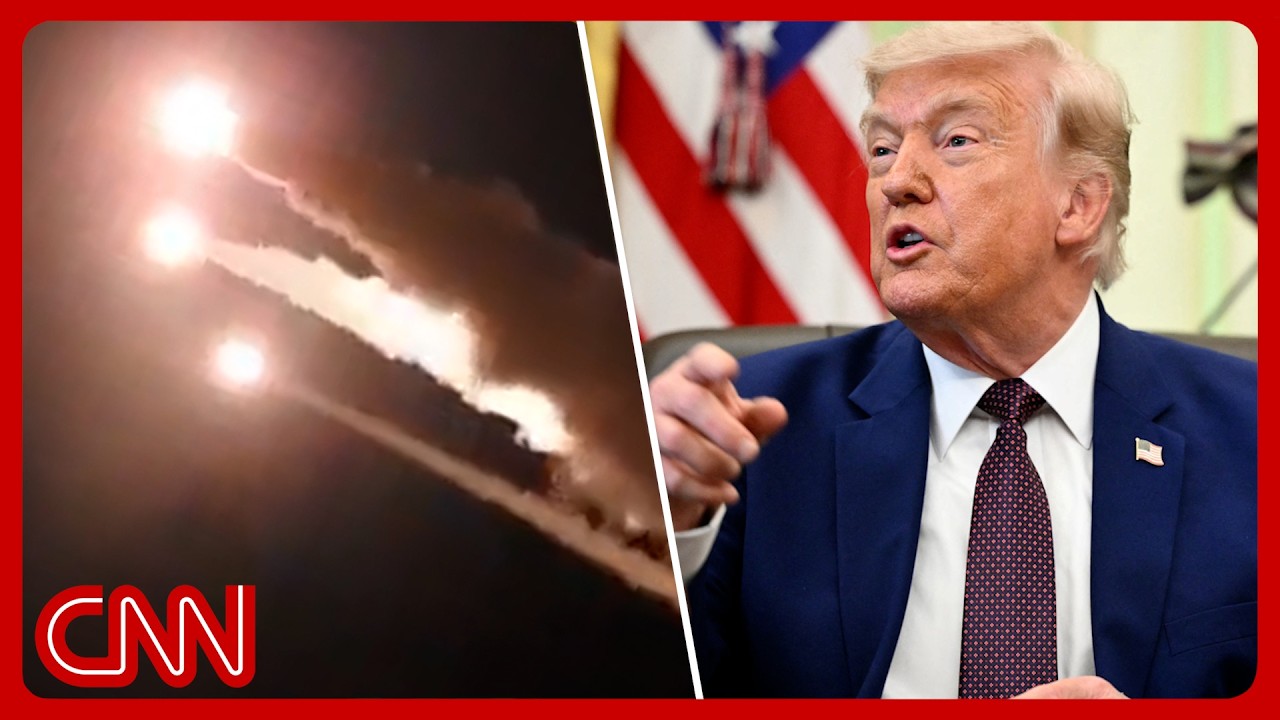
The situation erupted anew early this morning when Iran launched approximately 30 ballistic missiles toward Israel, targeting key military installations. These strikes represent Iran’s retaliation following Israeli airstrikes on an Iranian petrochemical facility, which the Israeli Defense Forces (IDF) claim was utilized for military purposes. The implications of this escalation are manifold, reflecting the complex interplay of military capabilities and geopolitical strategies in the region.
Strategic Responses
Both Israel and Iran have indicated a readiness for prolonged conflict. An Israeli military official stated that the nation is bracing for several days of intensive fighting, informed by the rapid succession of missile barrages from Iran. Simultaneously, Iranian officials express their own preparedness, signaling a potential commitment to an extended military engagement. This reciprocal escalation underscores a troubling shift in the regional security landscape, as both sides appear willing to engage in a sustained offensive.
As Israel continues its airstrikes—targeting not only military facilities but also sites integral to Iran’s energy sector—the risk of conflict widening becomes increasingly tangible. Analysts warn that if Iranian strikes begin to target energy infrastructure in the Gulf region, global oil markets could face severe disruptions, exacerbating economic tensions worldwide.
Implications for Peace Efforts
The U.S. stands at a crucial crossroads in addressing this conflict. Despite President Trump’s efforts to curtail the hostilities through social media declarations calling for an immediate ceasefire, he faces significant challenges in exerting control over both Israeli and Iranian actions. Trump’s previous interventions have had limited success in calming regional tensions, raising questions about the efficacy of American diplomatic influence.
Iran’s Foreign Ministry has explicitly attributed responsibility for escalating violence to the United States, further complicating diplomatic overtures. Tehran’s insistence that any military actions by Israel are inherently linked to U.S. support signifies the importance of American engagement—or lack thereof—in shaping the security dynamics of the Middle East.
Regional Alliances and Threats
The growing involvement of proxy groups adds an additional layer of complexity. Notably, the Houthis in Yemen have shown support for Iran by launching missiles toward Israel, suggesting a broader coalition may be forming against Israeli interests. This aligns with Iran’s strategy of utilizing regional allies to counteract Israeli actions, underscoring a multifaceted approach to deterrence and retaliation.
With geopolitical stakes high and mutual retaliatory actions escalating, the potential for a wider conflict looms large. Military analysts suggest that if strikes continue unabated, they could disrupt vital shipping routes in the Red Sea and Strait of Hormuz, crucial chokepoints for global oil transportation. Such disruptions would have immediate repercussions for global markets, triggering economic repercussions that could extend well beyond the Middle East.
Conclusion
As the situation develops, it is crucial for all parties involved to exercise restraint. Diplomatic channels must remain open even as the rhetoric intensifies. The U.S. must navigate its position carefully, balancing its support for Israel with necessary dialogue with Iran. Failure to manage these tensions could lead to an escalation that not only destabilizes the region but also reverberates across the global stage. Thus, the current conflict serves as a critical juncture for international relations, one that underscores the urgent need for a renewed commitment to peace and stability in the Middle East.