The Complex Landscape of U.S.-Iran Relations: Insights from Robert Malley
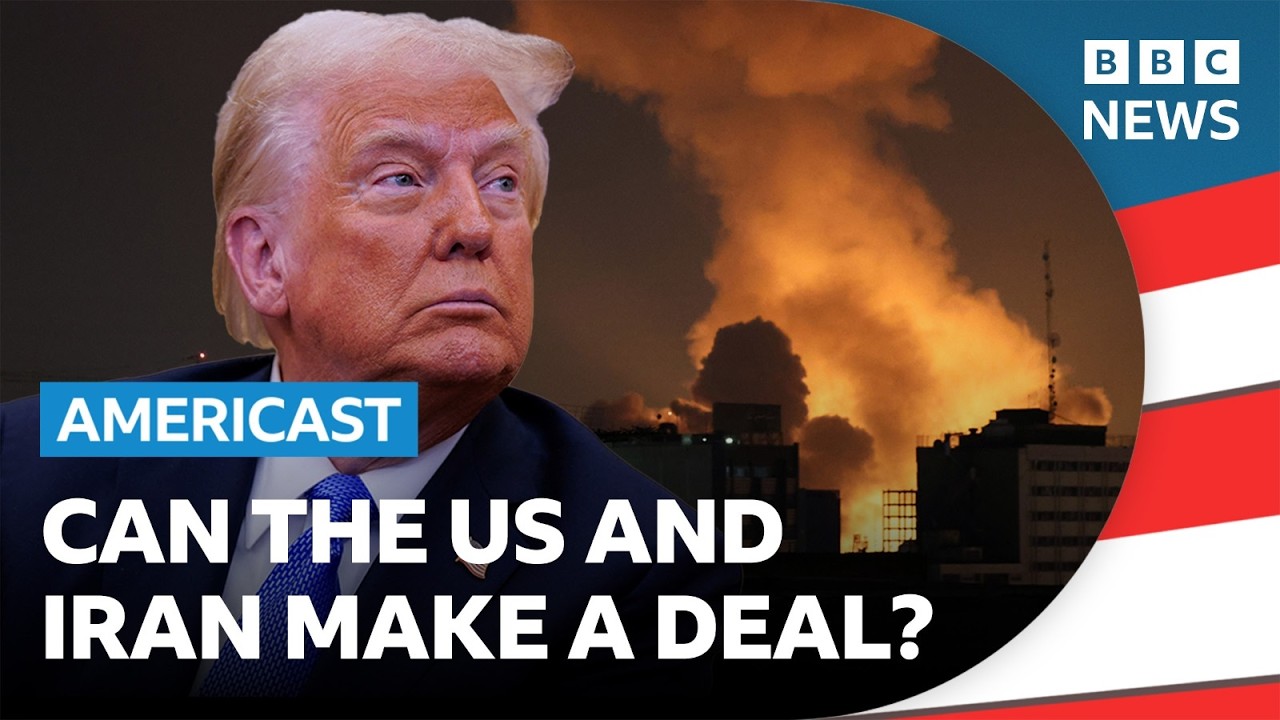
In the unfolding complexities of U.S.-Iran relations, many Americans find themselves astonished to learn that their nation is at war with Iran. This conflict has already claimed lives of American service members and sparked a wave of public questioning: Why was this war deemed necessary, especially at this juncture? What are the overarching goals of the United States, and how long will this military engagement last? These questions loom large at a time when U.S. Defense Secretary Lloyd Austin suggests that we are only at the beginning of this conflict.
To shed light on these pressing issues, we turn to Robert Malley, a seasoned negotiator with firsthand experience in diplomatic dealings with Iran. As the U.S. Special Envoy to Iran under the Biden administration and a lead negotiator of the 2015 nuclear deal, Malley’s insights provide valuable context.
Malley emphasizes the ideological complexity of the Iranian regime. His discussions with Iranian negotiators highlighted their duplicity; the officials presented options and later retracted them, seemingly stalling to gain time. While some might question their good faith, Malley contends that they managed to negotiate a deal that, at its core, was adhered to during its execution.
Critics often argue that Iran’s leadership has consistently backtracked from agreements, portraying them as untrustworthy. However, Malley suggests that while Iranian negotiators did stretch conversations, the end result—the Joint Comprehensive Plan of Action (JCPOA)—was respected until the U.S. withdrawal under President Trump. Even skeptical analysts acknowledged that Iran complied with its terms in the years that followed, casting doubt on claims of imminent nuclear threats.
Looking back, Malley reflects on the balance struck during the negotiations. While he admits that the deal could have incorporated stronger provisions, its primary goal—to push Iran’s nuclear ambitions back by at least a decade—was achieved. The Trump administration’s maximalist strategy, which involved withdrawing from the agreement, led to an accelerated development of Iran’s nuclear program, a trajectory that starkly contrasts the controlled environment established by the JCPOA.
The current military campaign raises significant questions about the feasibility of future negotiations. With the United States engaged in military operations, Malley implies that meaningful dialogue with Iran, particularly after the intense airstrikes and loss of life, seems less likely. The prevailing atmosphere of fear and retaliation complicates the possibility of constructive negotiations.
Acknowledging the unique unpredictability associated with Donald Trump, Malley opines that this characteristic could have lent itself to enhancing American leverage in diplomatic negotiations. However, he also argues that engaging in conversation under the shadows of war mitigates the likelihood of a resolution.
As the conflict unfolds, a critical factor lies in the perception of American motives. Historically perceived as the "Great Satan," the U.S. has long been viewed with suspicion by Iranian leadership. Each administration—from Obama to Biden to Trump—has faced challenges in recalibrating this image. Notably, Malley posits that the Trump administration could have presented an opportunity for an agreement, given the perceived durability of such an arrangement amidst his unpredictability.
Ultimately, the present situation presents a paradox. Engaging with Iran could lead to a more stable outcome for the U.S. and its allies, yet the pathway there is obscured by hostility and militaristic posturing. Military campaigns may galvanize short-term objectives but often sow long-term discord.
The fallout from this military engagement will be felt for years to come. The implications of military intervention in Iran could result in not only regional instability but also a deepening cycle of violence. Thousands of innocent lives hang in the balance, making it vital for leaders to reassess their approaches and consider avenues for dialogue, even when ideologies clash.
In summary, as the military campaign against Iran progresses, understanding the nuanced landscape of negotiation and trust is crucial. The lessons drawn from past dealings, as illuminated by Malley’s insights, offer valuable wisdom for charting a sustainable course amid the storm of geopolitical risk.