Analyzing Trump’s Recent Actions on Iran and Electoral Integrity
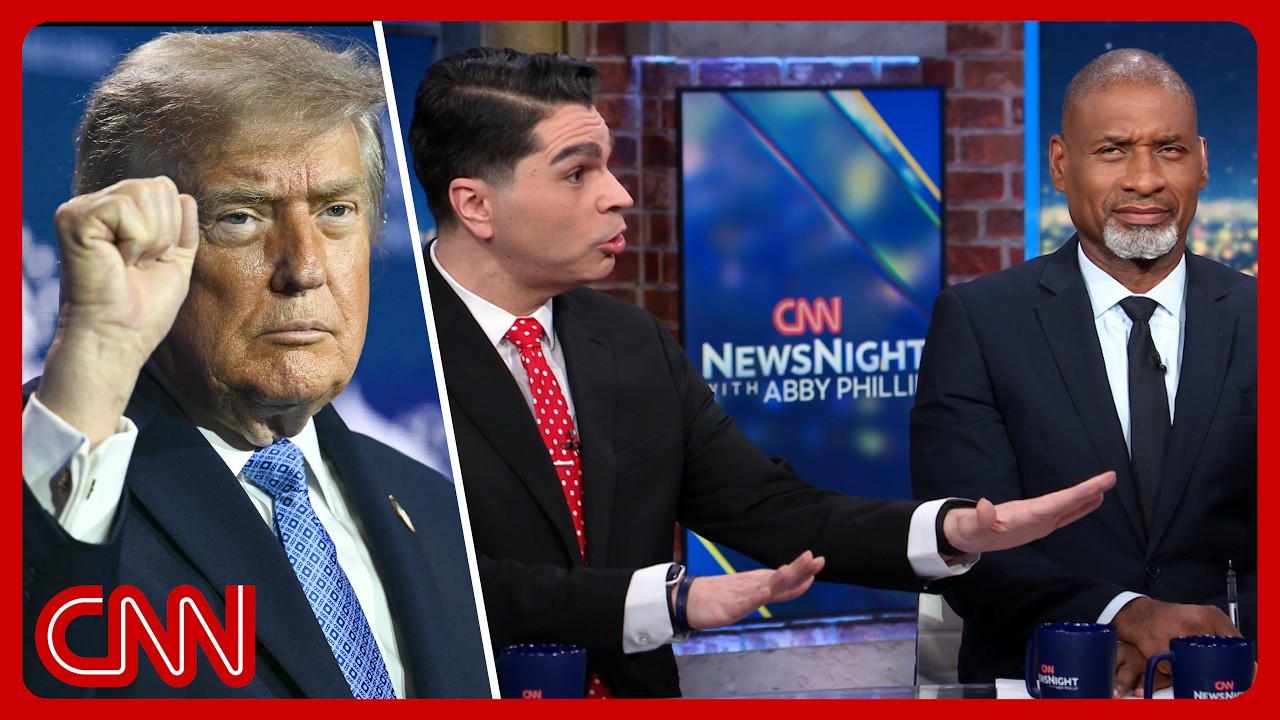
In a significant announcement today, former President Donald Trump declared the lifting of sanctions on Iranian oil imports for the next 60 days. This marks a notable shift in U.S. policy, allowing oil to flow from Iran into the domestic market for the first time in decades. Critics have voiced skepticism, citing Iran’s history of violating treaties and its ongoing support of terror groups like Hezbollah, which continues to provoke tensions with Israel.
The geopolitical landscape is fraught with complexities, particularly with the operations of Hezbollah instigating hostilities from Lebanon. As commentators emphasize, the absence of a comprehensive nuclear agreement is concerning. The Joint Comprehensive Plan of Action (JCPOA), which governed Iran’s nuclear activities, featured clauses that expired after 10-15 years. Trump’s decision to forgo these discussions means there are no nuclear commitments currently binding on Iran—a troubling reality in the eyes of foreign policy experts.
Drawing comparisons between the current scenario and the Obama administration’s approach to Iran is questionable. Some argue that Trump’s concessions may be misconstrued as a constructive peace strategy. However, many conservatives express unease about this approach, viewing it as a dangerous deviation from previous policies. Trump himself has previously criticized the Obama-era deal, claiming it was "a one-sided transaction" that enriched Iran without corresponding concessions.
The implications of lifting sanctions are far-reaching. Critics argue that increased funds to Iran will likely bolster its military capabilities, particularly concerning missile programs that Trump himself had highlighted as significant threats. While supporters of the sanctions relief suggest it might lead to negotiations, opponents remain skeptical, asserting that this financial influx could fund terrorist activities and destabilizing actions in the Middle East.
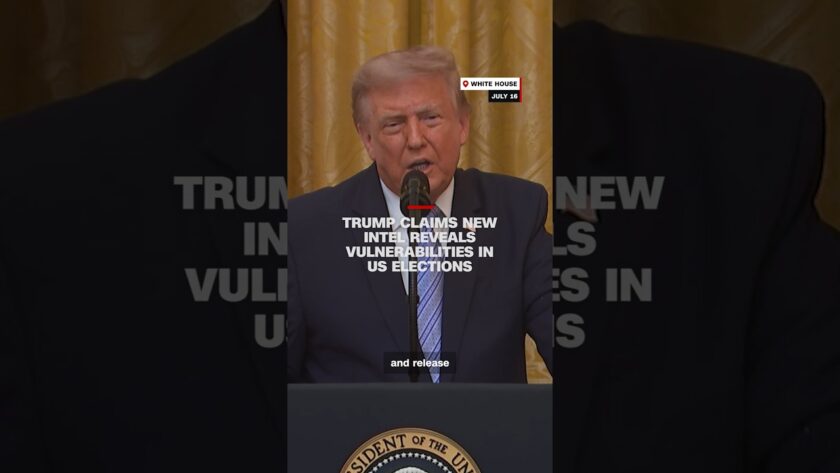
Moreover, the context of these discussions is deeply intertwined with perceptions of electoral integrity in the U.S. Trump has sparked controversy by suggesting interference in California’s elections, alleging fraud without providing substantial evidence. The former president’s allegations further intensify the sensational narrative surrounding electoral legitimacy, wherein accusations of rigged outcomes have become commonplace after losses—a pattern repeated since the 2020 election.
The ramifications of Trump’s rhetoric extend beyond mere political banter; they undermine public confidence in electoral processes. Critics highlight that sowing doubts about election integrity does more damage than the slow counting of ballots in states like California, which operate within legal frameworks. The insistence on swift results often clashes with the need for accuracy, particularly in a state with a large population.
Trump’s sudden withdrawal from a bipartisan housing affordability bill—one heralded as historic—illustrates a troubling trend of prioritizing personal agendas over collective benefits. The decision appears to be a tantrum against party colleagues who have resisted his influence on Iran and election matters. This not only misses an opportunity for a political win but also alienates moderate voters, who are increasingly frustrated with indecision and infighting within the Republican Party.
Amidst these developments, there is a palpable tension between progressive and moderate factions within the Democratic Party. The recent successes of progressive candidates complicate existing dynamics, leading moderates to fear that their platform may be overshadowed. The grounding of these electoral battles is rooted in public sentiment around healthcare, housing, and corporate accountability, areas where progressives have proposed aggressive policies.
In summary, the unfolding narratives surrounding Iran’s nuclear capabilities and the integrity of U.S. elections are intricately linked. Trump’s policies invite criticism that could reshape American foreign and domestic policy landscapes. As the nation heads toward major elections, the outcome will not only reflect voter sentiment but may also determine the future direction of governance, influencing both domestic policy and international diplomacy significantly.
Ultimately, public discourse needs to focus on transparent governance, accountability, and constructive debate rather than the spectacle of political theater. The stakes are too high for mere partisan expediency.