Heightened Tensions in the Middle East: A Response to Escalating Strikes
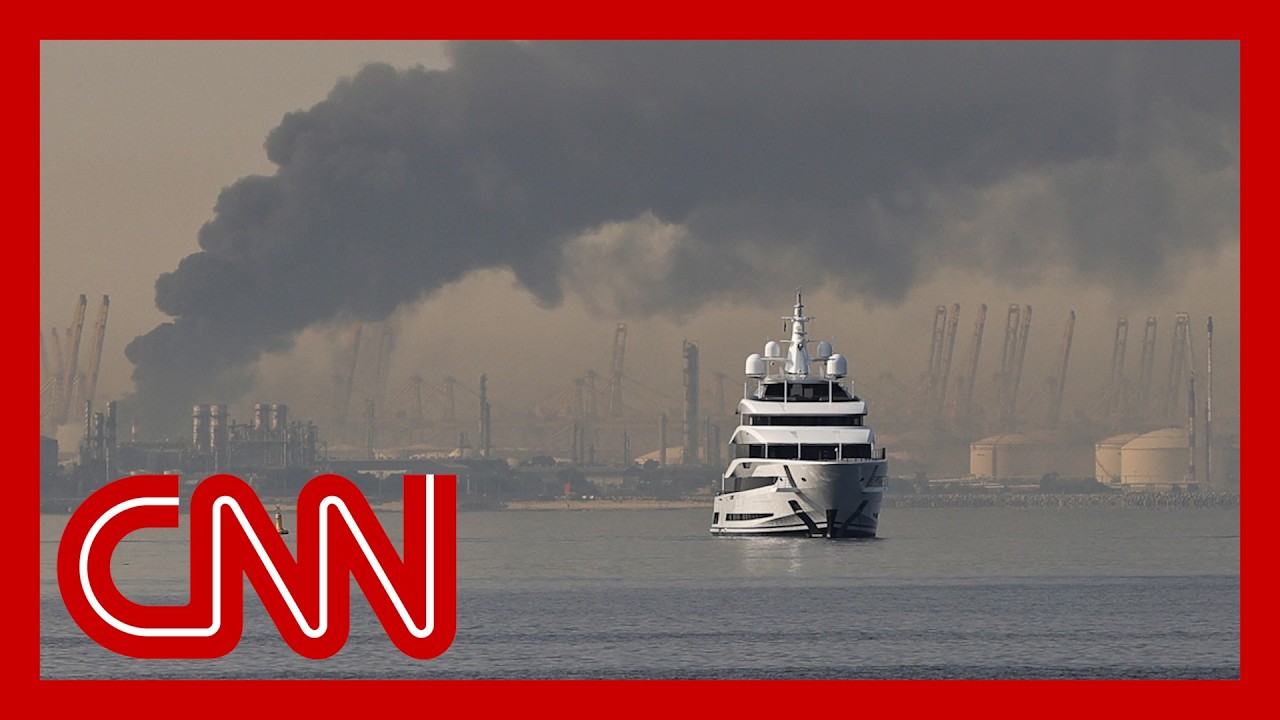
Overnight, chaos erupted at Dubai International Airport as the landscape of regional stability shifted dramatically. Alarm sirens echoed throughout the city, punctuating a night marked by panic and uncertainty. This was not just a local incident; it reflected a broader geopolitical crisis, as missile and drone strikes targeted not only luxury hotels on Palm Jumeirah but also military bases across Gulf nations. With Iran asserting its military capabilities in retaliation against perceived aggressions, the implications reach far beyond the borders of the United Arab Emirates (UAE).
Iran’s strategy seems to have escalated significantly. In the past 36 hours, reports indicate that over 137 missiles and more than 200 drones have been intercepted by the advanced defense systems operating in the UAE. The scale of these attacks is unprecedented for a region that has long prided itself on its relative security and stability. The strikes targeting Dubai—a global commerce hub—are particularly alarming, signaling a shift in how conflicts are now perceived in the region. For many residents accustomed to safety, the night was surreal, with civilians rushing to parking lots to escape the invisible threat looming above.
Paula Hancocks from CNN, stationed in Dubai, provided a stark overview of the escalating tensions. The regional response has been marked by anger and vehement condemnation from various Gulf nations. Despite vocal attempts to distance themselves from hosting U.S. military bases, these states find themselves entangled in a conflict that they hoped to preclude through diplomacy. Senior officials have been vocal about their opposition to military escalation, yet the reality on the ground reflects a different story—a situation that is anything but under control.
Reem bint Ibrahim Al Hashimi, the UAE’s Minister of State for International Cooperation, emphasized the gravity of the situation when she stated that the UAE was prepared for continued military confrontations. While acknowledging the sophisticated defense mechanisms in place, she also expressed concern about the new level of aggression from Iran. "This is something we do not accept," she said, underscoring the commitment of UAE officials to safeguard their infrastructure and citizens.
In Qatar, the situation mirrors that of the UAE. Bijan Hassan from CNN reported that civil defense units were activated following intercepted missiles, with debris causing fires in industrial areas. The Qatari government has responded by issuing emergency alerts instructing residents to remain indoors. All schools and public events have been canceled, creating a surreal atmosphere in a region typically marked by activity and vibrancy.
The implications of these military actions expand beyond mere territorial skirmishes. Analysts suggest that these strikes are not merely retaliatory; they point to a broader strategy by Iran to assert its dominance in the region. By targeting U.S. bases and Gulf infrastructure, Iran aims to send a clear message: it will not remain passive in the face of perceived aggression.
The underlying question remains: how will Gulf states respond? Despite their assertive language, specific retaliatory strategies have yet to be disclosed. Officials have made it clear that they reserve the right to retaliate but seem reluctant to escalate tensions further. One Emirati official remarkably noted, “We will not just sit idly by,” but the exact nature of the response appears still in flux.
As chaos unfolds, leaders in the region are urged to pursue diplomatic avenues for de-escalation. The global community watches with bated breath, hoping the situation doesn’t spiral into a more profound conflict. While panic and chaos have dominated the recent narrative, the resilience of the Gulf nations, combined with international solidarity, could serve as critical factors in revisiting dialogue and diplomacy. The unfolding events in this key region of the world demand both careful observation and thoughtful responses from local leaders and the broader international community.