Geopolitical Developments in the Strait of Hormuz: A Critical Shift
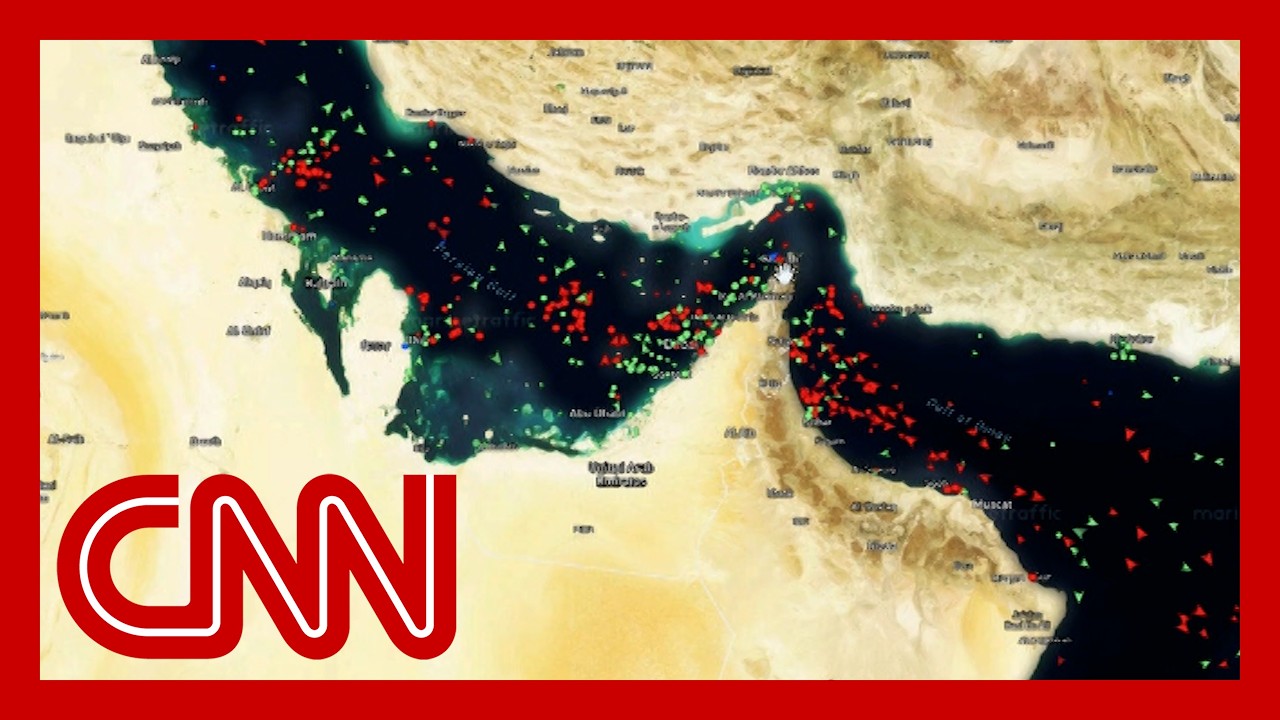
Recent statements by Iran’s Foreign Minister reveal a significant shift in the geopolitical landscape surrounding the Strait of Hormuz, a crucial corridor for global commerce. Amid ongoing negotiations for a ceasefire that might reshape regional dynamics, Iran has announced the strait is open to all commercial vessels. This announcement coincides with ongoing discussions, mediated by Pakistan, regarding broader relations between the United States and Iran.
The Foreign Minister’s declaration includes a stipulation that all commercial vessels can navigate through the strait in line with pre-established routes. This move marks a pivotal moment in talks aimed at ensuring safe passage through this vital waterway, which has been the epicenter of tensions in the region for years. Analysts suggest that this development is a direct outcome of the ceasefire brokered in Lebanon, which appears to have further influenced Iran’s willingness to engage in dialogue.
The implications of this announcement extend beyond mere navigation rights. Reports suggest that the United States is contemplating a substantial $20 billion deal tied to the ongoing negotiations. This deal could entail the release of frozen Iranian assets in exchange for Iran scaling back its enriched uranium stockpile. Such a transaction represents a significant shift from previous U.S. policies that strictly limited Iranian access to funds.
From Islamabad, correspondent Nick Robertson emphasized the potential positive trajectory of the talks. According to sources familiar with the developments, optimism is palpable among negotiators. Iran’s removal of its blockade on the Strait of Hormuz indicates that a diplomatic thaw could be on the horizon. However, uncertainties remain. Key sticking points, particularly around the nuclear issue, continue to pose challenges. Iran’s commitment to nuclear enrichment and its intentions moving forward are crucial concerns for U.S. negotiators.
In recent sessions, Iran has sought to unlock billions in assets, requesting $8 billion during the aforementioned talks. Although U.S. officials dismissed this immediate request, the Iranian government’s push for financial support underscores their pressing needs amid ongoing economic sanctions.
The connection between the ceasefire in Lebanon and negotiations over the Strait of Hormuz illustrates the complexities of Middle Eastern geopolitics. Iran appears to have linked its maritime policies to broader regional stability and its relationship with the U.S. The announcement of the open strait is likely an attempt to leverage current discussions, hinting at a willingness to compromise in exchange for economic relief.
Simultaneously, oil markets are reacting to these developments. Reports indicate a notable drop in oil prices, with Brent crude and WTI experiencing declines exceeding 10%. Such fluctuations highlight market sensitivity to geopolitical news, reflecting concerns about supply and the impact of potential conflicts.
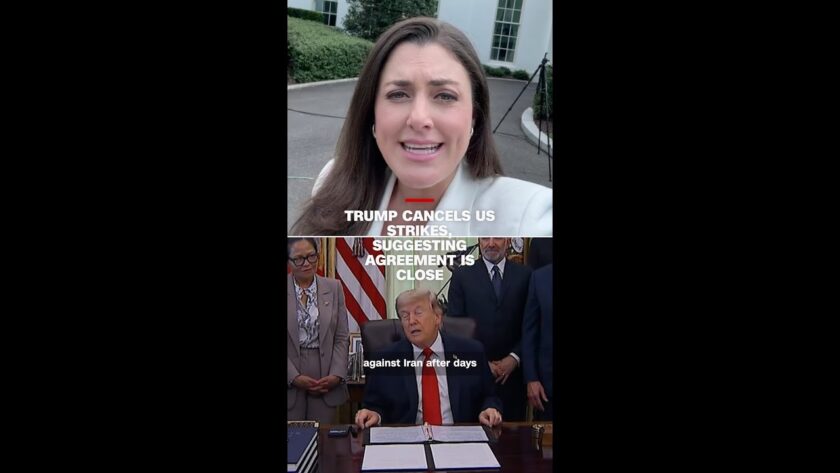
The Trump administration, while historically critical of prior agreements with Iran, seems cautiously optimistic. Conversations among officials suggest a sense of urgency to reach a deal before the ongoing ceasefire expires. The negotiations could pave the way for a full-fledged agreement, although they remain fluid and complex.
As these discussions unfold, it is important to remain vigilant about the potential for sudden shifts. While the opening of the Strait of Hormuz represents a significant step forward, it is contingent on various factors, including Iran’s concessions regarding nuclear capabilities and the U.S.’s willingness to engage in financial negotiations.
In summary, the stakes are high. The intertwining of maritime access and financial negotiations highlights the intricate dance of diplomacy in this volatile region. As talks continue and deadlines approach, both parties face critical decisions that could redefine relationships in the Middle East for years to come. The world watches closely, aware that the outcomes of these negotiations will have lasting implications not only for Iran and the U.S. but for global markets and regional stability.