Escalation in the Strait: Analyzing U.S.-Iran Tensions
This morning, U.S. Central Command (Centcom) issued a stark condemnation of Iran, labeling an alleged launch of a ballistic missile aimed at Kuwait as a "egregious ceasefire violation." This missile, however, was intercepted by Kuwaiti defense forces before it could cause any damage. Kuwait’s Ministry of Foreign Affairs has since characterized the event as a dangerous escalation, underscoring the fragile state of security in the region.
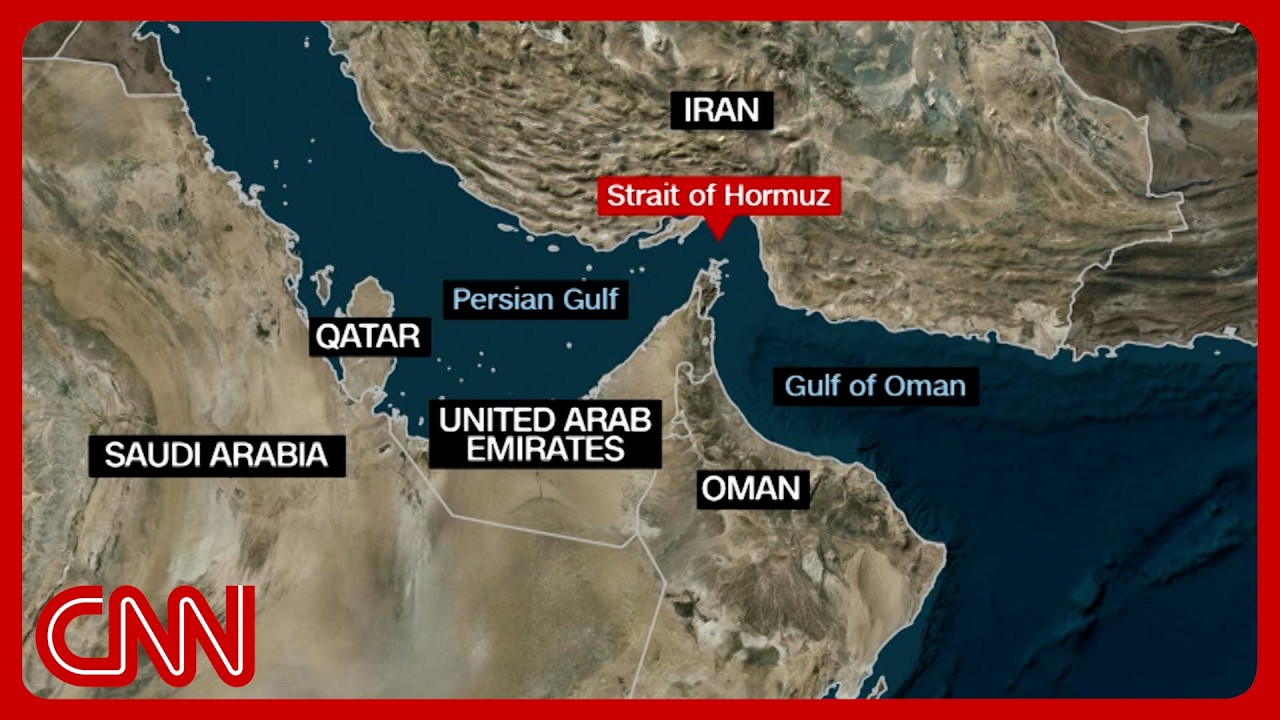
The situation escalated further only hours earlier when Iran launched attack drones near the Strait of Hormuz, a strategically vital waterway. U.S. forces subsequently intercepted these drones, highlighting an intense back-and-forth that raises questions about the feasibility of maintaining a ceasefire. Centcom indicates that the U.S. successfully thwarted another drone launch from Iranian territory, which could have exacerbated the already volatile environment.
Iran’s response to this perceived aggression was to launch a retaliatory attack targeting an unmanned U.S. base. The rapid succession of these hostilities indicates a troubling trend—questions loom over the viability of any potential peace deal, particularly as both sides harden their stances in the wake of these incidents.
Despite recent optimism from U.S. officials regarding negotiations, today’s developments cast a long shadow over diplomatic efforts. Both Iran and the U.S. have been issuing accusations of ceasefire violations against one another. The cyclical nature of these skirmishes suggests a deepening rift and an erosion of trust that complicates any negotiations aimed at lasting peace.
Kevin Liptak from CNN captured the essence of the situation well, stating that the recent actions contribute to a “shaky ground” as both parties accuse each other of not upholding the ceasefire. He observed that prior skirmishes had been characterized as relatively minor but noted that the ongoing exchanges are demonstrating a clear escalation in hostilities.
Recent military activities reveal Iran’s ongoing capability to project power despite previous assertions of its military being diminished. U.S. officials are increasingly concerned about Iran’s ability to launch drones and missiles, particularly in the strategic Strait of Hormuz, a critical channel for global oil shipments. The stark reality is that Iranian military assets are not disappearing; rather, they are being retained and potentially fortified.
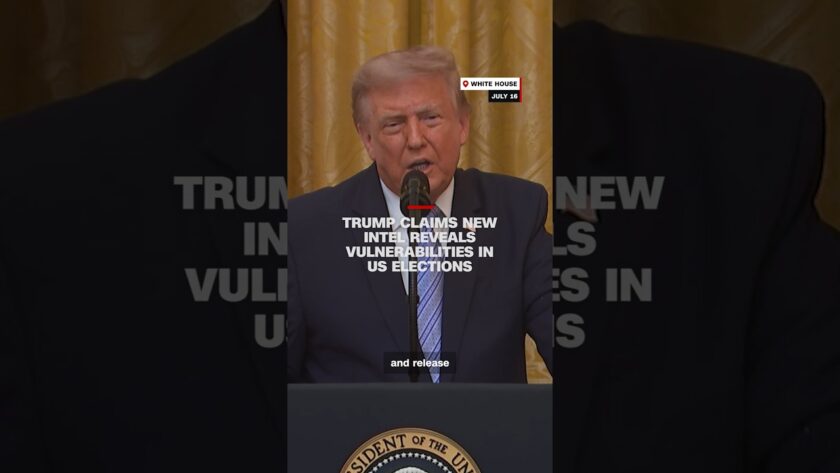
The complexities of geopolitics become even more pronounced when evaluating President Trump’s statements regarding allies in the region. He recently warned Oman, a historical U.S. ally, against partnering with Iran to control the Strait, reinforcing the delicate nature of the negotiations. Trump’s comments, described by some as shocking, have the potential to undermine long-standing alliances and exacerbate regional tensions.
Political analyst Sabrina Singh pointed out that this latest exchange of hostilities adds immense pressure on an already fragile peace agreement. The dynamics are fraught as each side frames its actions as either defensive or aggressive, complicating efforts to present a united front in negotiations. The United States perceives its military actions as self-defense, while Iran defends its retaliatory measures as justified.
David Sanger of The New York Times articulated further complications in the negotiations, framing them as a stalemate. He noted that the challenges ahead are enormous, especially as the U.S. seeks a more integrated agreement that covers not just nuclear limitations but also missile development and broader regional stability.
As tensions continue to mount, with both strategic military movements and aggressive rhetoric, observers are left questioning the path forward. The ongoing conflict in the Strait of Hormuz serves as a litmus test for international diplomacy, revealing how fragile peace can be in a region characterized by historical animosities and competing interests.
In summary, the situation surrounding the U.S.-Iran relationship is escalating in a concerning manner. As both sides prepare for potential military actions, the prospects for diplomatic resolution become dimmer by the day. The international community watches closely, hoping for a de-escalation but bracing for the possibility of further conflict. The coming days could be crucial in determining the future of not only U.S.-Iran relations but also the security landscape of the entire region.