U.S.-Iran Delegation Talks in Pakistan End in Stalemate: Implications for Middle Eastern Diplomacy
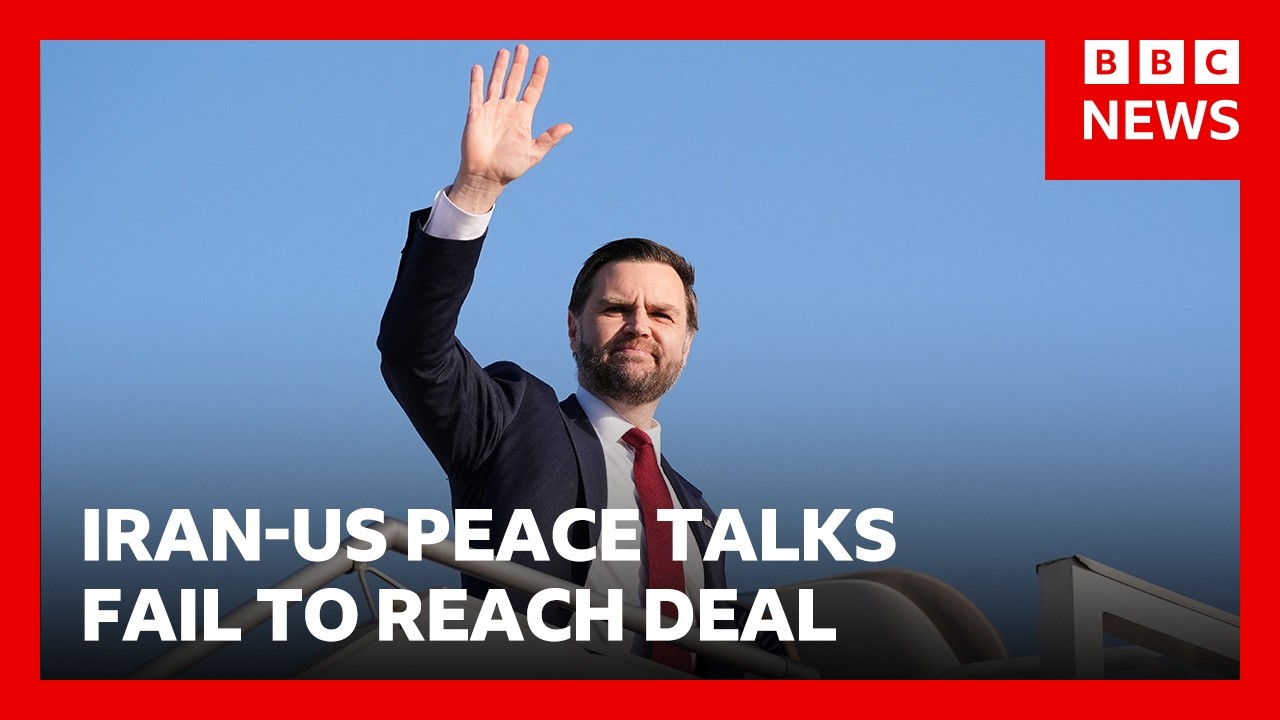
The recent high-stakes diplomacy between the United States and Iran in Islamabad has concluded without a deal, highlighting the deeply entrenched divisions and complexities that hamper efforts for peace in the Middle East. U.S. Vice President JD Vance left the talks early in the morning after 21 hours of negotiations, stating that Iran had not accepted what he described as the U.S.’s final offer. This impasse raises critical questions about the future of diplomatic relations between the two nations and the broader geopolitical implications that hang in the balance.
The backdrop to these talks is grim. After 40 days of fighting and nearly 50 years of animosity, Iran seeks assurances to avoid future devastation, having experienced significant loss and destruction in recent warfare. They demand international acknowledgment of their rights over the vital Strait of Hormuz, where Iranian forces have strategically blocked access. This maneuver has afforded Iran unprecedented leverage, complicating any potential agreements. The U.S., meanwhile, primarily focuses on establishing a solid commitment from Iran not to develop nuclear weapons, emphasizing the need for a long-term solution to the nuclear threat.
As the negotiations unfolded, tensions remained palpable. Media access was restricted, and updates were sparse, reflecting a cautious atmosphere that pervaded the talks. Vice President Vance spoke of the critical importance of Iran’s nuclear ambitions, stating, “We have made very clear what our red lines are.” His remarks underscore the deep-seated fears of nuclear proliferation that haunt U.S.-Iran relations. The core issue, according to Vance, revolves around Iran’s commitment to eschewing nuclear weapon development—not just for now, but indefinitely.
Iran’s response to the U.S. demands was one of indignation, framing the terms as unreasonable. Iranian media voiced their frustration, indicating that the expectations being placed on them were excessive and lacked legitimacy. This dispute over what constitutes acceptable negotiation terms has rendered prospects for meaningful dialogue excessively precarious.
Compounding the complexity of these discussions is the ongoing conflict involving Israel and Hezbollah. Even as U.S. and Iranian representatives gathered in Pakistan, Israel increased military actions against Hezbollah, drawing a sharp line in the sand. Iran has indicated that any resolution must also consider cessation of hostilities in this arena, a demand that complicates the negotiations further. The casualty figures remain staggering, with reports indicating over 2,000 deaths due to the ongoing conflict.
Despite the apparent failure of the Pakistan talks, analysts note that the mere presence of senior officials from both nations indicates a willingness to engage in dialogue, albeit one characterized by glaring mistrust. The absence of any formal agreement is disheartening, given the hopes that had been built up in anticipation of the meetings. Vice President Vance acknowledged this sentiment, stating that the lack of agreement was detrimental to Iran more than the United States.
In the immediate term, the lack of a consensus raises questions about the subsequent trajectory of U.S.-Iran relations. With no foundational agreement reached, the potential for renewed conflict looms ominously. Moreover, the absence of progress could incentivize Iran to fortify its military capabilities, pushing further away from compliance with U.S. objectives in the region. There are speculations that these failed talks might embolden Iran to continue its regional operations with greater assertiveness, including further antagonism towards U.S. interests and allies.
The fallout from these talks extends not only to U.S.-Iran relations but also to the larger fabric of Middle Eastern diplomacy. As countries assess the implications of this stalemate, the potential ripple effects could exacerbate existing tensions, leading to increased volatility in the region. Indeed, many observers worry that the inability to broker a deal could reignite not just the fires of conflict, but also deepen the isolation of Iran on the global stage.
As the world vigilantly watches for the next moves from both parties, the outcome of these talks serves as a somber reminder of the difficulty in achieving peace—a goal that remains elusive amid a web of historical grievances, geopolitical ambitions, and immediate security concerns. The stakes are higher than ever, and the failure to reach an agreement could set the stage for further complications in an already tumultuous landscape.