Escalating Tensions: Iranian Missile Strikes on U.S. Military Facilities in the Middle East
Recent events in the Middle East reveal a disconcerting escalation in hostilities, particularly concerning Iranian military operations aimed at U.S. positions. An Iranian ballistic missile has reportedly struck the Al Udeid Air Base in Qatar, which serves as the largest U.S. military installation in the region. This strike marks a significant shift in the dynamics of regional security, especially as new investigative reports emerge about Iranian attacks on various U.S. targets.
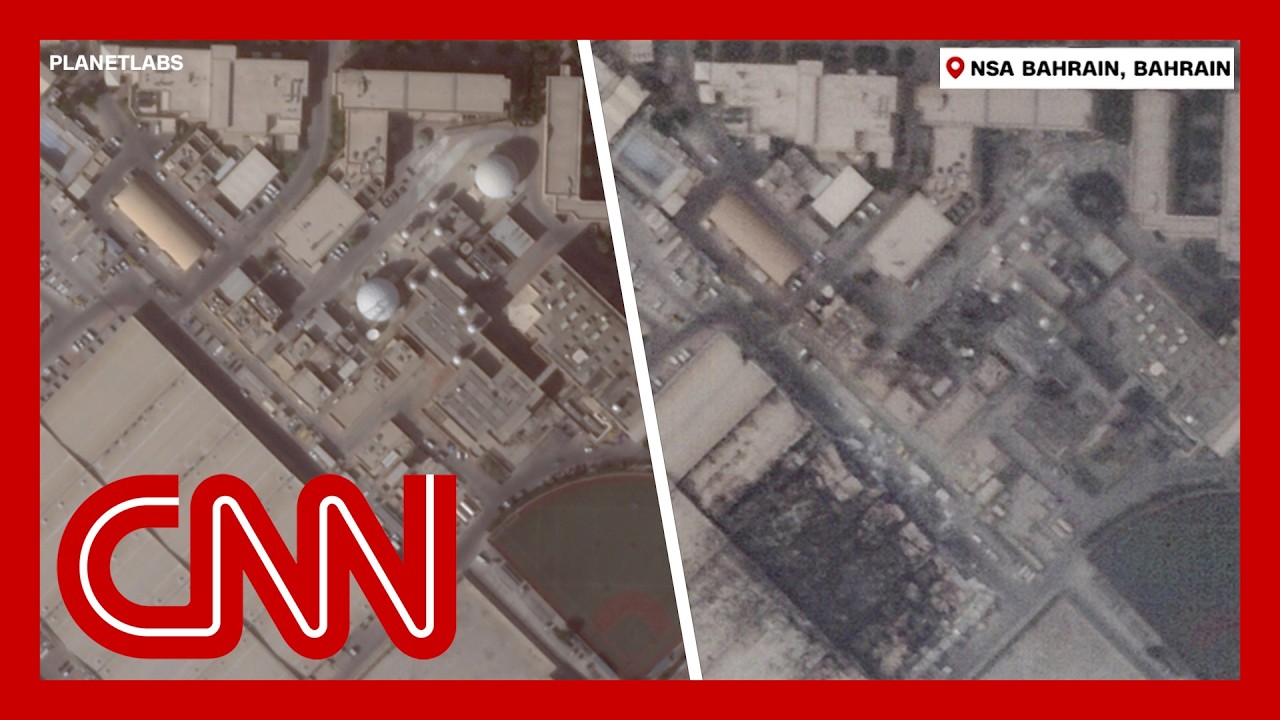
In the aftermath of heightened tensions and the assassination of key Iranian figures, satellite imagery is beginning to show the extent of the damage inflicted on U.S. military facilities across the Gulf Arab states. Within a short span of 48 hours, nine U.S. military bases have reportedly been struck, a troubling sign of increased aggressiveness on Iran’s part. Moreover, these attacks are not random; they are executed against targets situated much closer to Iran, enhancing the likelihood of successful strikes against U.S. interests.
Among the striking incidents was an attack on a makeshift U.S. operations center at a civilian port, which resulted in the tragic loss of six American service members. The aftermath revealed a scene of devastation: smoke billowing from a ravaged trailer with seemingly inadequate fortification against such an assault. In another instance, drone strikes targeted Camp Buring, inflicting damage on key facilities, including nearly hitting American helicopters stationed there.
Moreover, the attack on the U.S. Navy’s Fifth Fleet underscores a disturbing vulnerability. This naval formation, one of the most significant in the world, appeared alarmingly defenseless against the drone assault, which damaged satellite communication terminals critical for operational efficacy. A pattern is emerging where Iranian strikes are deliberately aimed at disabling communication capabilities within U.S. bases, suggesting a strategy aimed at isolating American forces from vital external support.
Despite the use of advanced U.S. defense systems like Patriot missiles, many drones and missiles have managed to evade detection and interception. This raises critical questions about the effectiveness of existing air defense strategies. As U.S. and allied forces grapple with these escalating threats, one vital issue remains: how long can Iran sustain this wave of aggression, especially given the unknown status of its missile and drone stockpiles?
The scope of Iranian targets appears to be expanding beyond military installations. Reports indicate that Iranian Revolutionary Guard Corps have stated an intention to strike American political centers. A drone strike in Dubai, targeting a parking lot near the U.S. consulate, was a stark reminder of how Iranian operations in the region are extending to non-military facilities. Fortunately, casualties were avoided, but the broader implications linger ominously.
The situation in Saudi Arabia is equally precarious. Iranian strikes have targeted various locations, including active U.S. embassies. Drones and missiles have been intercepted, yet the continued attempts highlight a disturbing trend indicating that Iran remains undeterred in its campaign. Saudi officials are particularly sensitive to the risk of being drawn into the conflict, especially concerning vital oil-producing facilities that could serve as a flashpoint for further escalation.
As international powers, including France, contemplate reinforcing their military presence in the region, a complex web of alliances and adversarial relationships is taking shape. The potential for broader conflict looms with every passing day, especially as diplomatic efforts seem increasingly futile in the face of overt military action.
The deteriorating security environment signifies a crucial juncture in U.S.–Iranian relations. While immediate military responses may be warranted, the underlying challenges—rooted in decades of geopolitical animosities—demand nuanced consideration. As the world watches these events unfold, the stakes have never been higher for both regional stability and global peace. Time will reveal the resilience of U.S. operations in the Middle East and Iran’s willingness to risk greater retaliation. Amid this turmoil, the significant ramifications for civilian lives and diplomatic relations are undeniable, urging a reconsideration of strategies and alliances in a volatile landscape.