The Financial and Strategic Implications of the U.S. Military Operations in Iran
The ongoing military operations against Iran, dubbed "Operation Epic Fury," have raised significant concerns among lawmakers and military analysts regarding both financial expenditures and strategic coherence. Currently, the Pentagon estimates the operation has cost approximately $25 billion. While this figure may seem astronomical to the layperson, its implications extend far beyond mere numbers—it reflects a more profound dilemma in U.S. military strategy.
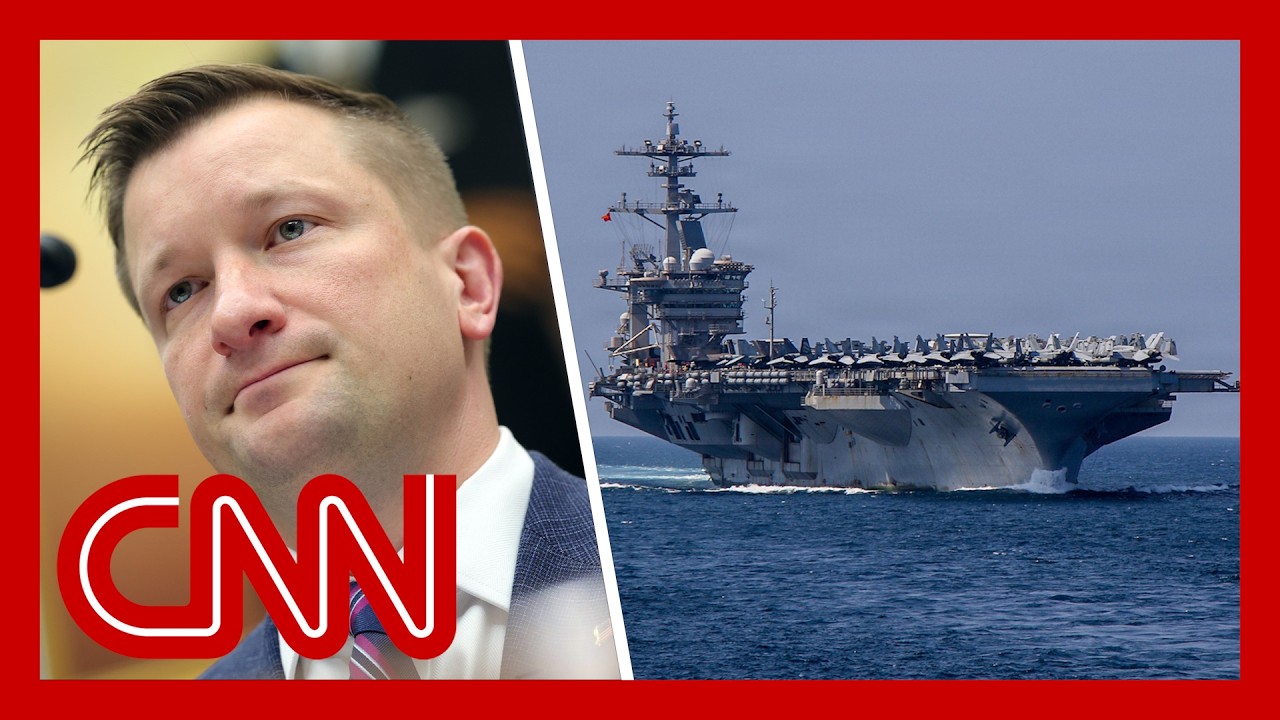
During a recent Congressional hearing, questions surrounding the full financial implications of the ongoing conflict were brought to light. Lawmakers, frustrated by delays in obtaining a comprehensive cost analysis, expressed concerns about how Operation Epic Fury was aligning with the National Defense Strategy. This strategy primarily highlights the threat posed by China, yet the commitment of resources to the Middle East appears at odds with this focus. It raises an alarming question: Why are there three U.S. aircraft carriers positioned in the Middle East while only one is stationed in the Indo-Pacific region, which is deemed critical in countering China’s rise?
General Wesley Clark stressed the gravity of the situation, pointing out that while funding is crucial, the expended assets—specifically munitions and military equipment—are of even greater importance. The military has reported substantial losses, including approximately 50% of its Tomahawk land-attack missile inventory and significant declines in ballistic missile interceptors. As Clark articulated, some of these essential munitions take years to replenish. The ongoing conflict also strains operational readiness, as military assets are increasingly deployed for extended periods.
The implications of resource allocation extend into domestic politics as well. Lawmakers are voicing concerns not just about military readiness but also about its impact on everyday Americans. Rising gas prices, directly linked to the instability in the region, have resulted in public discontent. Legislators are urging military leaders for a clear path forward and are pressing for answers about how and when the conflict will conclude. Without a defined end goal, the repercussions for American households are likely to persist.
As the situation unfolds, it’s imperative to scrutinize the timeline of this military engagement. The operation has now surpassed the initial 60-day mark that many believed would define its duration. This protracted commitment raises moral questions about the experiences of U.S. service members and their families, as well as the strain on military logistics. The aircraft carriers and their crews are pushed to the limit, leading to burnout and even impacting repair schedules, which are often planned years in advance. Such delays could hinder future operational readiness.
In parallel, a debate is brewing within Iran itself. Internal factions are deliberating on the most prudent course of action against U.S. engagements. Some argue for diplomatic negotiations, citing the economic hardships imposed by these military actions, while hard-liners advocate for continuing resistance. This dichotomy complicates the geopolitical landscape further, as the U.S. must navigate its strategy while weighing the potential for a negotiated resolution.
Moreover, the U.S.’s relationship with NATO allies remains a focal point in assessing military strategy. General Clark noted that allies’ democratic structures require transparency and public support for military operations. The U.S. must engage with its NATO partners in a manner that fosters cooperation rather than ambivalence. Effective collaboration has historically been built on mutual respect and understanding; dismissing these principles can lead to greater isolation in international affairs.
As we reflect on the implications of $25 billion spent amid an uncertain military landscape, it becomes clear that urgent discussions about resource allocation, strategic coherence, and the long-term effects on both domestic and foreign policy are imperative. The stakes are high and extend beyond financial metrics; they encompass national security, international relations, and the welfare of American citizens. Ultimately, as the conflict with Iran continues, the need for clear leadership and direction has never been more pressing.