Unpacking the Iran Negotiations: A Tenuous Road Ahead
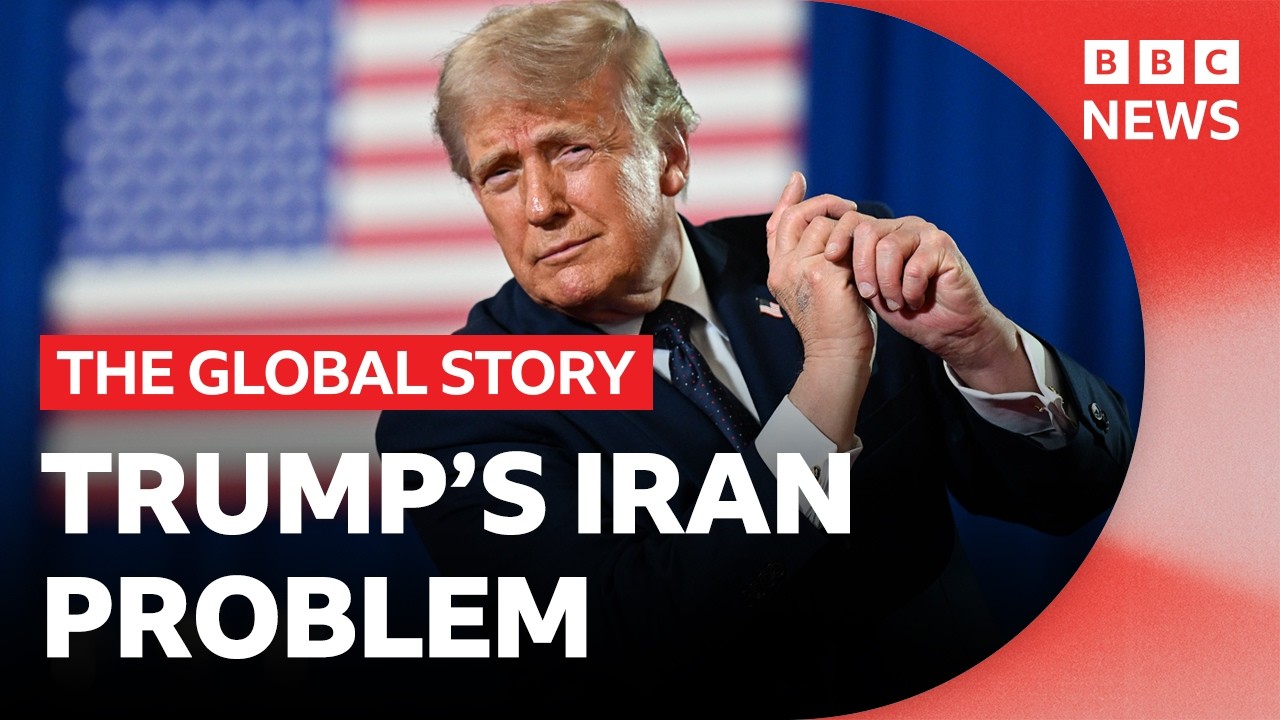
In recent discussions surrounding the United States’ negotiations with Iran, a prevailing question arises: has Donald Trump definitively lost the art of the deal? Amidst mixed signals from Washington and Tehran, the implications of these negotiations could reverberate through global politics.
On one side, Secretary of State Marco Rubio hinted at the possibility of a deal within days, suggesting that preliminary drafts were nearing a consensus. However, the information emerging from Iran depicts a contrasting narrative. Time stamped at 4:45 PM UK time on a Tuesday, recent statements indicate a cloud of uncertainty looms over the discussions. Iran’s denial of progress has left observers questioning the real state of affairs.
The leaked details of a potential agreement reveal a shift from earlier reports. Initially, the focus was on a moratorium on nuclear enrichment by Iran, coupled with the lifting of U.S. sanctions. Now, we see a nuanced Memorandum of Understanding outlining key points, including a temporary ceasefire, the lifting of tolls in the Strait of Hormuz, and incremental waivers of U.S. sanctions to allow Iran to re-enter the oil market. This memorandum represents not a binding deal, but a framework for further negotiations—a means to engage with Iran while deferring contentious issues.
International Editor Jeremy Bowen emphasizes that while specific details may change, the memorandum reflects a crucial recognition that the U.S. cannot unilaterally dictate terms. Iran, emboldened by its ability to withstand previous military actions, is approaching negotiations with considerable leverage. This shift indicates an acknowledgment by the U.S. administration that aggressive prior strategies may have proved ineffective. Contrarily, Iran seems willing to parlay its indispensable role in regional security over navigating the complex pathways of diplomacy.
The strategic implications of these talks are significant. Should the memorandum come to fruition, it may facilitate the resumption of trade through the Strait of Hormuz—a vital artery for global commerce. However, as both sides grapple to define the terms of their engagement, one cannot ignore the deep historical rifts that complicate such negotiations. The U.S.’s insistence on Iran’s compliance with stringent nuclear conditions clashes with Iran’s long-held stance on its sovereign right to uranium enrichment.
This impasse raises critical questions about U.S. strategic interests. Analysts suggest that the inability to effect regime change—initially a cornerstone of Trump’s strategy—represents a profound shift in the geopolitical landscape of the Middle East. With Iran’s leadership showing resilience despite external pressures, Trump must now navigate a path back toward diplomacy without the rigid expectations that characterized his earlier rhetoric.
Professor Phillips O’Brien describes the potential outcomes as a historic softening of U.S. geopolitical power, suggesting that if negotiations yield a successful agreement with Iran, it could mark a decisive shift in the conception of U.S. strength on the world stage. The perception of an American defeat raises important discussions about how future historians might evaluate this period within the overarching narrative of U.S. foreign policy.
Yet, amidst these challenges lies the question of domestic support. Trump’s rhetoric on social media suggests urgent calls for regional allies to embrace new accords with Israel, which could further complicate the already intricate situation. The insistence from regional powers like Saudi Arabia for substantial progress toward Palestinian statehood before engaging more closely with Israel indicates a growing complexity in aligning regional interests.
As negotiations unfold, the stakes have never been higher for both the U.S. and Iran. While the interim agreement aims for a pause in escalating tensions, the real challenge lies in ensuring that both sides can achieve mutual gains without escalating into conflict. Ultimately, the question remains whether this approach signifies a long-overdue shift in diplomatic strategy or merely a temporary pause in a deep-rooted geopolitical rivalry.
In this landscape of uncertainty, the trajectory of U.S.-Iran relations will likely influence not only regional dynamics but also the broader possibilities for peace—or conflict—on the world stage for years to come.