Rising Tensions and Evolving Warfare: A Focus on Recent Attacks and Strategic Implications
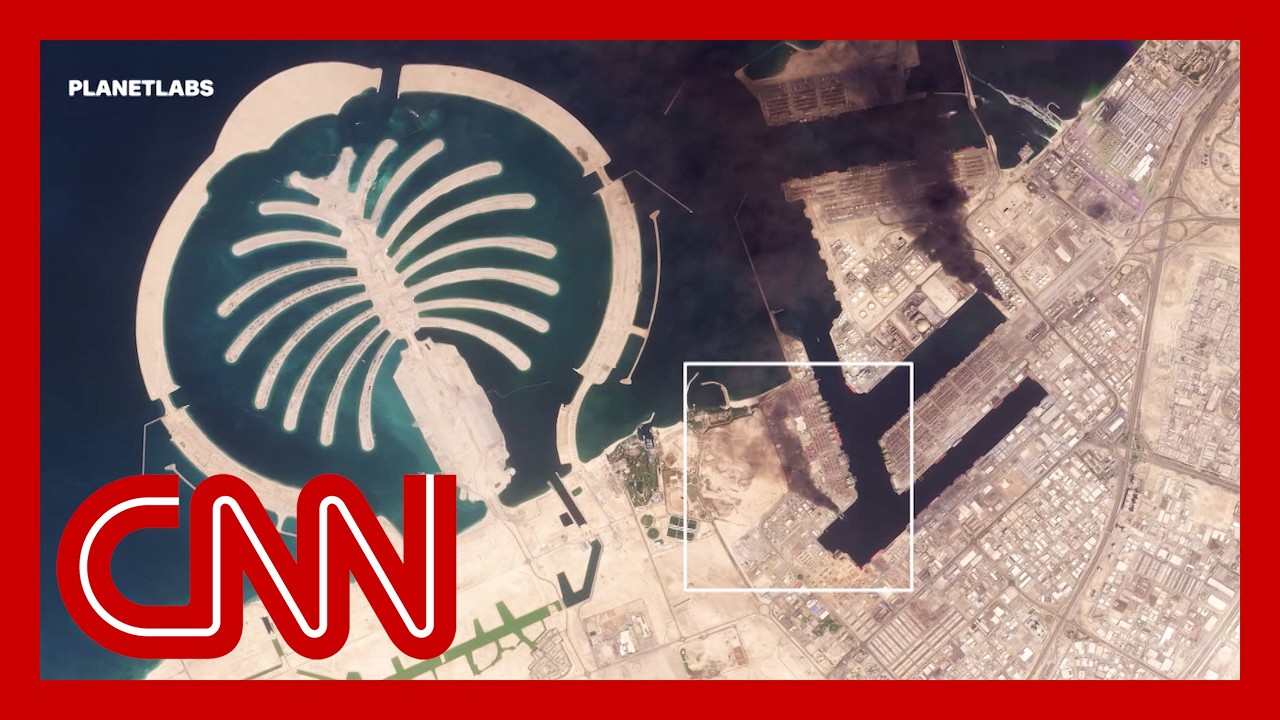
The recent surge in hostilities between Iran and U.S. military forces across the Gulf Arab countries marks a pivotal moment in regional geopolitics. Satellite imagery captures the extensive damage inflicted upon U.S. military facilities, painting an alarming picture of the conflict’s escalation. This wave of attacks is Iran’s fierce retaliation against what it perceives as an American-Israeli campaign that has severely disrupted its leadership.
In less than 48 hours, at least nine U.S. military installations were struck, demonstrating a new tactic: targeting positions closer to Iran rather than its traditional adversary, Israel. This shift in strategy may enhance the effectiveness of Iran’s missiles and drones, enabling them to circumvent advanced defense systems. For instance, in a notable incident, an Iranian strike on the port of Shiba targeted a makeshift U.S. operations center, resulting in the tragic deaths of six American service members. The haunting image of smoke rising from the fire, coupled with the sight of a blown-out trailer, underscores the stark vulnerability of U.S. forces in this volatile region.
Further complicating the situation are drone attacks on bases like Camp Buring, where American helicopters were narrowly avoided during assaults. The disconcerting aspect of this military confrontation is how such critical installations appear alarmingly defenseless to a barrage of missiles and drones. Iranian forces have targeted communication systems, dismantling at least five satellite terminals, potentially isolating U.S. bases from crucial support.
Analysis suggests that Iran has utilized an unprecedented combination of missiles and drones to deliver these strikes. Despite the success of U.S. air defense systems, several attacks slipped through, leaving an imprint on the perception of security in oil-rich Gulf states and challenging America’s longstanding military presence in the Middle East.
Emerging satellite imagery further reveals the extent of damage within Iran itself, illustrating the extent of U.S. and Israeli air operations against its senior leadership. Intelligence sources indicate that the CIA and Israeli operatives meticulously monitored Iranian leaders for months, leading to a high-stakes opportunity that culminated in an unprecedented strike. Ayatollah Ali Khamenei’s compound, a nexus of power, was targeted when many officials congregated, resulting in numerous casualties among Iran’s high command.
The ramifications of these strikes extend beyond military personnel; the civilian toll has become increasingly grim. Reports indicate that an airstrike on an elementary school in southern Iran claimed the lives of over 160 students and staff. Such tragedies evoke poignant questions about the operational protocols in combat situations, particularly regarding the targeting of compassionate spaces like schools and hospitals. The humanitarian implications of these attacks are becoming more difficult to ignore, especially as medical facilities struggle to cope with the influx of casualties.
As the Iranian leadership faces unprecedented turmoil, overseas meetings and negotiations are abruptly disrupted. Figures like Foreign Minister Abbas Araqchi managed to avoid fatal outcomes by being abroad during the strikes, further emphasizing the precarious balance of power. Meanwhile, the iconic strike on Tehran’s intelligence headquarters, amidst a backdrop of chaos and insecurity, poignantly symbolizes the vulnerability of even the most fortified institutions.
In the realm of military strategy, the calculated placement of such strikes raises questions regarding future responses and strategies from both sides. As civilian infrastructure continues to suffer, it becomes increasingly challenging for military leadership to justify operations that disproportionately affect innocent lives. The reference to a barrier separating military and civilian spaces during attacks amplifies the fog of war, blurring lines between combatants and non-combatants.
In this theater of conflict, it is essential to reflect on the implications for regional stability and the civilian landscape. The dual narratives of military strategy and humanitarian consequences converge, urging a reevaluation of tactics employed by all parties involved. As drone and missile strikes evolve, fostering an environment of unpredictability, it becomes crucial to consider the long-term consequences on the geopolitical and social fabric of the Middle East. For now, the world watches as a significant chapter of military engagement unfolds, with many uncertain of what the future holds.