The Strategic Implications of Ali Larijani’s Assassination in Iran
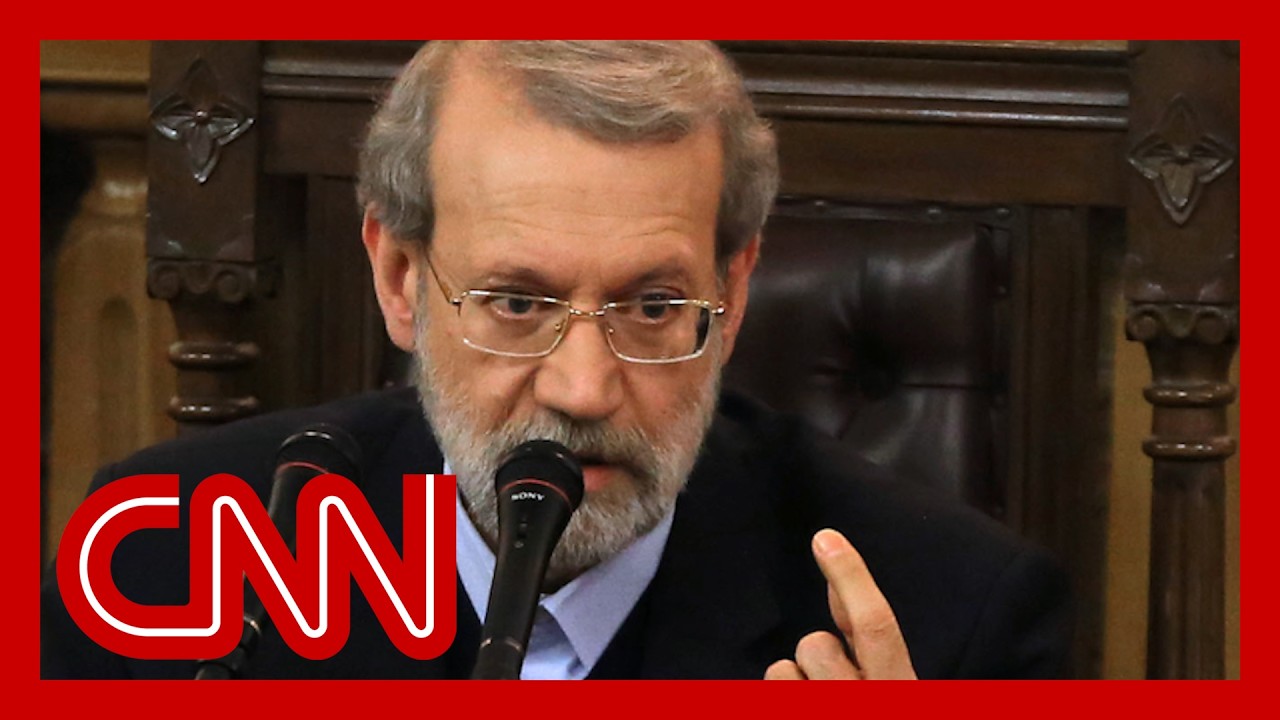
In a significant escalation of hostilities in the Middle East, Israeli Defense Minister Israel Katz has confirmed the assassination of Ali Larijani, Iran’s top security official, in an overnight strike in Tehran. Larijani, who served as the secretary of Iran’s Supreme National Security Council, was considered one of the most influential decision-makers in the Iranian regime, particularly in the wake of the recent death of Ayatollah Ali Khamenei. His death raises critical questions about the stability of Iran’s leadership and the broader implications for regional security.
Ali Larijani’s prominence in Iranian politics has positioned him not only as a key player in security matters but also as a public figure who engaged directly with domestic dissent. In a context where leadership in Iran often facilitates a complex discourse around authority, Larijani’s sudden removal is a notable blow. Israel’s military strategy, marked by targeted assassinations of high-ranking officials, aims to destabilize an already precarious regime structure. The removal of Larijani, alongside efforts to eliminate other significant figures such as the head of Iran’s Basij paramilitary forces, underscores Israel’s commitment to a proactive defensive strategy.
Defense Minister Katz remarked that the Israeli forces would continue to pursue the Iranian leadership, indicating that this is not a one-off event but part of a longer campaign against what the Israeli government perceives as a “terror and repression regime.” This raises the stakes considerably. The Israeli military is willing to target anyone viewed as a decision-maker within Iran, striking at the very heart of its governance.
However, the reality is more complex than it may appear. Even with Larijani’s assassination, the Iranian regime has demonstrated a remarkable ability to adapt and replenish its leadership rapidly. Following the death of Khamenei, there was speculation about a power vacuum. Yet, Iran has seen swift appointments and realignments, creating continuity in governance despite the challenges posed by targeted killings. This adaptability casts doubt on the effectiveness of purely military efforts to destabilize the regime.
Israeli military officials acknowledge that airstrikes alone will not topple the Iranian leadership. They are, however, keenly aware of the symbolism and tactical advantage that such eliminations can create. Prime Minister Benjamin Netanyahu’s appeals to the Iranian populous suggest a dual approach: weaken the regime through military means while simultaneously inspiring significant internal unrest. The ongoing bombardments, they believe, may create an environment where the Iranian people feel compelled to take action against their leaders.
Retired Admiral James Stavridis has likened Larijani’s importance to that of Cardinal Richelieu in historical France, someone who maneuvered through internal dissent while holding substantial power. The forfeiture of this leadership position adds another layer of complexity to the Iranian political landscape. Although Larijani’s removal presents a strategic opportunity for adversaries of Iran, the subsequent impact on the regime remains uncertain. The character and caliber of potential replacements, and their ability to navigate both internal and external pressures, will be critical in determining the future stability of Iran.
Looking ahead, the broader context includes significant U.S. military movements in the region, with approximately 2,500 Marines poised for deployment. Their strategic positioning around critical infrastructure, particularly Kharg Island—central to Iranian oil production—represents an assertive show of force. Such deployments are not merely symbolic; they present tangible threats that could disrupt Iranian economic activities. The U.S. military’s options range from seizing critical locations to targeting uranium enrichment efforts.
In summary, the assassination of Ali Larijani signals a significant moment in the ongoing geopolitical tensions between Israel and Iran. While it may provide a temporary strategic advantage, the persistent adaptability of Iranian leadership coupled with broader military strategies indicates that the road ahead remains fraught with uncertainty. As Israel continues its campaign against key figures in Iran, the coming weeks will reveal whether these actions can meaningfully alter the balance of power in the region or simply create new challenges in an already volatile situation.