Navigating the Complex Landscape of U.S.-Iran Relations
In recent weeks, the geopolitical situation surrounding Iran and its negotiations with the United States has garnered significant attention, particularly in light of developments regarding the Strait of Hormuz and broader regional dynamics. The ongoing discussions reflect a delicate balance of power and differing interpretations of commitments laid out in a memorandum of understanding (MOU), essential for fostering an environment conducive to further negotiations.
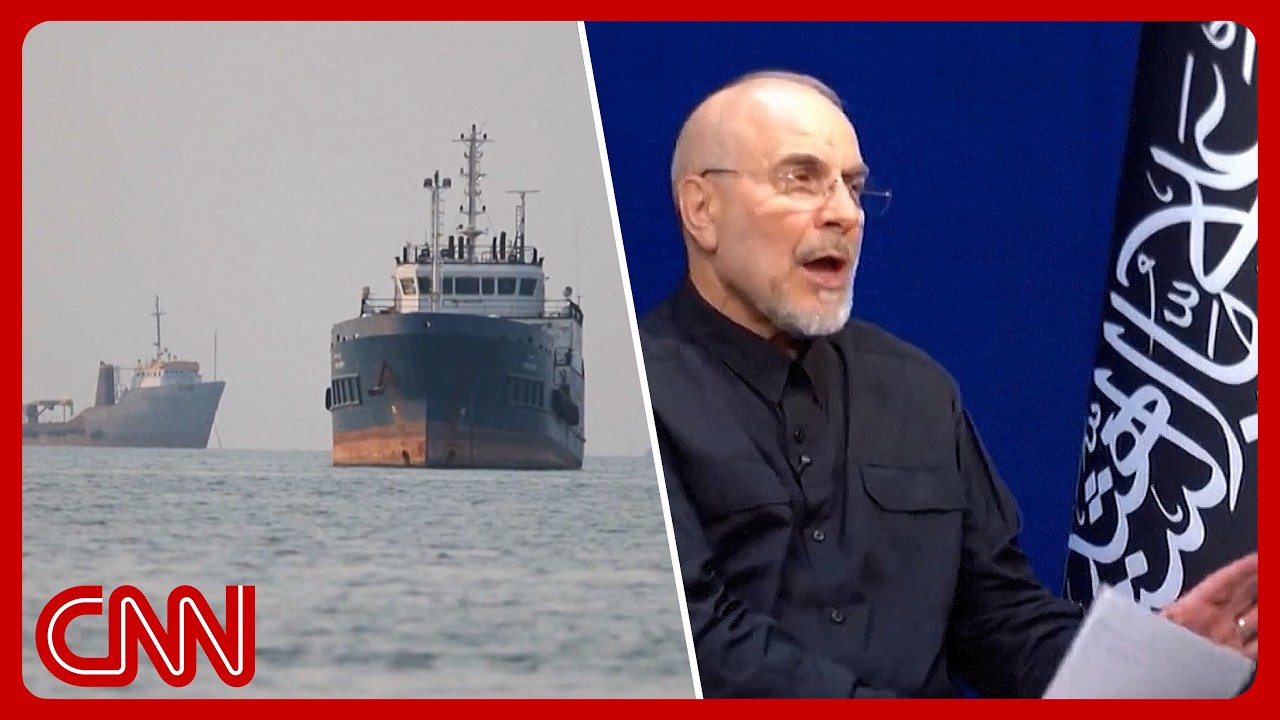
The chief Iranian negotiator has recently emphasized a critical point: the sovereignty of the Strait of Hormuz fundamentally rests with Iran as well as Oman. This declaration aligns with Tehran’s broader strategic positioning, underscoring its control over one of the world’s most vital waterways. Iran’s insistence that any future talks with the U.S. hinge on specific conditions being met reveals the complexities underpinning these diplomatic discussions. Foremost among these conditions is the release of frozen Iranian assets.
Conversations in Doha have become essential to this dialogue. Iranian officials engaged in discussions with Qatar’s Prime Minister, while indirect talks with U.S. representatives have reportedly taken place via mediators from Qatar and Pakistan. These meetings, however, have been characterized as low-level, underscoring the ongoing tensions and unresolved issues.
The MOU, which aims for a broader framework for negotiations over the next 60 days, has encountered impediments due to conflicting interpretations. For instance, the document states that Iran must establish and oversee arrangements for maritime transit through the Strait of Hormuz. This provision, however, has sparked disputes about designated shipping routes. While Iran insists this includes only ships navigating through its preferred northern passage, U.S. positions advocate for the southern route. Such discrepancies have led to volatile exchanges, including recent military engagements where Iranian forces targeted U.S. bases in Kuwait and Bahrain in response to perceived aggressions.
Iran’s negotiations extend beyond maritime routes and focus on geopolitical considerations in neighboring Lebanon. Israeli military operations against Hezbollah operatives have intensified regional tensions, creating a complex interdependence between U.S.-Iran negotiations and developments in Lebanon. Iran has called for a ceasefire and the withdrawal of Israeli troops from Lebanese territory as essential prerequisites for stabilizing the fragile ceasefire agreement with the U.S. Yet, burgeoning Israeli-Lebanese tensions seem to contradict broader aspirations for a peaceful resolution.
The Iranian government has consistently urged for the release of approximately $6 billion in frozen assets, framing this as a pivotal component of any negotiated outcome. While Iranian officials have expressed optimism regarding these funds, U.S. authorities have clarified that no assets have been released. Instead, they argue that any released funds would be designated for purchasing essential agricultural products, illustrating the intricate dynamics of sanctions and humanitarian considerations.
However, skepticism surrounds the Iranian regime’s intent regarding these funds. Observers question whether the government would prioritize humanitarian expenditures over funding its ideological interests and foreign engagements. The historical reluctance of the Iranian leadership to invest in the welfare of its citizens raises concerns about the genuine utility of any financial relief. It is widely believed that, even if funds are released for agricultural commodities, their ultimate distribution may not align with the needs of the Iranian populace, as the regime could redirect these shipments to bolster its domestic economy at inflated prices.
As the negotiations unfold, the challenge will be to monitor compliance with the stipulated agreements. The private sector’s role, particularly in finance, becomes increasingly critical. Financial institutions must navigate their potential risks and regulatory compliance related to Iranian transactions, further complicating the interplay between economic interests and politics.
In conclusion, the evolving situation presents a complex tapestry where geopolitical interests, economic imperatives, and regional stabilization efforts intersect. As talks progress, the international community remains watchful, aware that the outcomes of these negotiations could have profound implications not just for U.S.-Iran relations, but for the broader Middle East as well. Through persistent dialogue and nuanced understanding, the path forward must address the myriad of challenges presented, ensuring that all voices are heard and considered in this delicate arena of diplomacy.