Title: The Complex Landscape of US-Iran Relations: Is Diplomacy Possible?
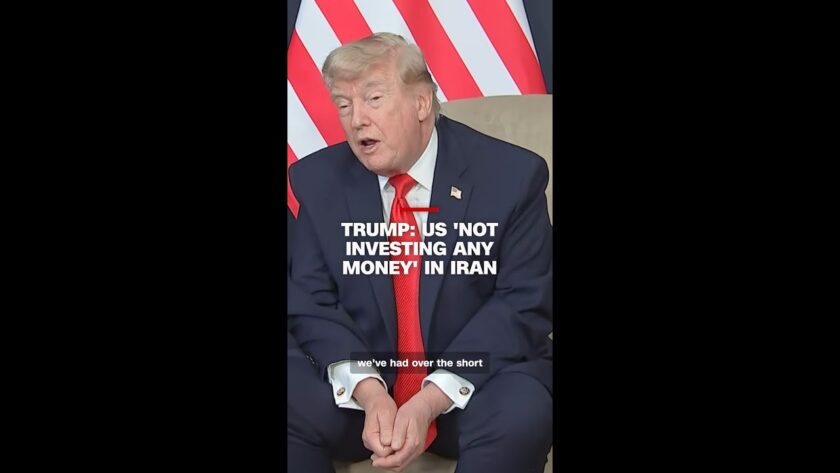
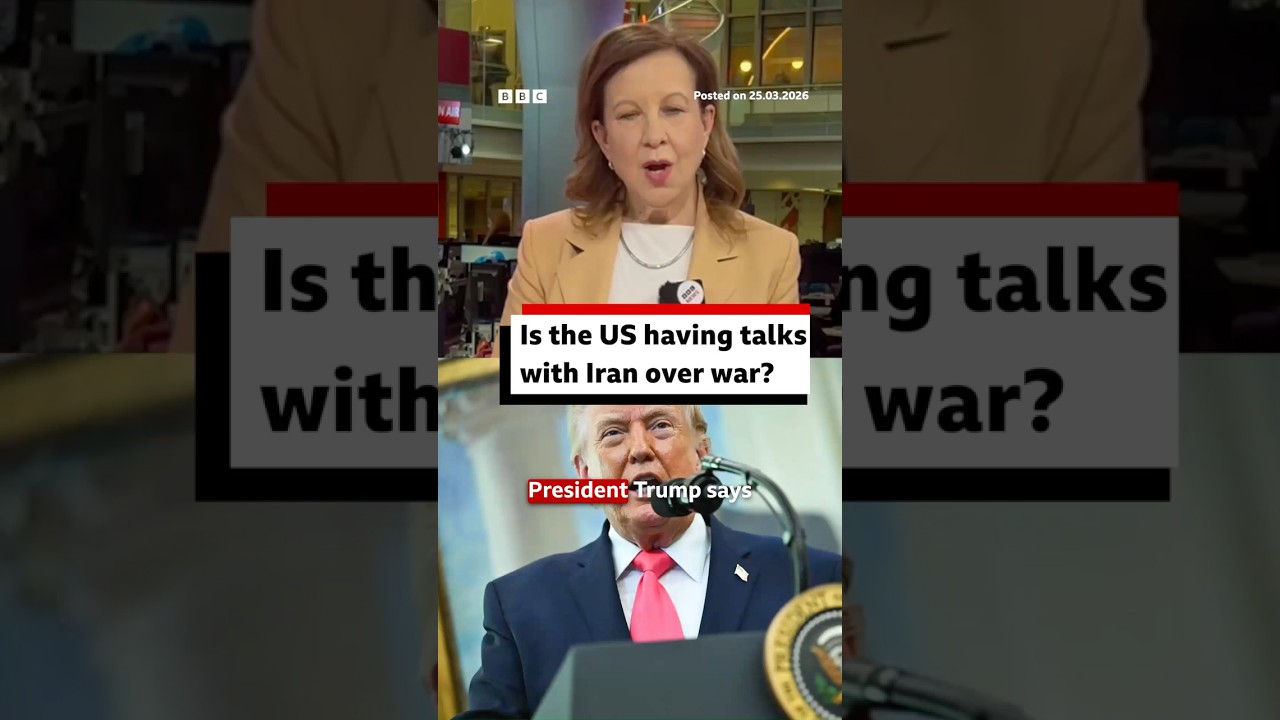
Amidst the ongoing tensions in the Middle East, the discourse around US-Iran relations is as heated as ever. Recently, President Donald Trump claimed that strong negotiations were taking place with Iran. In stark contrast, Iranian officials have vehemently denied the existence of any such talks. This dissonance raises a fundamental question: Who is telling the truth? The reality may lie somewhere in the middle.
Reports emanating from various sources suggest that while formal negotiations may not be occurring, communication channels remain active. Iran appears to be engaged in a series of indirect exchanges with the United States, facilitated by third-party nations. These intermediaries—Pakistan, Egypt, and Turkey—are emerging as key players in efforts to mediate an end to the protracted conflict.
Social media platforms are abuzz with propaganda from both sides, often characterized by aggressive messaging and rhetoric. This online battleground has become increasingly influential, shaping public perception and political narratives. Each nation appears to have designated spokespersons—some even dubbed "trollers in chief"—who contribute to an atmosphere fraught with tension and suspicion.
The involvement of countries like Pakistan in these negotiations represents a significant shift in diplomatic dynamics. Islamabad has offered to host high-level talks between US Vice President JD Vance and a senior Iranian official, Mohsen Bahrami Khalilabadi, widely viewed as a hardliner with pragmatic tendencies. This duality may render him an appealing candidate for dialogue, at least from President Trump’s perspective. However, the feasibility of such talks remains questionable.
For Iran, entering negotiations comes with substantial risks. The country is currently faced with a reality where targeted assassinations of its leaders by Israel have proliferated. This relentless violence raises legitimate concerns about engaging in talks, as any perceived weakness could be exploited. Furthermore, the groundwork for successful diplomacy requires common ground, which is sorely lacking at this moment. Both nations are entrenched in narratives of victory, making it difficult to find a diplomatic pathway.
The rhetoric from Tehran asserts that engagement should only occur under favorable conditions, particularly when claims of triumph over adversaries ring hollow. In the eyes of Iranian leadership, any dialogue must not only protect national interests but also confer dignity and respect. This insistence complicates the prospect of meaningful engagement and underscores the larger geopolitical puzzles plaguing the region.
On the other side, the US administration appears eager to project a narrative of strength and control. However, the mere act of communicating does not equate to constructive dialogue. Instead, it can often exacerbate existing tensions, particularly when both sides purport to be winning in their respective battles. This paradox makes it increasingly challenging to initiate genuine negotiations.
Mediation efforts involving Pakistan, Egypt, and Turkey could either break the stalemate or further complicate an already intricate situation. These nations bring unique perspectives and relationships, but whether they can effectively bridge the gap between Washington and Tehran remains uncertain. Any mediator must navigate a landscape rife with history, mistrust, and competing narratives.
As we analyze the current state of US-Iran relations, it is imperative to recognize that there are no easy answers. The dynamics at play are fluid, shaped by shifting political landscapes, cultural histories, and the ever-evolving realities on the ground. The potential for talks exists, but the conditions must be ripe.
Without a mutual understanding or willingness to compromise, the dream of diplomacy may remain just that—a dream. It is a fragile hope that hinges not only on the willingness of both nations but also on the actions of intermediary states and the broader international community. The road ahead is fraught with complexity, requiring patience, resilience, and an unwavering commitment to peace.