The Complex Dynamics of War and Democracy in Iran
The ongoing conflict in Iran raises profound concerns regarding the intersection of war and the quest for democracy. In a region marked by political turmoil, it is crucial to recognize that the ultimate success of any intervention hinges not on external forces, but on the agency and will of the Iranian people themselves. It is imperative that their struggle for democracy be supported, rather than overshadowed by the complexities of geopolitical maneuvers.
The Iranian populace has endured the weight of one of the world’s most oppressive regimes, and their desire for a democratic future is palpable. Polls indicate a yearning for reform, suggesting that at the heart of this turbulent environment lies a populace eager for change. Yet, the trajectory of foreign interventions often complicates matters. The notion that a government—or a politician—can impose a solution risks overlooking the nuances of the situation on the ground. The Iranians should be at the forefront of leading their own revolution, free from the puppetry of external powers.
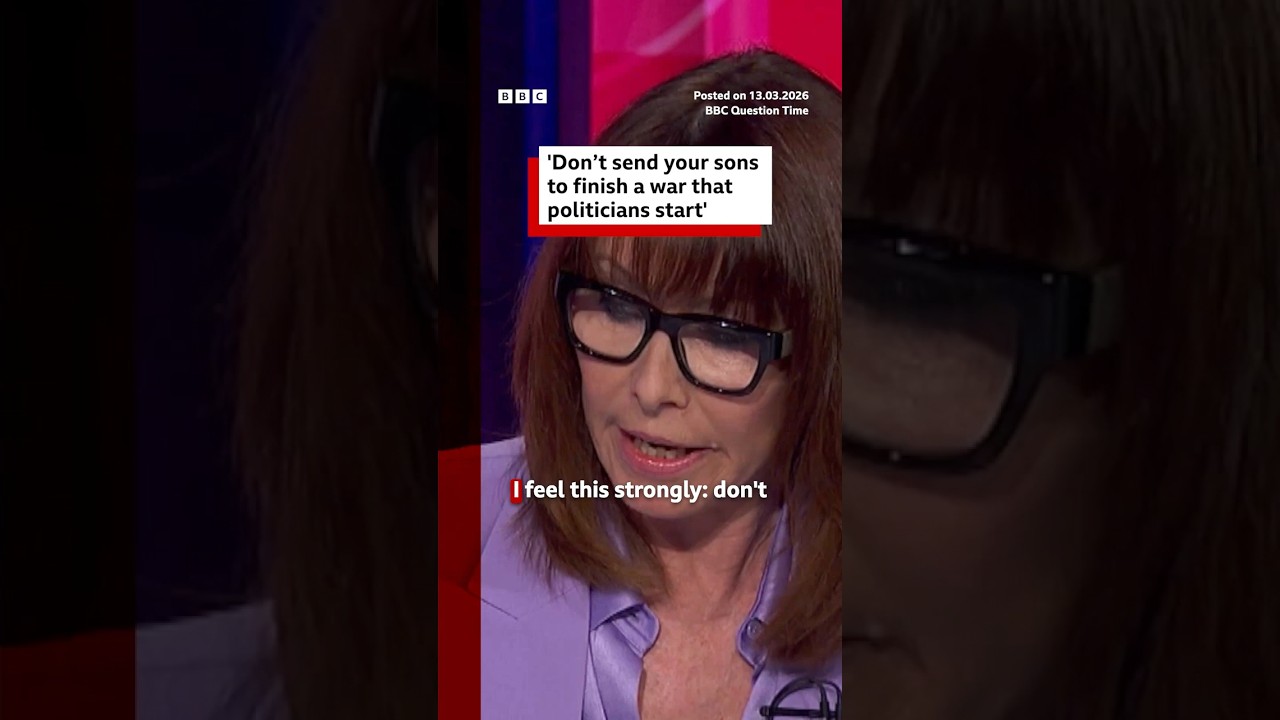
Reflecting on historical interventions can provide insight into the pitfalls that accompany military action. Take, for instance, the Falklands War during the early 1980s in Britain. Margaret Thatcher faced immense pressure over the invasion, and young soldiers fought valiantly. As a cub reporter at that time, I was assigned to interview the mothers of those soldiers. Their fear was palpable; they lived in anxiety, wondering whether their sons would return home. Thankfully, many did, but not all. The human cost of war paints a stark picture of the consequences of political ambitions.
In today’s discourse, parallels can be drawn between that historical conflict and the present situation in Iran. The prospect of military intervention raises two critical questions: who benefits, and who bears the burden? If history has taught us anything, it is that political leaders often see war as a tool to achieve their ends—rarely considering the real lives affected by conflicts. Their decisions lead to dire consequences for those on the front lines.
In recent discussions surrounding President Trump’s foreign policy, there is an apprehension that what might emerge is not genuine regime change, but rather a Venezuela-style scenario, a tactical approach void of a clear path toward democracy. The fear is that without a strategic and meaningful exit plan, Iran will remain in a quagmire of instability, leading to an even worse regime than currently exists. “Will Donald Trump be there?” This query reflects the uncertainty surrounding political leadership and its commitment to following through on promises made amidst the chaos of conflict.
Moreover, the limitations of military power in achieving lasting democratic change cannot be overstated. The actual mechanisms of reform must come from within the affected societies. External intervention can exacerbate tensions, leading to a cycle of violence rather than constructive change. The Iranian people know their needs better than any foreign power ever could; their fight for democracy must be recognized and supported through non-military means, such as diplomatic efforts and economic assistance that empower grassroots movements.
Ultimately, remembering the profound cost of war, both seen and unseen, shapes the necessary dialogue surrounding foreign policy today. As citizens reflect on contemporary military conflicts, it is essential to advocate for the Iranian people at a fundamental level. Their courage and aspirations for governance rooted in democratic principles should lead the narrative, not just political posturing. By investing in their right to self-determination rather than attempting to impose solutions from afar, the global community can foster an environment where true democracy has the opportunity to blossom.
In conclusion, the call is clear: support the Iranians in their quest for a brighter future devoid of oppressive governance. The path to democracy lies in their hands, and it is crucial that we encourage and empower their voices rather than drown them out with the noise of international politics. War should serve as a last resort, not a first response, especially when the stakes involve the lives and dreams of ordinary citizens yearning for freedom.