The Ongoing Conflict: Key Developments in the U.S.-Israel-Iran War
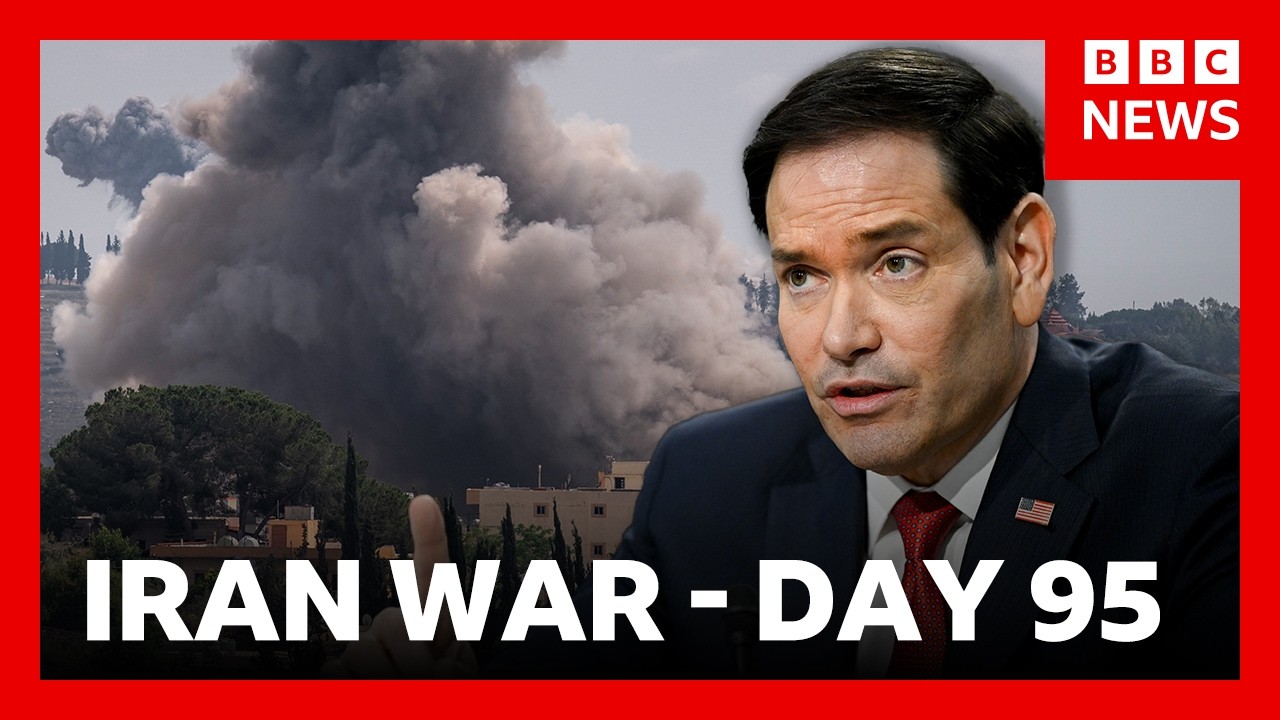
As the U.S.-Israel-Iran conflict enters its 95th day, developments continue to unfold, spotlighting the complexities of regional politics and military actions. Secretary of State Marco Rubio recently provided testimony to Congress, expressing a cautious optimism for a potential peace agreement with Iran, while tensions surge in Lebanon amidst clashes between Israeli forces and Hezbollah.
During Rubio’s congressional hearing, he discussed critical strategic concerns, particularly the reopening of the Strait of Hormuz. He emphasized the U.S.’s preference for diplomatic negotiations but hinted at alternative measures if Iran persists in its aggressive strategies. "If Iran wants to be able to move its oil again through the Strait, they will have to reopen the strait," he asserted. The stakes are high: the Strait of Hormuz is a vital passage for global oil supplies. Rubio reported that a commitment from Iran not to threaten commercial shipping is a fundamental precondition for discussions.
Simultaneously, President Trump took to social media to insist that "it’s time one way or another for Iran to make a deal." His direct language highlights an urgency prevalent among U.S. officials as they navigate the intricacies of Iran’s nuclear ambitions and military posture. Rubio’s extension of the timeline for negotiations signifies the potential complexities involved, as diplomacy often reveals logistical challenges when dealing with the Iranian leadership.
Beyond the framework of U.S. diplomacy, conflict persists in southern Lebanon, undermining ceasefire efforts between Israel and Hezbollah. Though both parties reportedly accepted a U.S.-proposed partial ceasefire, escalation continues. The Israeli military’s ongoing airstrikes against Hezbollah positions have raised alarms regarding the potential for resumed hostilities. Reports suggest that Israeli Prime Minister Benjamin Netanyahu is feeling increasing pressure from the White House to de-escalate military actions in the region, especially after a tense call with President Trump.
As artillery exchanges escalate, regional observers are acutely aware of the broader implications. The conflict between Hezbollah and Israel is inextricably linked to the U.S.-Iran tensions. Iranian leaders have indicated that any resolution of hostilities must include discussions pertaining to Israel. This interconnection complicates the prospects for lasting peace agreements as each side weighs its relationships and objectives.
On the domestic front in Iran, the Revolutionary Guard Corps issued stark warnings about a possible resumption of hostilities with the U.S. Their assertions reveal a strategic approach, highlighting both deterrence and a readiness to escalate if provoked. The Iranian regime faces significant internal challenges as public discontent is exacerbated by economic hardships, ongoing sanctions, and the persistent threat of protest movements. In a disconcerting signal, heavy sentences are being handed down to protestors amid fears of civil unrest.
In another vein, the plight of a British couple imprisoned in Iran adds an anecdotal layer to the ongoing conflict narrative. Lindsay and Craig Foreman remain in custody on espionage charges, with their appeal for clemency denied, suggesting a regime that remains staunch in its position against perceived foreign interference.
As the situation evolves, the humanitarian impact in regions like Lebanon must not be overlooked. Reports from southern Lebanon illustrate the dire aftermath of recent Israeli airstrikes, which have claimed lives and left hospitals like the one in Tyre severely damaged. Residents express a grim resignation about the current state of affairs, seeing little hope for an imminent resolution. Such localized violence underscores the broader geopolitical negotiations taking place, illustrating the complex interplay between military action and diplomacy.
In summary, the U.S.-Israel-Iran conflict remains a multifaceted challenge. The diplomatic overtures by American officials are juxtaposed with ongoing violence, particularly in Lebanon. The fluctuating dynamics between military aggression and attempts at negotiation will continue to shape not only the immediate situation in the Middle East but also the lasting impacts on regional stability and international relations. As this conflict unfolds, all eyes will remain glued to both diplomatic developments and the ground realities that paint a stark picture of life in these fraught environments.