Intensified Conflict: Israel and Regional Strikes Against Iran and Hezbollah
In recent days, Israel has initiated a significant escalation of military action against Iranian targets and Hezbollah positions, signaling a critical moment in regional dynamics. Israeli air defense systems intercepted several rockets launched by Hezbollah, the Iran-backed militant group, along the northern border, reflecting the immediate threats faced by the country. Meanwhile, the Israeli Defense Forces (IDF) have engaged in targeted ground raids across southern Lebanon, signaling a shift from prior operations that focused solely on aerial bombardments.
CNN’s Chief International Security Correspondent, Nick Paton Walsh, reported from Tel Aviv on these evolving military strategies. He noted that Israel is now conducting what it describes as targeted ground operations rather than a comprehensive ground invasion. This strategic choice appears to limit troop deployment while focusing efforts on specific high-value targets such as military commanders and critical infrastructures. It reflects a calculated approach aimed at minimizing casualties and avoiding the complications typically accompanying large-scale ground warfare.
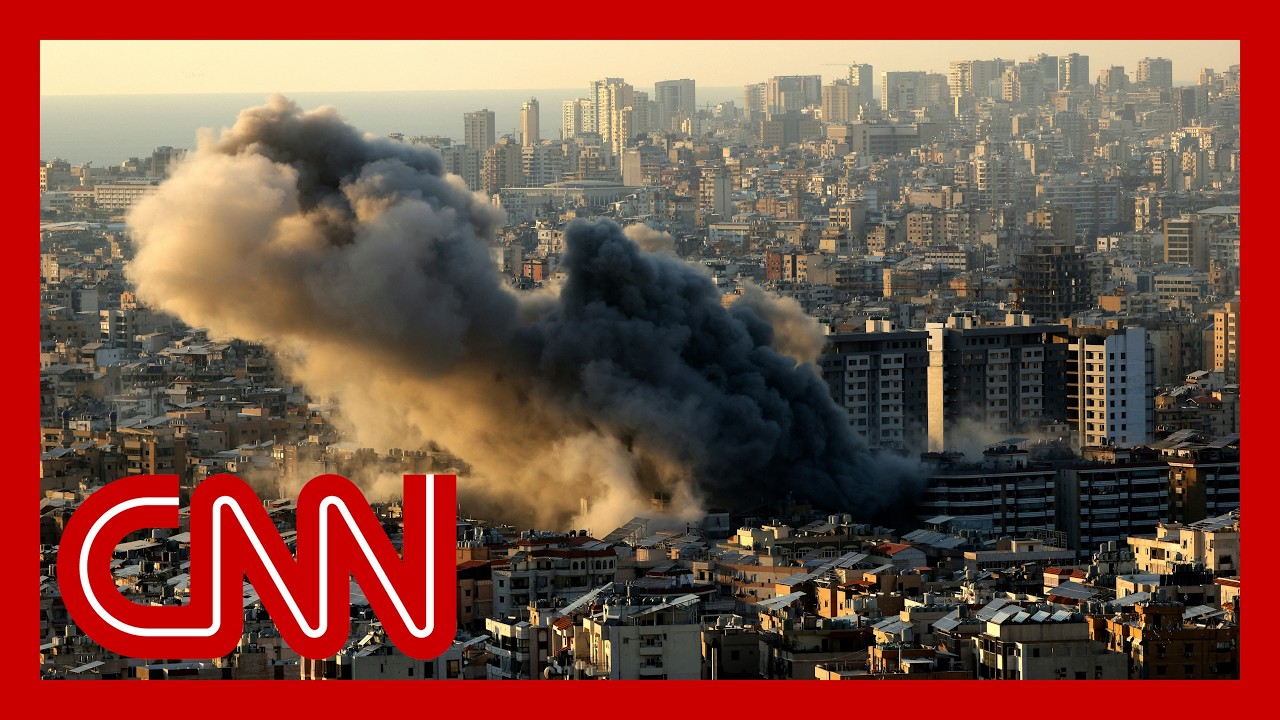
The situation in southern Lebanon is particularly volatile, marked by persistent airstrikes from Israel aimed at Hezbollah. The vicinity has been under constant threat, with sirens often sounding with little warning before rocket impacts can be felt. This continuous barrage highlights the urgent atmosphere of insecurity in the region, with civilian populations living under the constant threat of conflict.
In contrast to the situation on the ground in Lebanon, Israel’s military engagements appear to form part of a larger strategic framework concerning Iran. The Israeli campaign is not solely concentrated on Hezbollah but is intertwined with broader efforts to degrade Iran’s military capabilities. Recent statements from U.S. military leaders, including General Dan Kane, have emphasized the need to dismantle Iran’s military-industrial complex. This effort aims not only to neutralize existing threats but also to prevent Iran from developing nuclear capabilities.
The ongoing aerial operations have reportedly resulted in a staggering human toll; sources indicate over 1,200 fatalities have occurred due to the strikes thus far. This figure underscores the intensity and ferocity of the military confrontation, wherein both sides are locked in a relentless cycle of retaliation and counteraction. As the U.S. administration grapples with formulating a coherent response to this conflict, President Biden has suggested that while operational goals are close to being achieved, the path forward remains uncertain. His statements reflect an underlying desire for a diplomatic resolution, yet Tehran’s aggressive rhetoric complicates the potential for easing tensions.
Iran, emboldened by its historical ties to Hezbollah, continues to respond fiercely to Israeli military posturing. Recent reports have confirmed missile and drone strikes targeting various locations, including the Gulf states, with the United Arab Emirates experiencing significant retaliatory actions. Eyewitness reports indicate that UAE’s military capabilities are under continuous stress, with drones and missiles launched toward its infrastructure. This underscores Iran’s willingness to expand the conflict beyond Israeli borders, further complicating the security landscape in the region.
The military exchanges raise critical questions about the potential consequences of a broadened conflict. While the immediate targeting of military assets offers a strategic advantage, the risks of civilian casualties and widespread destabilization in the region loom large. Continuous alerts and sirens underscore the urgency for civilians to seek shelter, signifying the grim reality of day-to-day life influenced by warfare.
As the violence escalates, regional players remain on high alert. The intricate interplay of military and political maneuvers will likely influence the course of future engagements, demanding careful navigation from all parties involved. It is clear that both Israel and Iran are entrenched in a multifaceted conflict where military objectives are deeply entwined with political aspirations.
The coming days will be critical in determining whether this conflict can be contained or if it will spiral into further regional instability. As international observers watch closely, the hope remains that diplomatic efforts may yet prevail amid the clamor of warfare.