The Troubling Downturn of Trump’s Polling: A Midterm Analysis
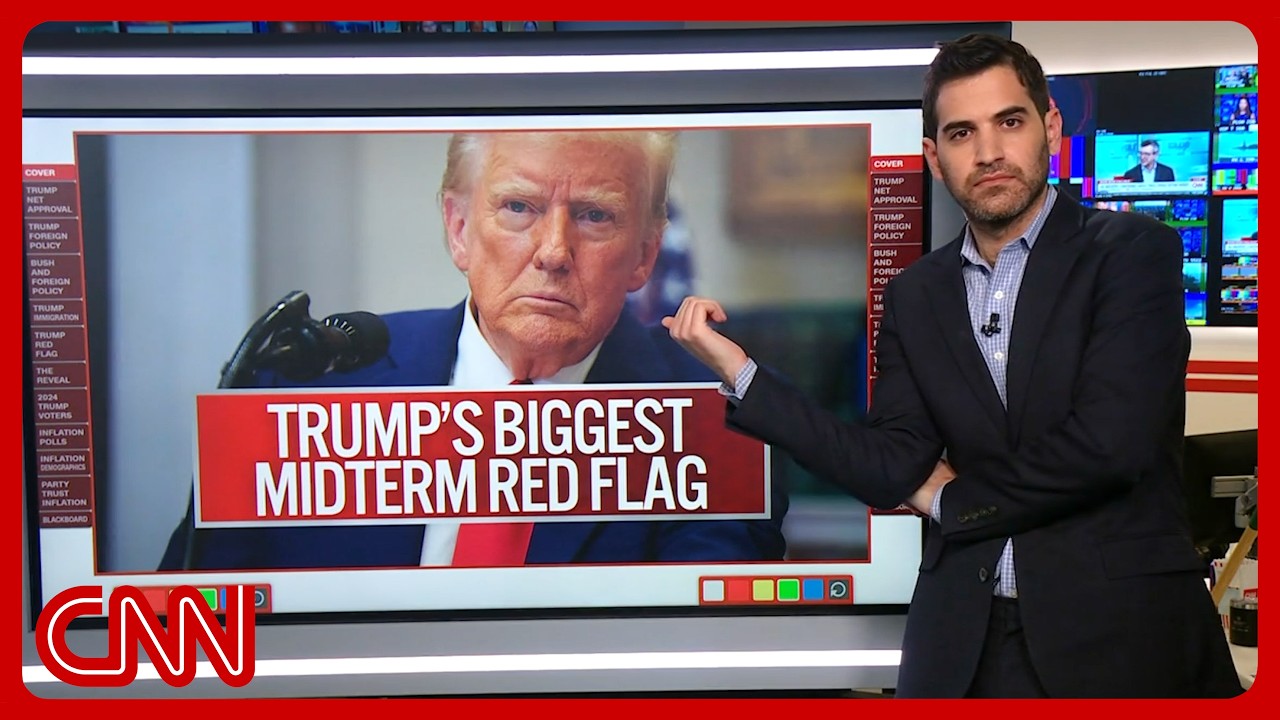
In the ever-evolving landscape of American politics, few figures have been as polarizing as Donald Trump. As the midterm elections approach, polls from various reputable sources—Ipsos, Marquette University Law School, The New York Times/Siena College—paint a concerning picture for the former president. A deep dive into these polling results uncovers what may be Trump’s most significant red flag: a surging disapproval regarding inflation.
To provide context, let’s first examine Trump’s approval ratings. At the start of his second term, he boasted a net approval rating of +6 points. Fast forward to now, and he finds himself a staggering 28 points underwater. This plunge—over 30 points—raises an essential question: What caused this dramatic decline?
Initially, one might speculate that the ongoing conflict in Iran is a contributing factor. Historically, foreign policy has been a critical area of concern for presidents. A glance at Trump’s foreign policy approval ratings reveals a downward trajectory; he fell from a slight positive to a dismal -24 points as of February 2026. However, history tells us that foreign policy is not always detrimental to a presidential candidate’s fortunes. George H.W. Bush, for instance, enjoyed a +17 approval on foreign policy following his success in the Gulf War, yet lost to Bill Clinton in the 1992 election. Thus, attributing Trump’s declining ratings solely to foreign policy overlooks other crucial elements at play.
Next, consider Trump’s views on immigration, an issue that has been a cornerstone of his political identity. Initially, Trump’s net approval rating on this topic was a comfortable +7 points; however, it has since shifted dramatically, even hitting a low of -17 at one point. Interestingly, while his overall approval has waned, his immigration approval seems to have stabilized, currently at -4. This suggests that immigration policy alone is not the primary culprit for his declining approval ratings.
The breakthrough realization comes when analyzing inflation—arguably the most pressing issue in the current political climate. Just a couple of years ago, Trump was seen as more trustworthy than Kamala Harris on economic matters, but that trust has eroded significantly. He is now 51 points underwater, marking a nearly 60-point swing. This stark downturn is alarming, as it indicates that even among his most loyal supporters, confidence is dwindling concerning economic management.
This situation is further compounded by troubling trends among various demographic groups. Recent polling indicates that Trump’s inflation approval ratings are negative across the board, with only a narrow 16-point advantage among "very conservative" voters. Meanwhile, Trump loses trust among Independents and other demographics, with figures showing a calamitous decline in approval ratings.
If these trends continue, they pose severe implications not just for Trump, but for the Republican Party as a whole. In previous election cycles, Republicans have enjoyed a trust advantage when it comes to inflation; however, this cycle marks a historical shift. Current polling suggests that Democrats are now trusted more on inflation, showing an unprecedented 20-point turnaround among Independents, resulting in an overall switch of 50 points from Republican trust to Democratic trust in economic matters.
Looking back, the last time Democrats held such a lead on inflation was in 1978, a year that ultimately culminated in significant losses for the party in future elections. This historical context raises alarms about a potential repeat of that cycle. If voter sentiment does not shift, the implications could stretch far beyond the midterms, affecting the Republican Party’s viability at multiple levels of government.
In conclusion, Trump’s most pressing midterm red flag appears to be inflation. With few signs of improvement in sight, this issue not only threatens his political future but also the broader Republican agenda. As midterms approach, it is imperative for party members to take heed of these trends and proactively address them to maintain their standing in an increasingly skeptical electorate.