John Bolton’s Plea Deal: A Significant Turning Point in National Security Law
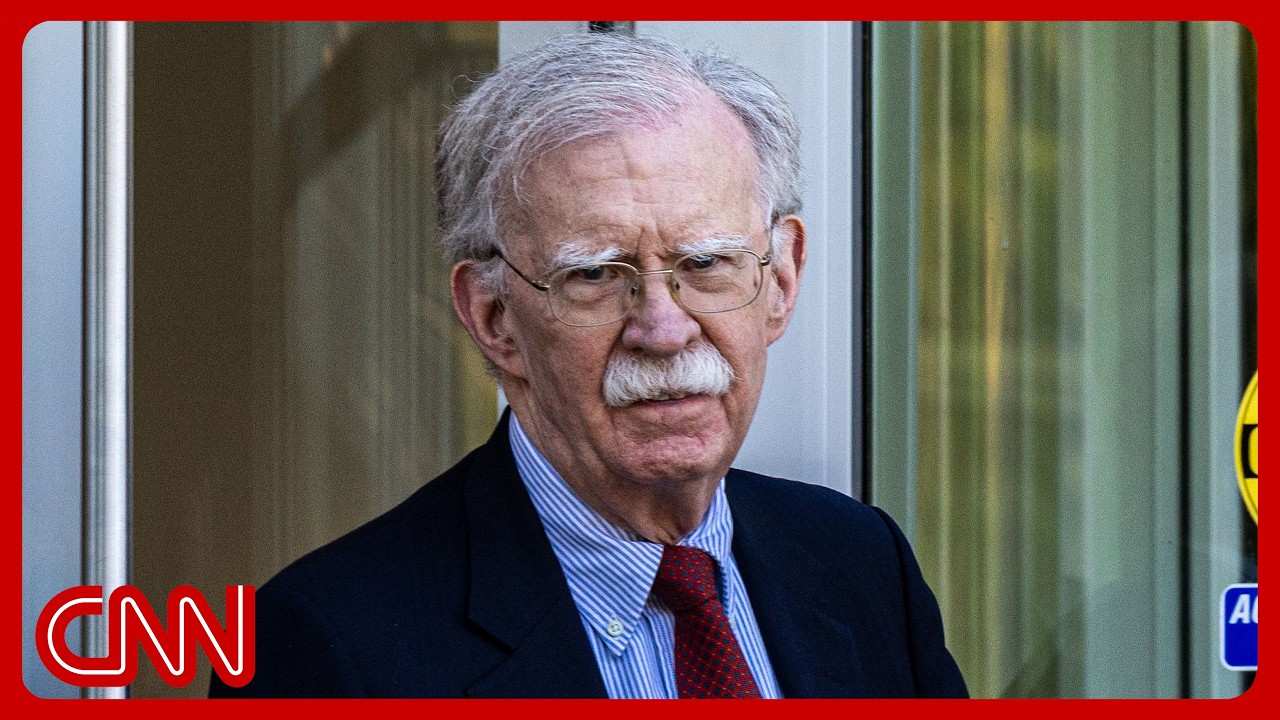
In recent developments, John Bolton, the former National Security Adviser during President Donald Trump’s administration, is poised to plead guilty to charges related to the mishandling of classified documents. This significant legal decision arises from an investigation led by the Biden administration’s Justice Department, marking a distinct moment in the ongoing discourse regarding classified information and accountability.
Bolton’s legal troubles stem from allegations that he improperly retained sensitive national security information, which he collected while serving in the White House. Initial reports indicate that Bolton is expected to plead guilty to one count of the illegal retention of classified material. This differs notably from the numerous charges filed against him earlier—18 in total—which could have resulted in severe penalties, including substantial prison time.
The case was particularly noteworthy because it reflects a robust investigation that began under the Biden administration. The FBI conducted a search of Bolton’s residence last August, uncovering documents marked as secret and confidential. While the Justice Department had previously indicted him, a plea deal has seemingly emerged to minimize legal risks and secure a resolution.
Bolton’s admission of guilt is significant not just from a legal perspective but also from a political one, especially given Donald Trump’s adversarial stance toward Bolton. After firing Bolton in 2019, Trump attempted to obstruct the publication of Bolton’s memoir, which contained critical insights about his tenure. This longstanding feud casts a shadow over Bolton’s current legal situation, as many observers speculate that Trump may see Bolton’s prosecution as somewhat gratifying.
The implications of this guilty plea extend beyond Bolton himself; they reflect broader issues of national security and accountability for public officials. Legal analysts have drawn a clear distinction between Bolton’s case and other perceived politically motivated prosecutions. Unlike those instances, where motives may have been seen as partisan, Bolton’s alleged actions involved the retention and potential dissemination of classified materials, which is inherently a serious crime.
The plea deal may also include a significant financial penalty. The Justice Department could request a fine exceeding $2 million as part of the agreement. Although such financial repercussions are substantial, they pale in comparison to the potential prison time Bolton could have faced if convicted on all charges. The decision to plead guilty seems to be a strategic move to mitigate the consequences of a complicated legal landscape.
Political figures have weighed in on the implications of Bolton’s situation, suggesting that it serves as a cautionary tale for current and future officials. Congressman Raja Krishnamoorthi of Illinois remarked that while Bolton should be held accountable for his legal infractions, the broader context involves how Trump may be employing legal actions against perceived political opponents. This dynamic underscores the complexity of holding individuals in power accountable while navigating the intricate web of partisan politics.
As Bolton prepares for his court appearance, the outcome of this case will likely reverberate through the political and legal spheres. Observers are keen to see how the justice system balances the seriousness of classified information mismanagement against the backdrop of perceived political motivations.
In conclusion, Bolton’s plea deal signals a pivotal moment in the ongoing discussions surrounding national security and accountability in government. As the legal proceedings unfold, they will undoubtedly shed light on the responsibilities of officials in handling sensitive information and the broader implications for political discourse in America. A mere legal battle has morphed into a significant focal point of discussion about transparency, security, and the ethical obligations of those in power. What remains to be seen is not just the outcome for John Bolton but also how this case will influence future engagements in the ever-evolving landscape of U.S. politics.