The Complexities of Political Corruption and Accountability
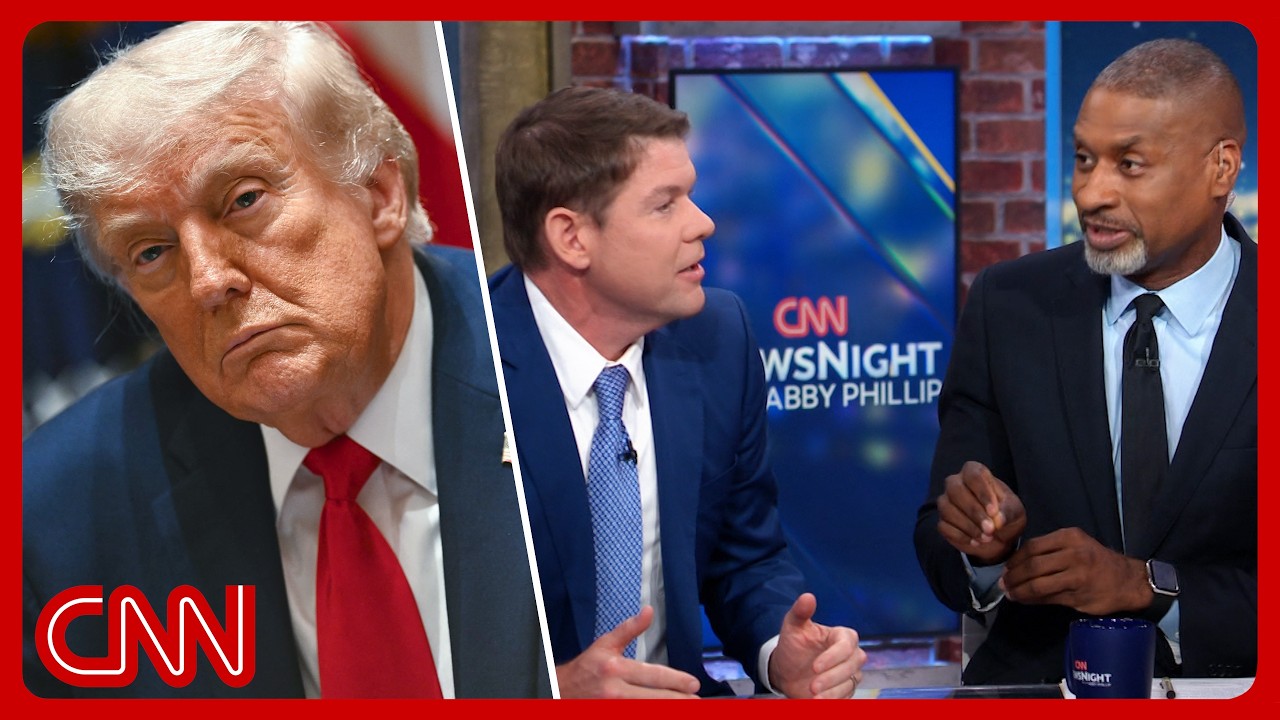
In recent discussions surrounding political corruption, two prominent figures, Donald Trump and Joe Biden, have drawn ire for their alleged wrongdoing. Observers are taken aback by the extent of self-dealing, particularly in Trump’s case, which allegedly includes enriching himself and his family beyond expectation. The sheer scale of these actions raises critical questions about accountability in contemporary politics.
The discourse often includes hypothetical scenarios about accusations—comparing falsely being accused of murder to the lack of accountability facing certain political figures. If someone misuses public trust to enrich themselves, should we not hold them accountable? Many commentators suggest that once suspicions of wrongdoing arise, it becomes challenging to take those in power seriously. This skepticism is amplified by the realization that the conduct exhibited by these leaders has long been established. Trump’s existing behavior as a businessman and public figure fits a narrative that some believe suggests continued misconduct.
Both Trump and Biden have been criticized, though the responses to their actions vary markedly among political factions. There is a pervasive sense of hypocrisy, especially among Republicans, who have long condemned Biden’s family connections and Hunter Biden’s business dealings. Yet Trump’s rapid personal wealth growth and the corporate ventures of his family raise valid questions about the integrity of his presidency. If Republicans were committed to "draining the swamp"—as they claimed in the 2016 elections—it seems a glaring inconsistency to overlook or excuse Trump’s self-enrichment practices.
The figures tossed around are staggering. Reports indicate Trump’s wealth has surged to approximately $6.5 billion, contrasting sharply with the accusations aimed at Biden’s family, which involve millions rather than billions. This raises the issue of selective morality in political discourse. Why is there a disparity in the responses to perceived corruption, varying by which party occupies the White House?
Legal mechanisms like the "judgment fund" allow for certain payouts without direct congressional approval. This funding is grounded in practice but has become contentious. Critics label current interpretations as deviations from its original purpose, suggesting that using taxpayer money to settle disputes related to political misconduct further dilutes accountability. We are left grappling with the question: who controls these funds, and to what end?
Moreover, there is growing concern over actions taken by Trump’s administration regarding the erasure of historical records related to January 6th and its participants. The removal of such information not only threatens the integrity of public records but also raises significant worries about whether the narrative of an event could be manipulated to favor certain political agendas.
As discussions unfold, it is evident that a growing number of Republican lawmakers have expressed dissatisfaction with the direction of their party. Reports imply that many are uncomfortable with the lack of accountability afforded to Trump. While some Republican leaders remain wary of his influence, his base appears increasingly aware of his self-serving motives, underscoring a potential breach between political ambitions and true public service.
Navigating this tumultuous political landscape requires careful consideration of the underlying motives driving these figures. Trump’s previously consistent messaging, regardless of its ethical implications, has resonated with his core supporters, reinforcing a tribal approach to politics where loyalty often outweighs truth. On the opposite side, Democrats face their own conflict over maintaining political integrity while navigating the quagmire of their contradictions.
Ultimately, the pressing challenges we face in achieving accountability and transparency in the political sphere requires an earnest examination of both parties. The ongoing struggle reflects broader societal issues that transcend party lines. As voters gear up for the next election cycle, their decisions will hinge on their perceptions of honesty and integrity in leadership. The complexity of political corruption and accountability should prompt continuous dialogue, as collective scrutiny may usher in a more responsible political era. The road ahead is fraught with challenges, but it is through unwavering vigilance, informed discourse, and an accountable electorate that we might navigate the murky waters of political corruption.