Understanding the Complexities of Law Enforcement Engagement: Insights from U.S. Border Patrol
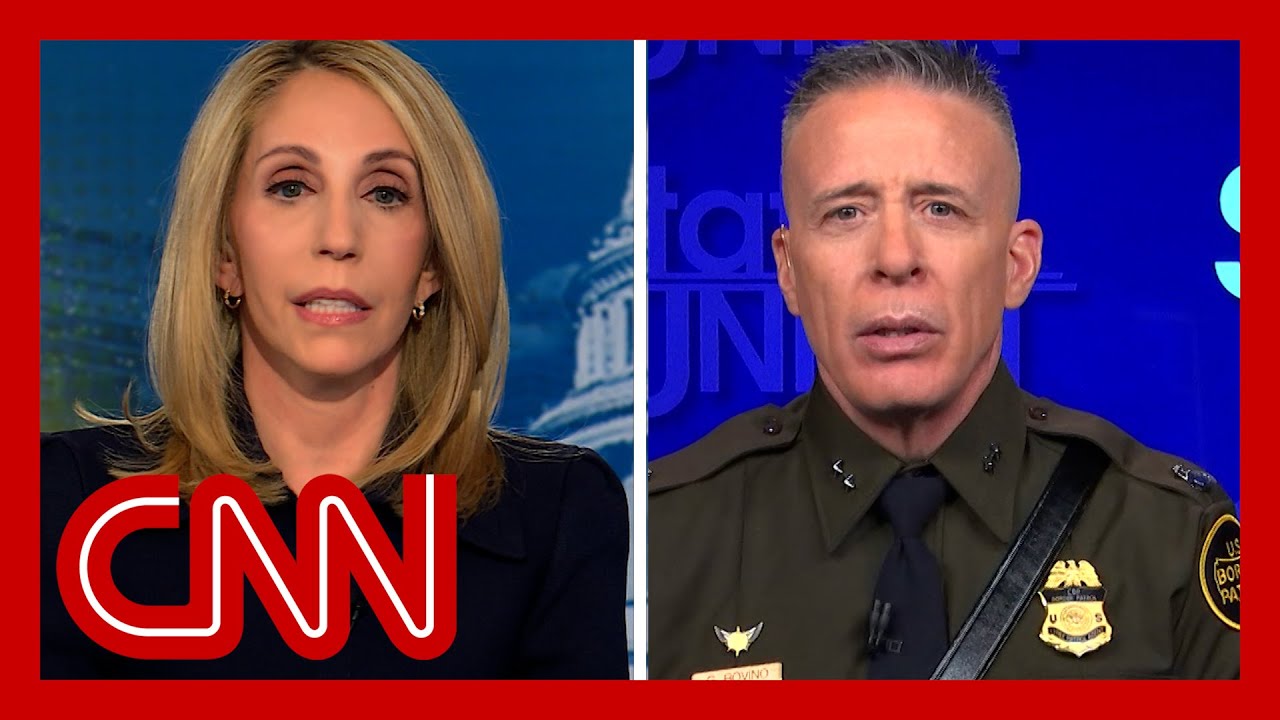
In a recent interview, U.S. Border Patrol Commander Greg Bovino delved into a contentious incident involving Alex Preti, who confronted law enforcement while wielding a 9mm handgun during a chaotic situation. The details surrounding the event remain murky, as conflicting narratives collide in the public discourse.
The crux of the issue lies in whether Preti acted aggressively or merely sought to document the unfolding law enforcement activity. Multiple perspectives have surfaced, particularly regarding the claim made by the Secretary of Homeland Security that Preti was "brandishing a weapon." This characterization suggests a threatening demeanor, yet the evidence available, primarily from various video angles, complicates the narrative. Commander Bovino emphasized that ongoing investigations would bring more clarity, suggesting that assertions made without complete context could be misleading.
During the discussion, Bovino highlighted the chaotic atmosphere law enforcement faced. He described Preti’s presence as an unwilling interruption to a serious law enforcement action targeting a violent illegal immigrant. The implication is that Preti’s actions, regardless of intention, not only posed a risk to law enforcement officers but also injected volatility into an already tense environment. These complexities point to a broader issue: the relationship between citizens and law enforcement during times of crisis, particularly regarding the right to film police actions.
Preti’s choice to film law enforcement may be within his First Amendment rights, yet the nuances of context complicate this assertion. The Commander argued that the individual’s presence in a contentious law enforcement situation could be interpreted as hostile, especially given that it occurred during a riot. He strongly maintained that Preti’s actions led him to "inject himself into a law enforcement scene," which suggests a breach of the unwritten social contract of non-interference during law enforcement actions.
However, the debate continues about whether Preti was an aggressor or acted merely as an observer. Commander Bovino emphasized that law enforcement officers are trained to respond to threats and that the presence of a firearm, even if legally owned, necessitates a prudent and cautious response. Yet this raises challenging questions about the right of citizens to exercise their Second Amendment rights peacefully and the responsibilities that come with them.
Many aspects remain uncertain, particularly regarding Preti’s intentions on that day. Was he there to escalate tensions or merely to document actions he viewed as unjust? Bovino referenced heated national rhetoric, questioning if individuals like Preti might have been influenced by the hostile narratives surrounding law enforcement. The suggestion is that a cultural backdrop of mistrust may have led to preemptive actions by citizens during police operations.
The Commander emphasized the training of Border Patrol agents, highlighting their preparedness for urban policing and diverse operational environments. Nevertheless, concerns linger about the application of such training in real-time confrontations with civilians. In the context of this event, the action taken by Law Enforcement will undoubtedly be scrutinized, particularly with regard to the use of force.
There is an inherent tension in situations where the right to lawfully carry a firearm intersects with law enforcement’s duty to maintain public order. The recent exchange highlights the need for comprehensive investigations that can clarify the sequence of events. The pursuit of transparency could ultimately foster trust between law enforcement and the communities they serve.
As society grapples with such incidents, perhaps the most significant takeaway is not merely the singular event but the broader implications for how law enforcement engages with the public, particularly in moments of crisis. The need for a respectful dialogue, devoid of escalation, is crucial. The fate of lives, be they those of law enforcement agents or civilians, rests upon understanding the deep complexities of such interactions. Through careful investigation and community engagement, perhaps a pathway towards improved relationships can be forged, benefiting all stakeholders in the intricate social fabric of American life.