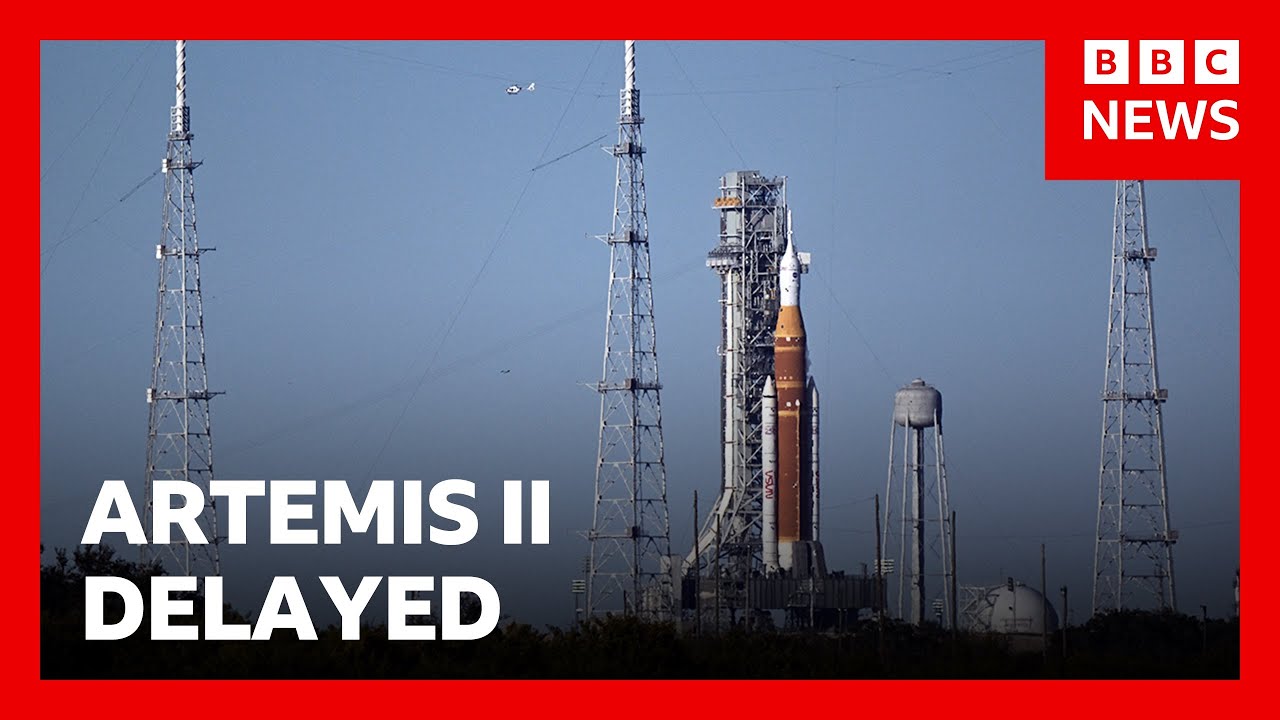
NASA’s Artemis 2 Wet Dress Rehearsal: Key Insights and Challenges
NASA’s recent wet dress rehearsal (WDR) for Artemis 2 marked a significant milestone in the Artemis program, showcasing the integrated stack’s readiness for upcoming lunar missions. The test, conducted on the launch pad, was a critical opportunity to assess systems and processes, particularly regarding fuel loading and other pre-launch operations.
Fuel Loading: Successes and Challenges
The rehearsal began smoothly with the loading of both liquid oxygen (LOX) and liquid hydrogen (LH2). Analysts noted that the initial phases proceeded without significant issues. However, as the LH2 fast fill started around 12:29, a notable leak was detected in the tail service mass unit (TSMU) within the cavity connecting the flight and ground plates. The leak rate was concerning, peaking at around 12-14%, slightly below the acceptable limit of 16% established from previous testing.
The teams promptly implemented contingency procedures, including a "stop flow revert" strategy, which involved temporarily halting fuel flow to assess the leak’s impact. This decision exemplified the emphasis on safety and protocol adherence within NASA’s operational framework. Experts recognized the leak’s similarity to challenges faced during the Artemis 1 mission and believed temperature management could mitigate issues with seals under pressure. Subsequent tests aimed at equalizing temperatures were undertaken to enhance the seal’s performance.
Progress and Key Milestones
Despite these challenges, the teams successfully completed loading both the core and upper stages, reaching an important replenishment milestone around 17:44 local time. Remarkably, this WDR was the first time the core and upper stages were loaded fully from the new 1.4 million-gallon hydrogen sphere, an achievement that showcased improvements made since the previous mission.
The rehearsal also tested the ground launch sequencer’s effectiveness, contributing to assessments of the vehicle’s performance. For the first time, the crew access arm was latched securely into place during a terminal countdown. This accomplishment highlighted significant advancements in ground operations.
Addressing the Hydrogen Leak
The hydrogen leak detected during the rehearsal reignited discussions surrounding the vehicle’s reliability and the complexities associated with cryogenic fuels. During the post-rehearsal briefing, NASA officials emphasized the lessons learned from Artemis 1, detailing rigorous tests carried out on seals and components. Although assurances were given regarding modifications implemented post-Artemis 1, the recurrence of leaks raised concerns regarding the integrity of pre-launch protocols.
NASA’s approach has always been to treat each test as a unique learning opportunity. This philosophy is especially relevant when analyzing the variable behaviors of hydrogen under extreme conditions. Inquiries related to why certain issues caught the team off guard prompted discussions about the complexity of environmental factors and the challenges of simulating all conditions realistically.
Future Considerations
Looking ahead, the teams face a prolonged analysis of the data gathered during the rehearsal to plan the next steps. While there was an initial target to reach a launch window immediately following the rehearsal, the focus has shifted to addressing the risks presented by the hydrogen leak.
Officials confirmed that necessary preparations could be completed at the pad, thereby avoiding a rollback to the Vehicle Assembly Building (VAB). This access enhances the operational flexibility of the Artemis program, ensuring that necessary modifications can be implemented expeditiously.
Conclusion
Despite the hydrogen leak incidents that shadowed the WDR for Artemis 2, the overall assessment has leaned towards being optimistic. The ability to adapt and refine procedures in real-time speaks to NASA’s rigorous approach to human spaceflight. While the technical challenges continue to pose significant hurdles, lessons learned from past missions, coupled with innovative solutions, provide a robust pathway as NASA strives to return humans to the Moon and prepare for future crewed missions to Mars. As factors such as the timeline for Artemis 3 come into focus, careful analysis and adjustment will remain critical to ensuring mission success.