The Release of Jeffrey Epstein Investigation Documents: A Complex Unveiling
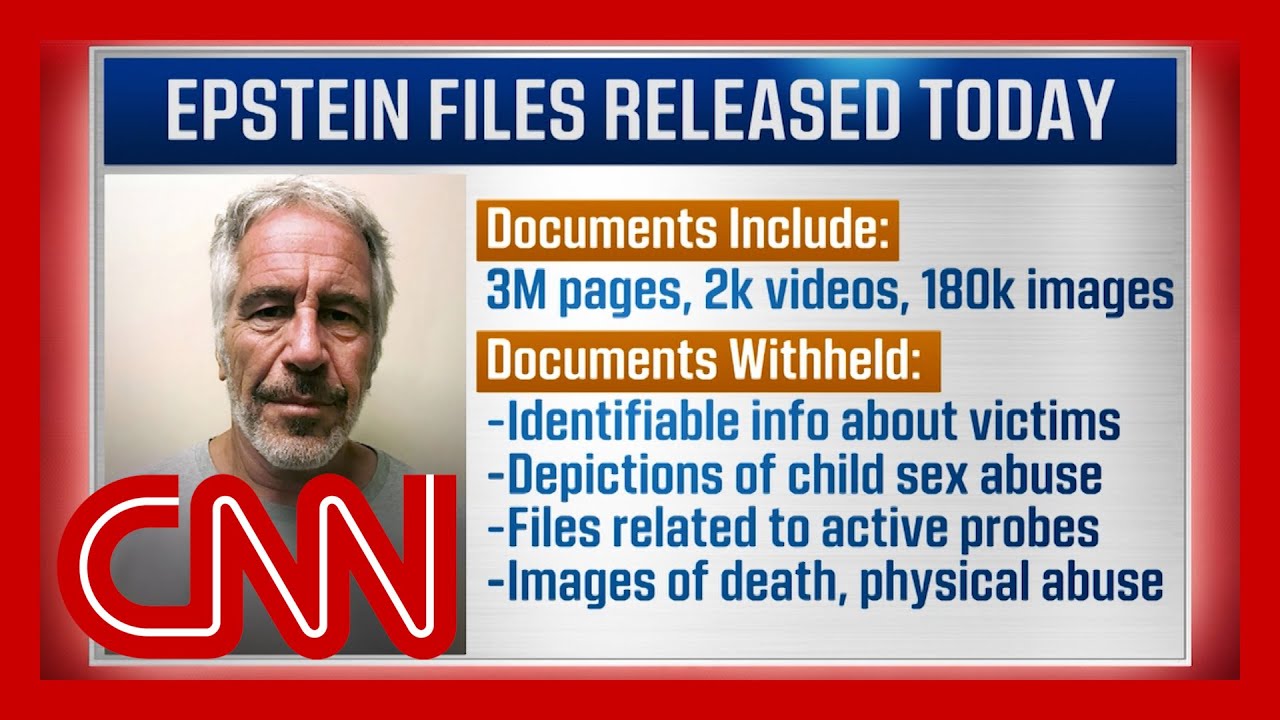
The Department of Justice (DOJ) has recently made significant strides in transparency by releasing the remaining documents from the Jeffrey Epstein investigation. Deputy Attorney General Todd Bland announced the disclosure, stating that more than 2,000 videos and over 180,000 images would be published throughout the day, although access to some explicit materials will require age verification. This release comes after years of advocacy from Epstein’s survivors who have long pushed for the disclosure of these documents. Their persistent pressure, combined with a law passed with near-unanimous support in Congress, has finally led to this moment.
Epstein’s survivors have endured unimaginable suffering, and the release of these documents is, in part, an effort to provide some closure. During the announcement, Bland acknowledged the frustration that many victims continue to feel. The DOJ aimed to provide clarity and justice, which may have been sorely lacking in the wake of Epstein’s crimes.
As the investigation unfolded, speculation focused on various high-profile figures, including former President Donald Trump. CNN correspondent Evan Perez revealed that the FBI had compiled a list of allegations against Trump as early as August, some of which dated back decades. However, the validity of these allegations remains in question. Many are unverified and stem from second- or third-hand accounts, as outlined in FBI "302s," which are essentially witness statements. This complexity reflects the nuanced nature of investigations, particularly involving figures of such prominence.
Epstein and Trump were known to have a close friendship at one point, although they reportedly fell out in later years. Trump has consistently maintained his ignorance regarding Epstein’s illegal activities involving underage girls. The current release of documents is staggering, amounting to approximately 3.5 million pages. So far, the process has not been without complications; documents have reportedly been redacted or removed after their initial posting, signaling potential oversight issues.
Among the released documents are numerous references to other influential individuals, including former President Bill Clinton, who also appears frequently in the files. Allegations surrounding him, as well as comments from his former White House counsel regarding Epstein, paint a complex picture of political entanglement. This is indicative of the network surrounding Epstein, a man who moved comfortably within elite circles.
However, amidst the thorough release effort, troubling reports have surfaced about the handling of victims’ identifiable information. Survivors have claimed that their names appeared unredacted in the released documents, despite explicit assurances from the DOJ that such information would be safeguarded. Eric Fidali, an attorney representing multiple accusers, was vocal about his concerns. He argued that the current level of oversight is inadequate, allowing for potential breaches of privacy. The CDC has cited attorney-client privilege and ongoing investigations as reasons for certain redactions, yet Fidali emphasized the murky nature of these justifications.
For many, this raises questions about the integrity of the release process itself. Fidali described the situation as a mix of incompetence and an apparent effort to cover up crucial information. This perplexing duality adds yet another layer of complexity to understanding the DOJ’s approach to this high-profile case. The incidents of unintentional disclosures have left both legal representatives and victims feeling frustrated and disillusioned.
What is abundantly clear is that there remains significant public interest in these documents. Bipartisan support in Congress underscores the urgency for transparency. Yet, Fidali astutely notes that the DOJ did not require legislative authorization to release these documents, prompting speculation about possible obstruction from other entities, including the current administration.
For the survivors of Jeffrey Epstein’s heinous actions, this ongoing saga is not merely about avenging past wrongs; it is also about ensuring their stories are told and protected. The full scope of the DOJ’s investigations, the implications of political ties, and the overall handling of these crucial documents will likely continue to unfold in the days and weeks ahead. As more information emerges, the demand for accountability within this convoluted narrative only grows stronger, underscoring the need for vigilant scrutiny of both legal processes and institutional protocols.