Ontario Police Services Under Review: An Examination of Corruption
In a significant move aimed at restoring public trust, Ontario’s Inspector General of Policing has initiated a comprehensive review of all police services across the province, responding to mounting concerns about corruption within the force. This follows the criminal charges against eight current and former Toronto police officers as part of "Project South," a sweeping investigation that has raised alarm bells about organized crime infiltrating law enforcement.
Ryan Teshner, Ontario’s Inspector General, characterized organized crime as an insidious force undermining public confidence in police. The review, which will scrutinize the operational frameworks of the province’s 45 police services, seeks to identify weaknesses and potential institutional failures that could facilitate corruption. Teshner emphasized that this proactive initiative aims to detect any signs of law enforcement officers straying into criminal activity before such issues escalate to the point of criminal charges.
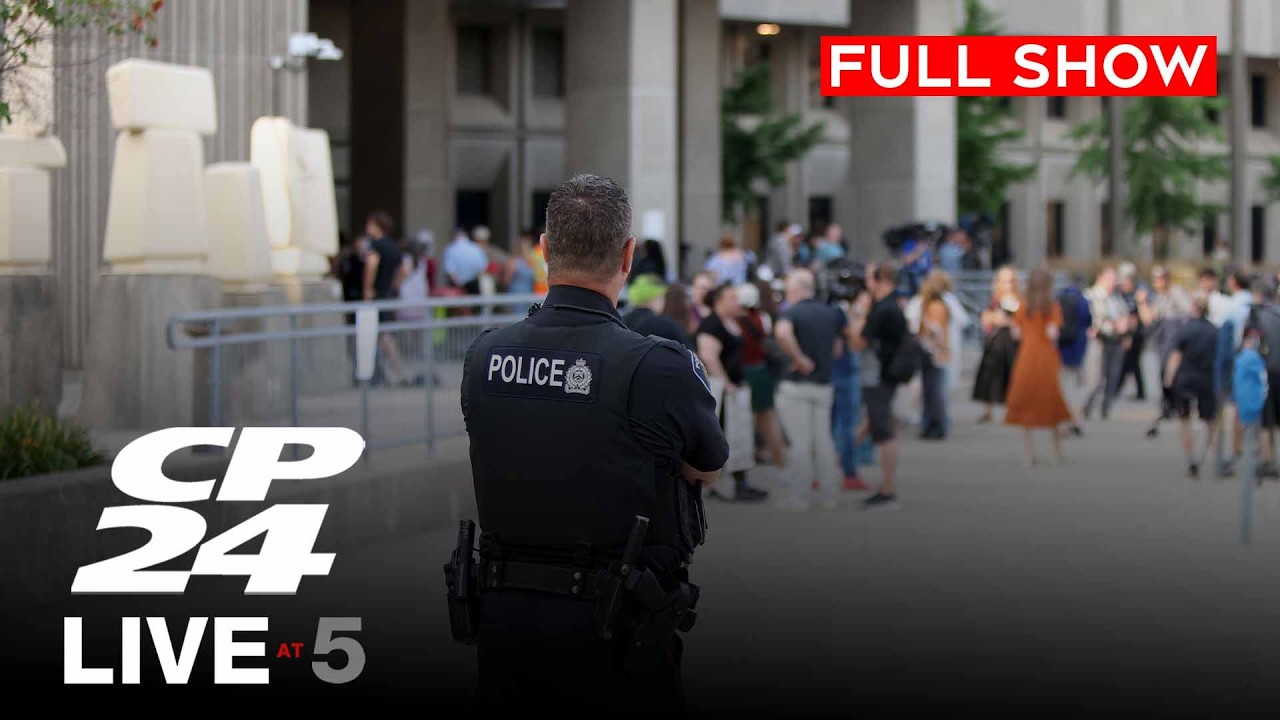
In a recent broadcast, CP24’s crime analyst Steve Ryan elaborated on the scope of the inquiry. Teshner has designated a lead investigator to oversee the review and implement systemic changes in policies and procedures across all police services. Ryan noted that this review is not merely an external audit; it focuses on internal mechanisms, ensuring the identification of risk factors that can alert authorities when officers might be crossing ethical lines.
Concerns about the impacts of this investigation extend beyond institutional integrity. Morale within the police force has started to diminish, especially in light of the allegations against some of their own. Chief Myron Dempci of the Toronto Police Service acknowledged the emotional toll these events have on officers committed to their duty of upholding the law with honor and integrity. "We follow each other down dark alleys, not luring each other into danger," he remarked, encapsulating the camaraderie that officers expect amongst themselves.
The Inspector General’s authority is significant, deriving from the Community Safety and Policing Act. This empowers the office to mandate changes, not just recommend them, ensuring that non-compliance is not an option. Chief Dempci and the chair of the Toronto Police Services Board, Shelley Carroll, have expressed their support for this provincewide investigation, viewing it as an essential step towards a more transparent and accountable police force.
While the investigation is framed as a necessary measure for enhancing governance and maintaining the integrity of law enforcement, concerns have been raised about the potential implications for frontline officers, the majority of whom maintain a high standard of professionalism. The Toronto Police Association has welcomed the review but cautioned against inadvertently penalizing the dedicated officers who serve on the front lines.
As the investigation unfolds, the issue of public trust remains paramount. Transparency and clear communication from police leadership will be crucial in navigating this tumultuous period. Chief Dempci has committed to implementing changes swiftly, understanding that the timeline for the Inspector General’s recommendations could extend for months, if not longer. However, he is already taking action, reorganizing the supervisory structure within the Toronto Police Service to mitigate the risk of further misconduct.
In the meantime, the ongoing search for 90-year-old Joseph, who has been missing for nearly two weeks, underscores the urgency of community engagement with law enforcement. The police have made appeals to the public for assistance, reflecting a dual commitment to addressing both immediate community issues and broader systemic challenges within the department.
In conclusion, as Ontario embarks on this thorough review of police services, the overarching goal remains clear: to safeguard public trust while fostering a culture of accountability and integrity within law enforcement. The findings from this inquiry will be vital in shaping future policies that ensure police services are not only effective but also deserving of the community’s confidence. In a landscape where trust has been shaken, the path towards rectification has become both a necessity and a mandate for police forces throughout Ontario.