Unraveling a Conspiracy: The Attempted Murder of a Corrections Officer
In June 2025, a shocking conspiracy emerged in Ontario, drawing attention to the darker undercurrents in our correctional system. Authorities uncovered a chilling plot to murder a member of corrections management at a local institution. This investigation revealed not only the severity of the threat but also how deeply embedded the issues surrounding safety and security remain within correctional facilities.
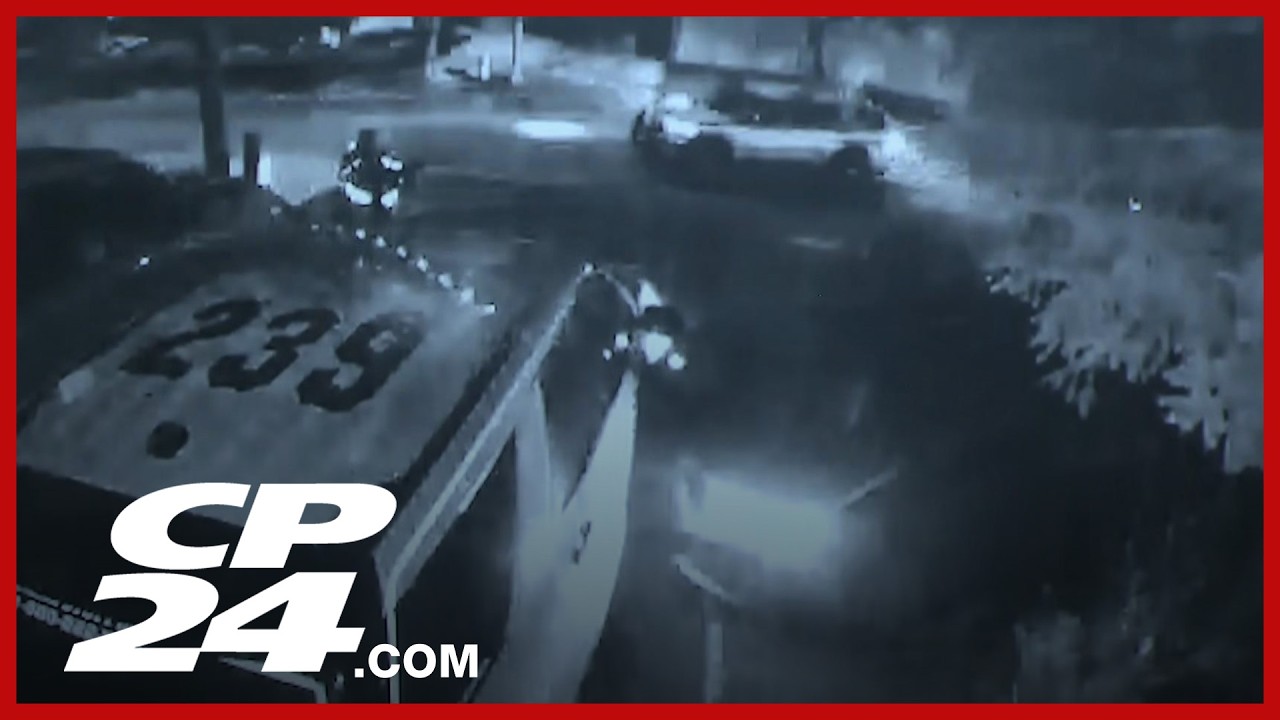
Over a tumultuous 36-hour timeframe, multiple individuals allegedly converged at the officer’s home in York Region, presumably intent on carrying out the assassination. Surveillance footage captured the harrowing moment when three masked men, armed with a loaded handgun, attempted to execute their plan. They rammed into a police cruiser parked in the driveway, illustrating a blatant disregard for both life and law. The scene was chaotic, as the police officers on duty quickly sprang into action.
Eyewitness accounts noted the tension as law enforcement personnel engaged with the suspects. Emergency responders coordinated their efforts as they noted the escalating risk. “I had two cars in front of them just wandering down the middle of the road,” one officer reported, highlighting the confusion engulfing the situation. With cars approaching from behind and the suspects evasively maneuvering, officers swiftly strategized how to contain the men and neutralize the threat.
The urgency of the officers’ response was palpable. “Those are our vehicles. Let’s take them down right now,” another voice urged, emphasizing the critical nature of the moment. This was about more than just a standard police operation; it was a race against time to protect not only the targeted officer but also the surrounding community.
As the situation unfolded, the officers on the scene established containment around the suspects, trying to minimize any potential harm to bystanders. “I have not seen anyone get out the passenger side, and I haven’t seen anyone run around the houses. I have containment in the back,” one officer relayed, demonstrating their attention to detail amid the chaos. This careful management of the scene reflects the dedication and professionalism inherent in law enforcement.
The entire incident raises pressing questions about the safety of correctional officers and their families. As the investigation continues, it serves as a grim reminder of the challenges faced by those working within the correctional system. Their roles, often underappreciated, come with inherent risks that can extend beyond the prison walls.
What motivated the suspects remains unclear, but the incident has sparked necessary discussions about violence against those serving in corrections. The nature of their work sometimes breeds animosity, and instances like this underscore the need for heightened security measures and support systems for officers.
As we reflect on this alarming event, it is vital to recognize that the safety of correctional officers is a community issue. The threats they face can reverberate throughout the public. Addressing these challenges requires robust intervention strategies, including better training, resources, and support for those in such precarious positions.
In the aftermath of this incident, authorities are likely to reassess protocols related to the protection of corrections staff and their families. Lessons drawn from real-life situations such as this can inform future policies, aiming to mitigate violence and enhance security.
As the investigation into this conspiracy unfolds, the community, law enforcement, and correctional institutions must come together to confront the underlying issues that facilitate such criminal behavior. Enhanced vigilance, community awareness, and inter-agency cooperation are crucial components in safeguarding both the officers at risk and the integrity of the correctional system.
Through proactive measures and open dialogues, we can hope to create a safer environment for all involved, ensuring that those who dedicate their lives to maintaining order and rehabilitation in our society feel secure in their essential roles. The stakes are high, and the need for reform has never been more apparent.