The Complex Dynamics of US-UK Relations Amid Trump’s Controversial Statements
The relationship between the United States and the United Kingdom has long been characterized as a "special" one—an enduring alliance built on shared history, values, and mutual defense. However, recent comments from former President Donald Trump have sparked a contentious debate about the reliability of this relationship and the implications of his controversial statements.
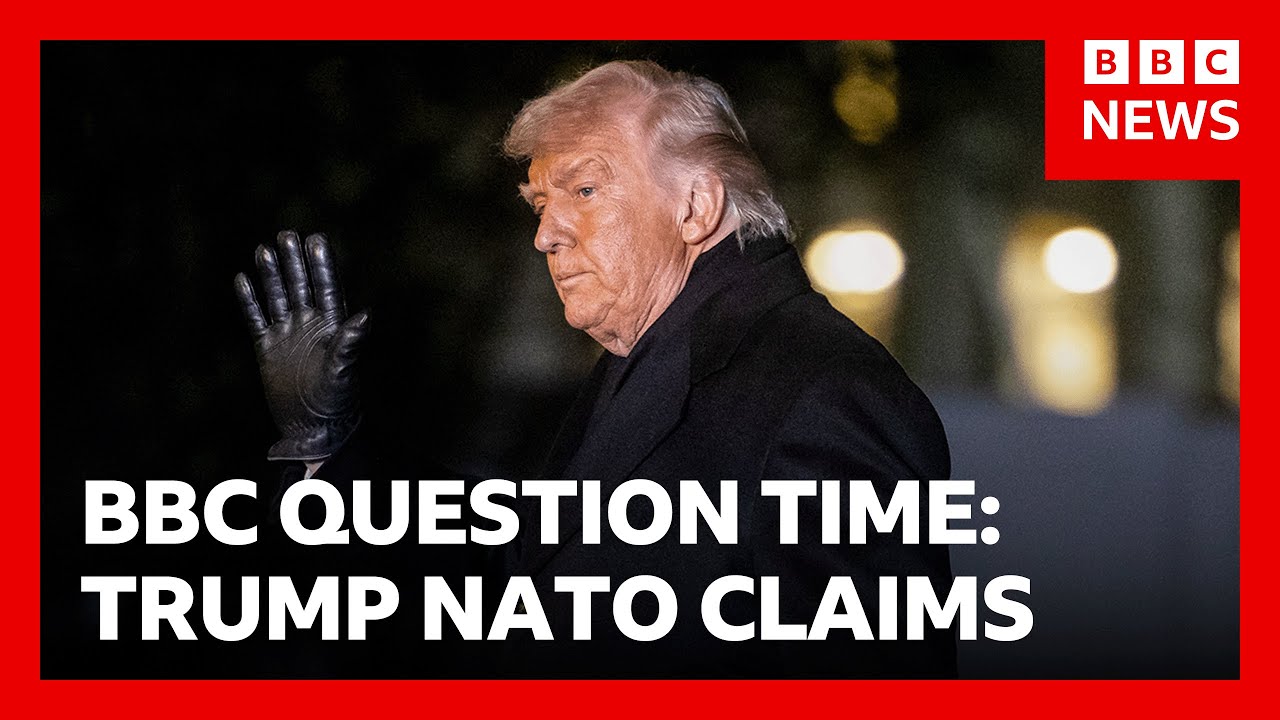
In the realm of international politics, the stakes are high. Trump’s remarks—particularly his assertions regarding NATO’s role in supporting the US and his allegations of allies holding back in combat zones like Afghanistan—have been met with strong rebuke from various quarters. Critics argue that such comments not only misrepresent the sacrifices made by allies but also undermine the solidarity essential for effective collective defense.
One of the most pointed responses came from Emily, a commentator who articulated deep anger over Trump’s dismissive remarks. "It’s an absolute insult to 457 families who lost someone in Afghanistan," she stated emphatically. The weight of her words underscores the emotional burden borne by veterans and their families, reminding audiences of the grim realities of war and sacrifice.
Contrasting opinions emerged during discussions. Greg, another commentator, attempted to defend Trump’s inconsistent rhetoric, suggesting that while Trump may lack precision in his language, his aim to strengthen NATO by demanding increased defense budgets from European allies is, in principle, valid. He acknowledged that many NATO countries have historically underfunded their defense, posing a systemic challenge. “You might not like the delivery,” he noted, “but the argument is a good one.”
This line of thinking raises broader questions about the nature of leadership in a multilateral context. While advocating for increased military spending may have merit, it comes at a potentially high diplomatic cost. Critics warn that Trump’s approach, marked by threats of tariffs and aggressive posturing, is likely to alienate allies rather than solidify partnerships.
Emily countered that the method of delivery is indeed critical. "We have always been there," she insisted, referring to the historic cooperation between the UK and the US. Her reflection on having interacted with American military personnel highlighted the affection and respect they hold for British troops. "How dare he say we weren’t on the front," she remarked, stressing disbelief in a commander-in-chief who has not experienced combat but carries executive power.
The discourse further evolved as veterans interacting with the discussion voiced their concerns. One ex-soldier shared poignant memories from his service in Iraq, asserting that Trump’s comments are more than mere mistakes—they are deeply hurtful and provoke anger among those who have served. His perspective emphasizes the human cost intertwined with geopolitical discourse.
Amidst this contention, another participant emphasized the importance of unity among NATO countries. Engaging with the reality of a dynamic and often tumultuous geopolitical landscape, he conceded that while Trump’s actions might provoke dissatisfaction, they may also catalyze NATO member states to reassess their commitment to defense spending. This paradox illustrates a complex interplay of fear and accountability within multinational relations.
Yet, the palpable frustration remains centered on whether fostering a "special relationship" with a leader like Trump is warranted. Critics insist that appeasement will not yield stable outcomes. "Who needs enemies when you’ve got friends like Donald Trump?" echoed the sentiments of a dissenting voice, capturing a belief that the UK must recalibrate its foreign policy to ensure dignity and respect in international relations.
In summation, the conversations surrounding Trump’s remarks about NATO and the UK’s military relationship reflect broader anxieties about trust, respect, and mutual commitment. While some may argue that his bluster serves a strategic purpose, many fear it endangers the very fabric of international alliances that have stood the test of time. As geopolitical tensions rise, this dialogue is vital in shaping policy and defining what it means to maintain a meaningful partnership. The world watches closely—seeking clarity on the path forward.