In May, the employment landscape in the United States experienced a notable shift, marked by a substantial rise in layoffs. According to Challenger Gray and Christmas, an outplacement firm, US-based employers announced around 97,000 layoffs, representing a staggering 16% increase from April. This figure marks the highest total for the month of May since 2020, underscoring a significant tightening of the job market during a period that was once characterized by widespread economic disruption due to the COVID-19 pandemic.
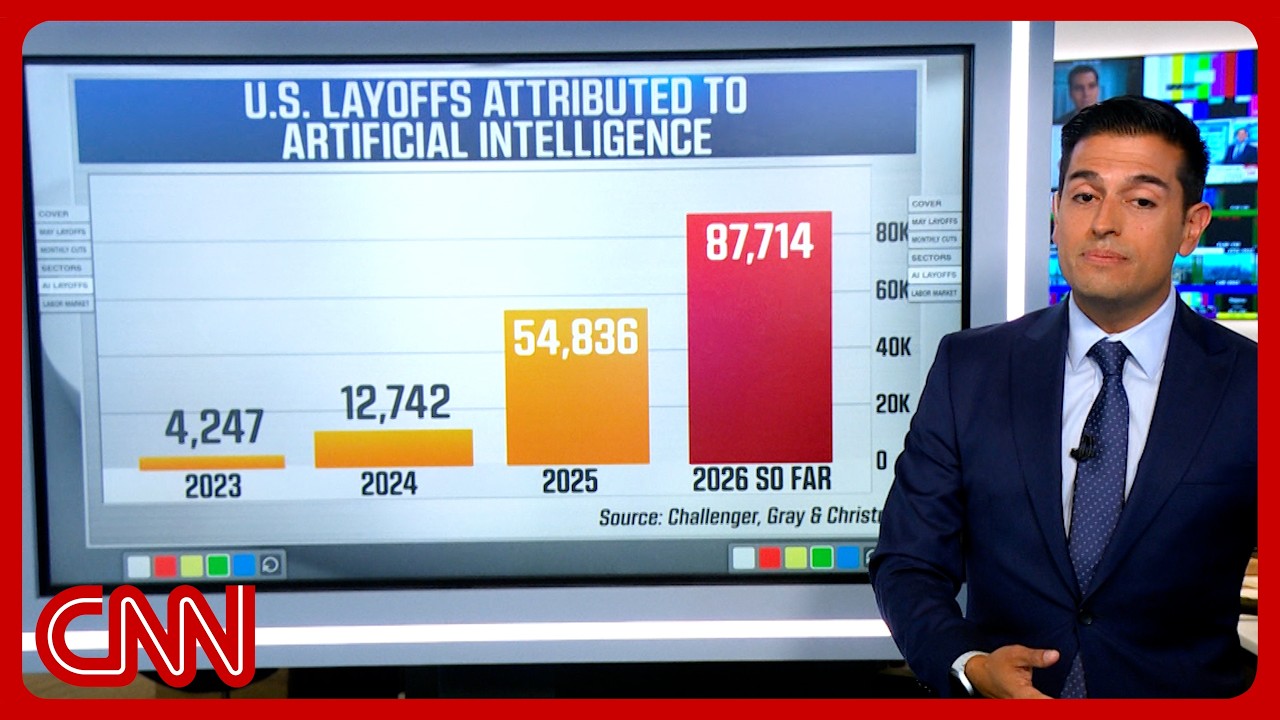
The layoffs were particularly prominent in sectors that have increasingly integrated artificial intelligence (AI) into their operations. For instance, industries such as pharmaceuticals, finance, and particularly technology reported thousands of job cuts, but tech stood out with nearly 40,000 layoffs—a figure that reflects not only industry trends but also evolving business strategies. Remarkably, AI was cited as the leading reason for these layoffs for the third consecutive month, indicating a troubling trend. Nearly 90,000 layoffs this year have been attributed, at least in part, to AI, surpassing last year’s total despite the fact that we are only a few months into 2023.
This situation raises critical questions about the motivations behind these layoffs. Are companies genuinely attributing job cuts to the implementation of AI, or are they deflecting blame from lagging sales? Goldman Sachs has reported minimal impact from AI on the labor market thus far, highlighting a disconnect between industry narratives and economic realities. Despite significant job losses, other indicators of economic health paint a more nuanced picture. For instance, jobless claims remain low, job openings have rebounded to a two-year high, and private hiring surged in May, suggesting that, while layoffs are significant, they are not universally indicative of a deteriorating job market.
At the same time, the conversation surrounding AI has entered a contentious arena, as evidenced by a landmark lawsuit initiated by the state of Florida against OpenAI. This lawsuit alleges that ChatGPT poses substantial risks to children, claiming that the AI tool has facilitated dangerous behaviors, such as suicide and mass shootings. This legal action is distinctive not only for targeting OpenAI but also for naming CEO Sam Altman personally and alleging negligence in prioritizing profit over safety. Florida’s aggressive stance sets it apart from other states, especially given the potential implications for AI regulation and the responsibilities of technology companies.
OpenAI has responded to the allegations by asserting that it has developed robust safety measures aimed at protecting minors using their products. They emphasize the introduction of features designed to enhance user safety and parental oversight, aiming to mitigate concerns over misuse. However, the lawsuit argues that these protections fall short, drawing attention to potential loopholes and the inadequacy of age verification mechanisms.
As discussions about AI regulations intensify, Altman’s high-profile meetings in Washington serve as a testament to the urgent need for a balanced approach to governance in the AI space. He is set to engage with policymakers on issues surrounding safety, cyber capabilities, and the implications of recent executive orders designed to tighten cybersecurity regulations. The conversations aim to address both the potential benefits and the risks associated with advanced AI models.
Moreover, the impending IPOs of companies like OpenAI and competitors such as Anthropic raise further complexities in the evolving economic landscape. Analysts speculate whether the market can absorb multiple high-profile IPOs simultaneously, especially given the immense pre-IPO capital these firms bring. Investors are keenly watching how these companies will navigate both market demand and regulatory scrutiny as they prepare for public entry.
In conclusion, the interplay between layoffs, AI adoption, and emerging regulations forms a complex narrative in the current job market. While layoffs reach alarming figures, the broader economic indicators suggest a less dire outlook. The ongoing developments in AI litigation and regulation will undoubtedly play pivotal roles in shaping both the future of employment and the trajectory of one of the most rapidly evolving sectors in technology. As the government grapples with these challenges, the coming months will be crucial for establishing a framework that adequately balances innovation with safety and responsibility.