The Significance of the Rafa Border Crossing: A Gateway to Gaza’s Future
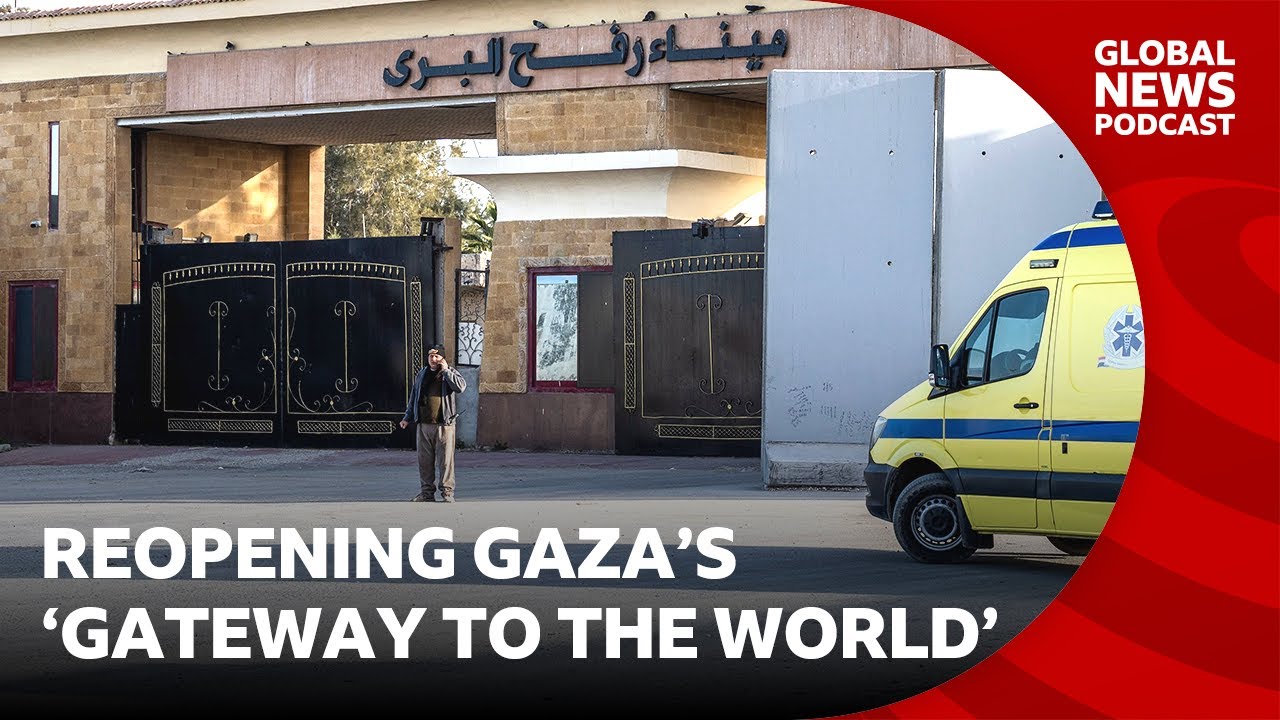
The reopening of the Rafa border crossing between Gaza and Egypt marks a pivotal moment in the ongoing geopolitical landscape of the region. Often referred to as Gaza’s "gateway to the world," this crossing represents far more than just a point of entry; it is a symbol of hope and potential for many in Gaza. For the past two years, Israel has largely kept the crossing closed, casting a shadow over the lives of tens of thousands of Palestinians who desperately seek medical treatment, education, or the chance to reunite with family members.
As Yolan Nell, BBC’s Middle East correspondent, explains, the Rafa crossing is one of five points of access that Gaza possesses, but it is the only one that connects to Egypt rather than Israel. Over the years, Gazans have aptly described it as their lifeline. This perception underscores the crossing’s importance not only in terms of physical movement but also in restoring a sense of agency for a population that has often felt marginalized in their own homeland.
The reopening of the referral crossing was part of a broader peace initiative, specifically included in President Trump’s marquee peace plan for Gaza. As it stands, only a limited number of individuals will be able to cross initially—approximately 50 people requiring medical evacuations along with one or two caregivers each. Furthermore, around 50 Palestinians in need of returning to Gaza will be allowed entry from Egypt. Such restrictions highlight the challenges that permeate the humanitarian landscape within Gaza, where emergencies are critically intertwined with political and security concerns.
The regulatory framework for crossing has been set in place but remains under stringent control by both Israeli and Egyptian authorities. Those wishing to pass through the border will undergo rigorous security checks, a process that undermines the urgency many feel. Despite the reopening, immediate access to much-needed aid has yet to be facilitated directly from Egypt into Gaza. Such bureaucratic hurdles not only impede recovery efforts but also exacerbate feelings of frustration among those waiting to leave or enter.
The initial phase of the peace plan involved a complex exchange: Israeli hostages in exchange for nearly 2,000 Palestinian prisoners. With the slow retrieval of hostages’ remains, the process has experienced setbacks, delaying the crossing’s opening. The recent retrieval of the last Israeli hostages has allowed for the unveiling of this crucial mechanism, yet it raises the specter of further complications.
Looking ahead, one might wonder what awaits in the subsequent phases of the peace plan. While some may perceive the opening of the Rafa crossing as a victory, it is essential to acknowledge that the path forward is laden with complications. As Nell notes, Washington has declared that phase two is already underway, tackling sensitive issues such as disarming Hamas and the appointment of a Palestinian technocratic committee to oversee Gaza’s reconstruction. However, the committee’s operational rollout remains unclear, and the international community has yet to finalize an stabilization force, further complicating future endeavors.
These challenges are exacerbated by an apparent waning of global focus on the Gaza situation. If international attention shifts, the condition on the ground may deteriorate, creating a vacuum that could be exploited by various factions, including Hamas. Despite the ambition of current plans and the commitment from Gulf countries, the intertwining of conflicting interests and priorities leaves many in Gaza apprehensive.
Amidst these geopolitical machinations, the situation remains fluid. The ceasefire, while in place, has been marred by sporadic violence, leading some to refer to it as a "reduced fire" rather than a true cessation of hostilities. With reports of fatal encounters between Israeli forces and Palestinians, apprehension persists among the populace. As they remain vigilant, commentators and journalists endeavor to keep global attention fixed on this pressing issue.
As the situation unfolds, hope may flicker like a candle caught in a storm—delicate yet perceptible amongst the chaos. The reopening of the Rafa border crossing may symbolize a tentative step toward a more stable future for Gaza, but it also illustrates the enduring complexities that define this multifaceted conflict. The international community must continue to engage and advocate for a durable solution, even as other crises demand attention elsewhere. The stakes are high, and the road to recovery lies ahead, fraught with both promise and peril.