The Iran Conflict: A Complex Landscape of Military Actions and Human Impact
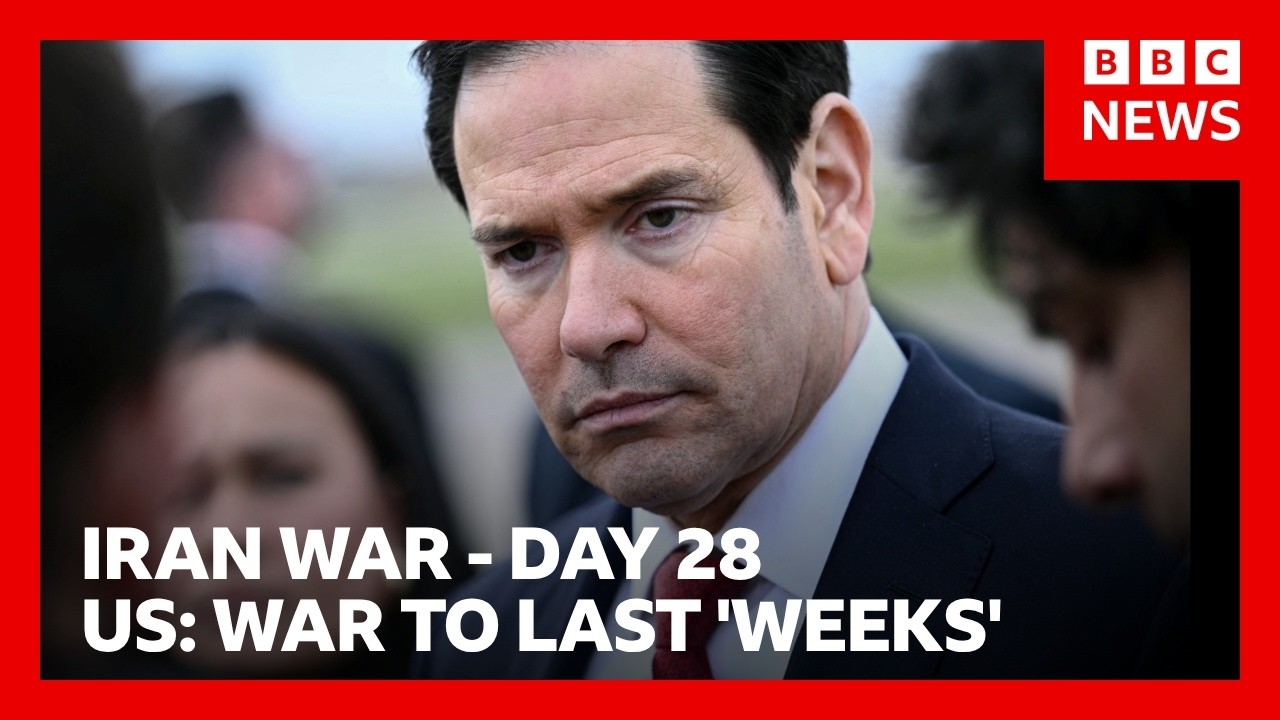
The United States-Israel war against Iran has now entered its fourth week, with developments that are reshaping geopolitical dynamics and upending global markets. On day 28 of this ongoing conflict, U.S. officials, including Secretary of State Marco Rubio, assert that they are on the brink of achieving their war aims. Rubio optimistically predicts the operation may conclude in weeks rather than months, even as troop deployments continue to escalate in the Middle East.
Adding to the military presence, the White House is reportedly considering an additional 10,000 troops to bolster operations against Iran. This increase coincides with President Trump’s announcement that indirect negotiations with Tehran are progressing favorably. In a striking move, he has delayed plans to initiate strikes on Iranian energy facilities by another ten days. This combination of military and diplomatic maneuvers illustrates the fraught nature of the conflict, characterized by both military might and efforts for negotiation.
On the ground, however, the situation remains dire. The BBC recently gained rare access to civilian life in Tehran, depicting a city caught between relentless airstrikes and an oppressive regime. Civilians report continuous bombardment, living in fear without adequate warning systems for incoming attacks. With no safe outlets, families are suffering the consequences of a conflict they have little control over.
The war’s ramifications extend beyond immediate military targets, heavily affecting global energy markets. Oil prices surged beyond $110 per barrel, fueled in part by fears over Iran’s grip on the Strait of Hormuz. This narrow passage is crucial for the world’s oil supply, and incidents such as the recent blocking of Chinese commercial tankers have heightened anxieties around potential escalations.
Countries across Asia—especially those heavily reliant on oil imports from the Gulf—are feeling the economic strain. The Philippines and Sri Lanka have declared states of emergency, with substantial energy shortages reported in India. Such disruptions are likely to ripple through global economies, affecting not just oil but essential commodities like fertilizers, helium, and critical chemicals used in pharmaceuticals. Analysts warn that ongoing supply chain disruptions could lead to food price increases and shortages of life-saving medical supplies.
In Lebanon, the situation is equally precarious. Israel’s military offensive against Hezbollah—an Iranian ally—has uprooted thousands, with over 1,100 civilian casualties reported, including a staggering number of children. The United Nations now states that no place in Lebanon is safe, as strikes continue indiscriminately across regions, even those not directly connected to Hezbollah strongholds.
This has led many civilians to remain trapped, fearing both military actions and internal crackdowns by their own government. As entire communities flee for safety, memories of past conflicts linger, casting a long shadow over their present experiences. Families recount generations of displacement, their fears exacerbated by the current military campaign.
The diplomatic landscape appears similarly murky. Although Trump’s pause in military aggression on energy targets opens a small window for negotiations, tensions remain high. The gap between U.S. and Iranian positions is significant, with each side negotiating from extreme stances.
Furthermore, the Israeli government is not merely focused on Iran; it has intensified its military actions against Hezbollah in Lebanon. Israeli officials have emphasized that the operation’s objective is to degrade Iran’s military capabilities, while simultaneously tightening control over southern Lebanon—an area that has historically been a point of contention.
As this complex conflict unfolds, it challenges both military strategy and humanitarian values. Decisions made in boardrooms and war rooms echo in the lives of millions—civilians caught in the crossfire of wider geopolitical strategies. The coming days may pivot on whether military might gives way to diplomatic resolution or if the cycle of violence continues unabated, further impacting those who have already borne the heaviest burdens of this war.
The world watches closely, recognizing that the implications of this conflict transcend borders, affecting not only the nations directly involved but the global community at large.