The Current Chaos at U.S. Airports: A Legislative Tug-of-War
As the United States grapples with an ongoing government shutdown, one of the most pressing issues affecting millions is the chaos unfolding at airports across the nation. This turmoil has especially impacted the Transportation Security Administration (TSA) officers, some of whom have been working without pay for weeks. Recently, a ray of hope emerged from the Senate, which, in a rare overnight session, voted to fund most of the Department of Homeland Security (DHS). This decision aims to alleviate the backlog of travelers witnessing increasingly long wait times at security checkpoints.
A 40-day standoff between Democrats and Republicans led to this moment. The Senate’s decision, however, excluded funding for ICE Enforcement and specific segments of Customs and Border Protection. While Republicans plan to pursue additional funding for ICE in subsequent discussions, the bill is now heading to the House, where the urgency to pass some form of legislation before the impending two-week recess is palpable.
In this uncertain political landscape, President Trump has stated his intention to direct the DHS to pay TSA officers, but the timeline for this action remains unclear. Whether these measures can significantly reduce the staggering wait times currently reported—exceeding four hours at major airports like Houston’s George Bush Intercontinental Airport—remains to be seen.
The Legislative Landscape
On Capitol Hill, the scene is tense. House Speaker Mike Johnson faces a challenging task in convincing conservative members of his party to support the DHS funding deal, particularly since it does not include funding for ICE, which many conservatives prioritize. The discussions among House Republican and Democratic leaders are ongoing, with both sides weighing what concessions they are willing to make.
Some moderate Democrats express optimism, believing a bipartisan compromise may be attainable. Conversely, Senate Minority Leader Chuck Schumer highlights the unity of Senate Democrats during this crisis, emphasizing their collective stance against the lack of substantive reforms for ICE. As negotiations continue, questions arise regarding what both parties stand to gain or lose from the current deal. Democrats enter the conversation without the meaningful changes to ICE they sought, while Republicans see the potential for future funding through different legislative avenues.
Airport Conditions
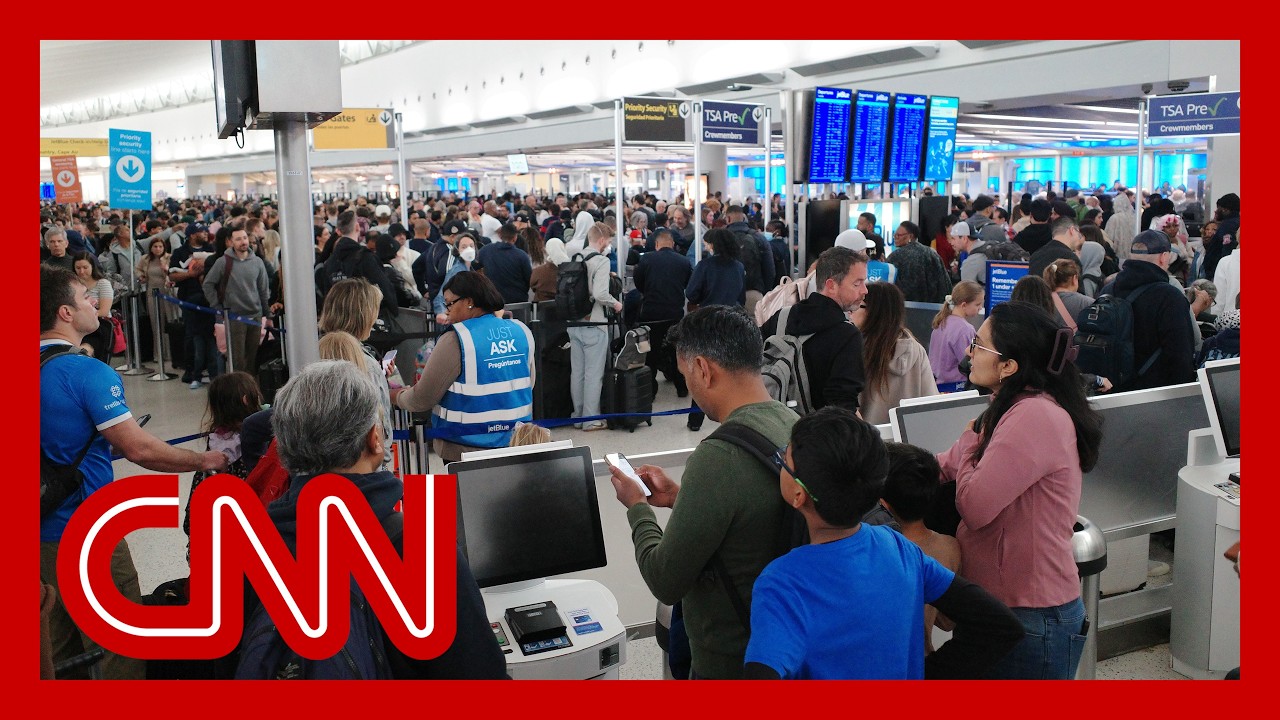
Meanwhile, the conditions at airports are becoming increasingly dire. At Baltimore Washington International Airport (BWI), long lines stretch far beyond the typical checkpoints, with wait times reported to be between three to four hours. With spring break approaching, travel volume is at an all-time high, further straining airport resources. Passengers are urged to arrive at least three hours early due to the overwhelming crowds.
At Atlanta’s Hartsfield-Jackson International Airport, the situation is similarly tense. Although the TSA lines have visibly shortened compared to previous days, the pent-up frustration of travelers is palpable. Many express disbelief at the necessity to arrive significantly earlier than usual for their flights.
A poignant narrative emerged recently from a traveler with disabilities who highlighted the inadequacies in airport services. This individual’s struggles to navigate long TSA lines underscore the need for a holistic approach to these systemic issues. Such voices resonate throughout the airport, signaling a broader call for improvements in both airport efficiency and legislative negotiations.
Conclusion
In sum, the chaos at U.S. airports is not merely a logistical headache; it is indicative of deeper legislative failings and operational inefficiencies. As Congress moves toward a potential resolution, the air travel experience hangs in a delicate balance. The urgency for both immediate financial support for TSA officers and long-term reforms tackling the inefficiencies in airport security protocols cannot be overstated.
The outcome of these legislative discussions will undoubtedly set a precedent for future governance, demonstrating the necessity for more cohesive and effective solutions to prevent similar crises in the future. As passengers continue to endure long waits and uncertainty looms over airport operations, the question remains: will the government act swiftly enough to restore order? Only time will tell.