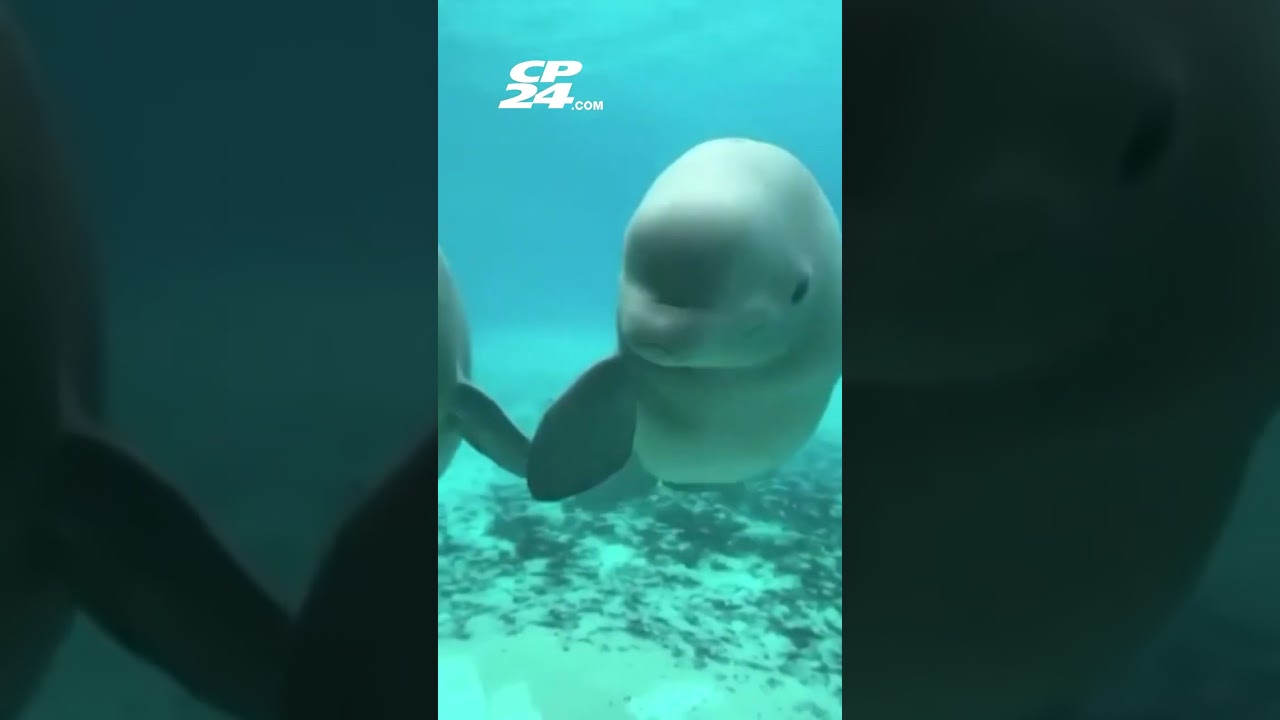
In a significant development for marine conservation and animal welfare, six beluga whales from Marineland, an amusement park in Niagara Falls, Ontario, are beginning a new chapter in the United States. These whales are part of a larger relocation plan involving all 30 belugas and four dolphins currently housed at the shuttered tourist attraction. The decision reflects ongoing efforts to address the welfare of marine mammals and align with evolving regulations surrounding their care and habitat.
Marineland has become a point of contention in discussions surrounding the ethical treatment of marine life. Over the years, the park has been criticized for its treatment of animals, leading to increased scrutiny and pressure from animal rights organizations. The recent relocation plan reflects a broader movement within the marine park industry toward more responsible practices. The six belugas will be sent to facilities in Chicago and Texas, both known for their commitment to marine research and conservation.
Previously, Marineland attempted to relocate these whales to an aquarium in China. However, this move faced significant opposition and ultimately was blocked by the federal government. The decision to halt the transfer underscored the complexities and responsibilities associated with the transportation of marine mammals, particularly regarding their welfare during such transitions. The failed attempt highlighted the importance of ensuring that new homes meet rigorous welfare standards and provide appropriate environments for the animals.
The decision to partner with U.S. aquariums marks a new beginning for these belugas and dolphins. Both recipient facilities have established reputations for their focus on conservation, research, and education. Enhanced welfare measures in these locations can provide the animals with a better quality of life, more space, and enrichment activities that mimic their natural behavior. Such initiatives are essential, particularly as the public’s awareness of animal rights and conservation issues continues to grow.
The relocation of these whales is part of a more extensive agreement with multiple facilities across the United States and Spain. This multi-faceted approach indicates a shift in the operational focus at Marineland and reflects a concerted effort to reassess the ethical implications of keeping marine mammals in captivity. With public opinion increasingly favoring wildlife conservation and ethical treatment of animals, this change is a step towards aligning public attractions with conservation-driven goals.
The transport of marine mammals involves significant logistical considerations. It requires careful planning to ensure the health and welfare of the animals throughout the journey. Experts in marine biology and animal care are essential in developing protocols that address the physiological and psychological needs of the whales during relocation. This level of scrutiny reinforces the importance of ensuring that marine mammals are treated with the utmost respect and care.
As the relocation process unfolds, it is crucial for the marine park industry to continue evolving and adapting to meet changing societal expectations. The movement of these six belugas is not merely the result of regulatory pressures; it signifies a broader shift toward responsibility and accountability in how marine mammals are treated. As custodians of these remarkable creatures, aquariums and marine parks must prioritize their welfare and contribute to research and conservation efforts in the field.
The relocation of the beluga whales from Marineland opens the door for further discussions regarding the future of marine attractions. The industry is at a crossroads, and its direction will likely continue to be influenced by both public sentiment and scientific understanding of animal welfare. Thoughtful, responsible practices must be at the forefront of any facility’s mission if they are to move forward successfully.
Ultimately, the transport of these belugas represents more than a simple transfer. It reflects an opportunity for growth, change, and progress in the way society interacts with and understands the complexities of marine life. The emphasis on marine conservation and ethical standards can redefine the landscape of marine attractions, paving the way for a future where animals are not merely viewed as entertainment, but as sentient beings deserving of our respect and protection.