Supreme Court Strikes Down Trump’s Emergency Tariffs: A Landmark Decision
In a momentous ruling that has captured the attention of legal and economic observers alike, the U.S. Supreme Court declared President Donald Trump’s implementation of emergency tariffs to be illegal. This decision not only underscores the delicate balance of power between the executive branch and Congress but also has significant implications for the economy, particularly as billions of dollars in revenue hang in the balance.
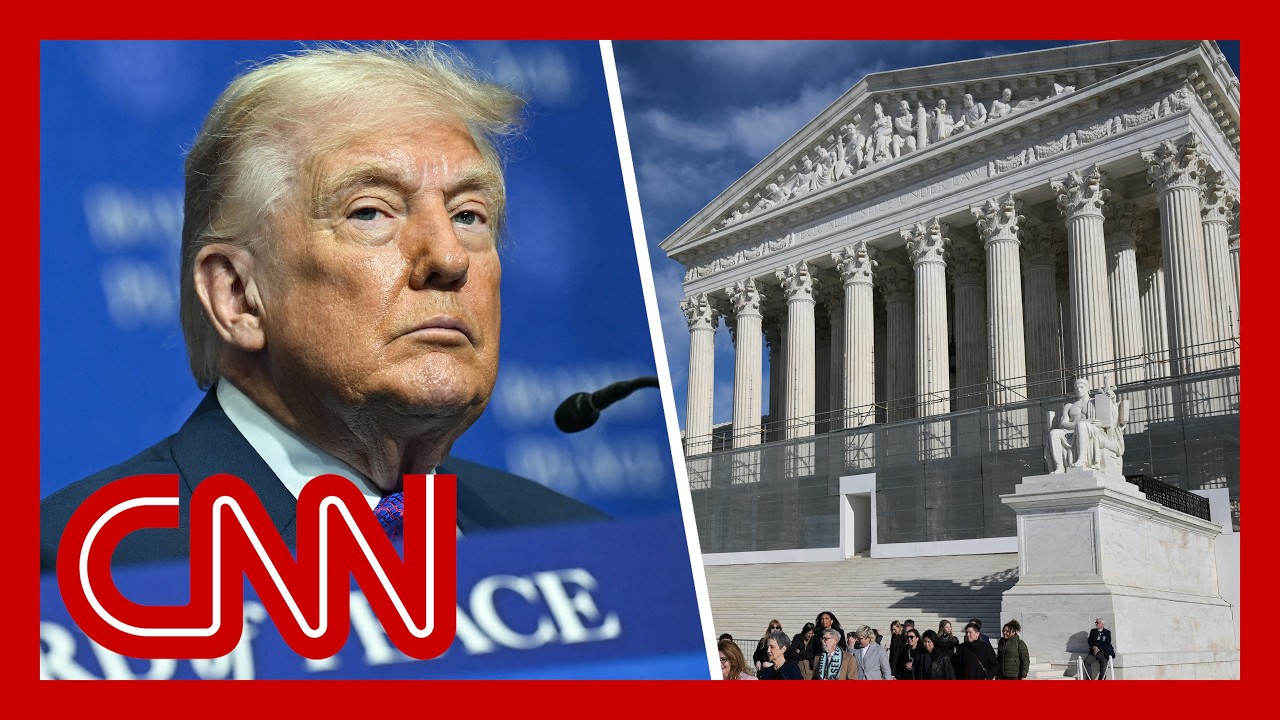
The ruling marks a staggering turn of events: it is the first major setback for President Trump’s administration from the court, which has been perceived as largely conservative. The decision arrived with bipartisan support, showing that legal interpretations can transcend political affiliations. Chief Justice John Roberts, along with Justices Neil Gorsuch and Amy Coney Barrett—three conservative justices—joined their liberal counterparts, Justices Sonia Sotomayor, Elana Kagan, and Ketanji Brown Jackson, to rule against the president.
The case revolved around Trump’s attempts to invoke the International Economic Emergencies Act of 1977, claiming an “international economic emergency” to impose these tariffs. The court’s majority found that Trump’s argument lacked sufficient legal grounding. Congress, they concluded, retains the authority to impose tariffs, and no valid emergency was established. This ruling effectively nullifies the tariffs that the Trump administration had imposed, which the administration had previously deemed crucial to its economic policy.
The economic fallout from this ruling is profound and complex. The Trump administration had amassed approximately $150 billion in revenue from these tariffs, primarily paid by American businesses. This raises a significant question: What will happen to that revenue? Will it be refunded to the businesses that were compelled to pay these tariffs? This issue remains murky, as the ruling does not clarify the procedure for addressing this financial windfall.
As experts dissect the implications of this decision, it is clear that the Supreme Court’s ruling extends far beyond tariff revenues; it challenges the extent of presidential power. Throughout his tenure, Trump has often tested the limits of executive authority. He argued that the tariffs were instrumental to his presidency, but the court’s ruling serves as a critical reminder of the need for checks and balances in government operations.
During oral arguments, justices displayed skepticism regarding the legality of using such a broad federal law to justify sweeping global tariffs. Chief Justice Roberts articulated the court’s stance succinctly in his majority opinion, stating that the president must demonstrate clear congressional authorization for such expansive powers. The lack of a definitive law supporting Trump’s tariffs directly undermines his argument and represents a significant loss of executive authority in this instance.
Despite this ruling, the administration has signalled its intent to explore alternative avenues for imposing tariffs. While this could lead to new laws being used for tariff implementation, those avenues are expected to be more restrictive compared to the broad measures previously employed. Therefore, the administration may face challenges in achieving the same economic objectives as before.
The ramifications of this Supreme Court decision are profound—not only for the Trump administration but for the future of executive power. It provokes further scrutiny of how far a president can exercise authority, especially in the realm of economic policy. As legal experts begin to parse through the 170-page ruling, it is anticipated that some elements may return to the lower courts, which could further complicate the situation.
Moreover, the immediate action following this ruling remains uncertain. Will the tariffs be lifted immediately, or will there be a transition period? The court’s opinion does not provide clarity on this logistical question, creating confusion for businesses and markets alike that are still trying to navigate these new legal waters.
While the fallout from this ruling continues to unfold, it serves as a noteworthy chapter in the ongoing discourse surrounding presidential power and its checks. Not only does this case illuminate legal boundaries, but it invites conversations regarding the future of economic governance in the United States. The Supreme Court has sent a clarion call, reminding us that the authority of governmental branches must be executed with scrutiny and stringent oversight.