The Unraveling of Eric Swalwell: A Congressional Crisis
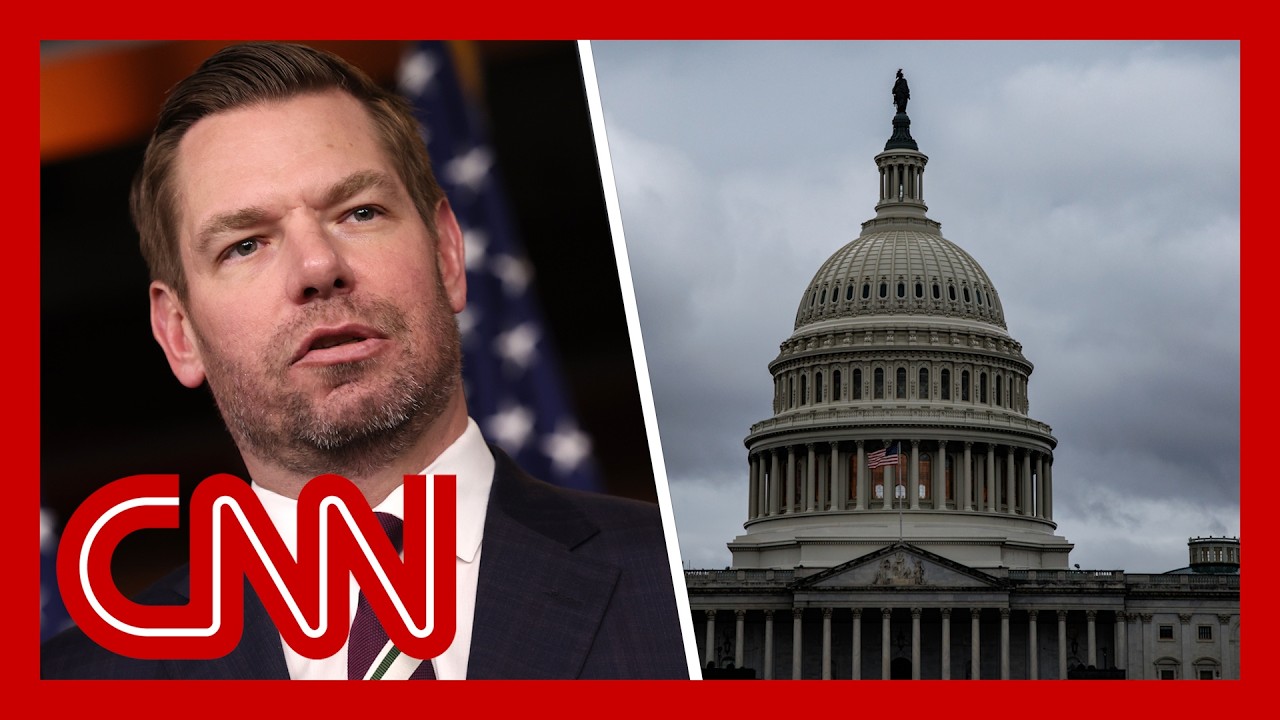
This morning, the political landscape shifted dramatically as Eric Swalwell, a prominent Democratic congressman, withdrew from the California governor’s race, only to find himself embroiled in serious allegations of sexual misconduct. The situation escalated overnight, with four women accusing him of inappropriate behavior—one woman even alleging that Swalwell raped her. Responding to these accusations, the Manhattan District Attorney’s office has opened an investigation, further complicating Swalwell’s challenges.
Swalwell has publicly denied all allegations against him and issued a statement apologizing to his wife amid these unfolding events. However, the political fallout has already begun, with calls from fellow Democrats for his immediate resignation. Such actions reflect a significant concern within the party, particularly as Congress reconvenes this week after an extended recess.
The Democrats’ push for expulsion from the House illustrates the seriousness of the matter. Historically, expulsions from Congress are exceedingly rare, having occurred only six times. The last prominent case involved fellow congressman George Santos. Now, the question remains: how will congressional leaders navigate the turbulent waters stirred by Swalwell’s alleged misconduct and its implications for the party?
Daniela Diaz, a congressional reporter, highlighted that the swift reactions from Swalwell’s Democratic colleagues indicate a broader pattern of consequences within Congress. These responses reflect a newfound vigilance regarding accountability, particularly in light of previous scandals that have cast doubt on elected officials. The involvement of multiple women who have come forward underscores a deep-seated issue that Congress cannot afford to ignore.
As the House reconvenes, Swalwell is anticipated to be present, but the atmosphere will be tense. The Democratic leadership is grappling with the implications of this scandal, which could lead to multiple expulsions. Notably, representatives such as Cory Mills and Tony Gonzalez are also facing scrutiny concerning allegations of misconduct, raising the prospect of a broader reckoning.
Some commentators suggest the possibility of a “package deal” for expulsions—perhaps two Republicans and two Democrats could face consequences simultaneously. This approach may reflect an attempt to maintain bipartisan credibility while addressing serious misconduct within the ranks. However, this raises questions about the selectivity of accountability and whether the House can implement such measures effectively.
Moreover, it’s essential to note that Swalwell is the only individual among these accused lawmakers who has not yet been subjected to an investigation by the House Ethics Committee. Traditionally, such investigations serve as a precursor to any disciplinary actions, yet the current climate appears to bypass this standard procedure. Senate Majority Leader Hakeem Jeffries has called for a swift investigation, showcasing a bipartisan readiness to confront these allegations seriously.
From a legal perspective, the Manhattan District Attorney’s inquiry will focus on the central issue of consent. The prosecutorial process is methodical, involving interviews with the alleged victim and the accused, as well as an exhaustive search for corroborative evidence. It is evident that past communications, which may include texts and online interactions, will play a pivotal role in assessing the claims against Swalwell.
The broader cultural implications of these allegations resonate throughout Congress and mirror a societal shift towards demanding accountability from public figures. Many Democratic leaders have become increasingly vocal in their condemnation of sexual misconduct, sensing a unique opportunity to effect change and reinforce a zero-tolerance policy within their ranks.
In the wake of these allegations, the California governor’s race has already been thrown into disarray. The state, long considered a Democratic stronghold, now finds itself at a crossroads. With Swalwell’s departure, uncertainties loom regarding the candidates who could emerge in the top two positions for the primary elections. As party leaders scramble to consolidate their positions, the potential ramifications extend beyond the immediate scandal to the broader implications for Democratic unity moving forward.
Once a frontrunner in California politics, Eric Swalwell has now become a symbol of ongoing struggles within Congress over accountability and conduct. As the investigation unfolds and Congress grapples with its next steps, the repercussions of this scandal will likely echo in legislative halls and the public’s collective consciousness for months to come. Congress stands at a pivotal moment, and how it chooses to address these allegations will define its commitment to integrity and transparency in government.