The Political Climate Surrounding the 2026 World Cup: A Complex Intersection of Sports and Geopolitics
The 2026 FIFA World Cup marks a historic milestone as it is set to be co-hosted by the United States, Canada, and Mexico. As the world’s most cherished sporting event approaches, it resonates with excitement and anticipation, yet it also casts a shadow of geopolitical tension. This juxtaposition of fervor and disquiet is particularly evident given the current tumultuous political climate in the United States, where the incumbent president has been embroiled in conflicts, both domestically and abroad.
Soccer enthusiasts laud the World Cup as an opportunity to celebrate the sport’s global reach. However, the intersection of politics with this sporting spectacle injects a complex dynamic. President Donald Trump’s controversial policies, including tariffs and military actions, have led to significant pushback. While soccer traditionally serves as a unifying force, many potential fans feel compelled to reconcile their enthusiasm for the sport with their discontent regarding U.S. foreign policy.
Contributors and sports analysts have observed the stark contrast between the optimism surrounding the 1994 World Cup—hosted by the United States—and the current atmosphere. In 1994, an exuberant crowd gathered to mark soccer’s arrival in American sports culture. As Ishan, a geopolitical analyst, points out, that optimism has dissipated. Instead, a palpable sense of skepticism looms, particularly among European fans. Many have expressed frustration with the perceived coalescence between FIFA and President Trump, leading to concerns over issues such as visa restrictions for foreign teams and the financial burden placed upon attendees.
The unease is palpable as countries like Germany flirt with the idea of boycotting the event over U.S. foreign policies. Although a boycott seems unlikely, the sentiments highlight a larger discontent brewing in European nations. Such apprehensions are nowhere near unprecedented; sports have always been intertwined with national narratives. From Mussolini’s regime utilizing the 1934 World Cup to strengthen its hold over Italian citizens, to modern-day concerns surrounding individual leadership, this blending of sports and politics has deep roots.
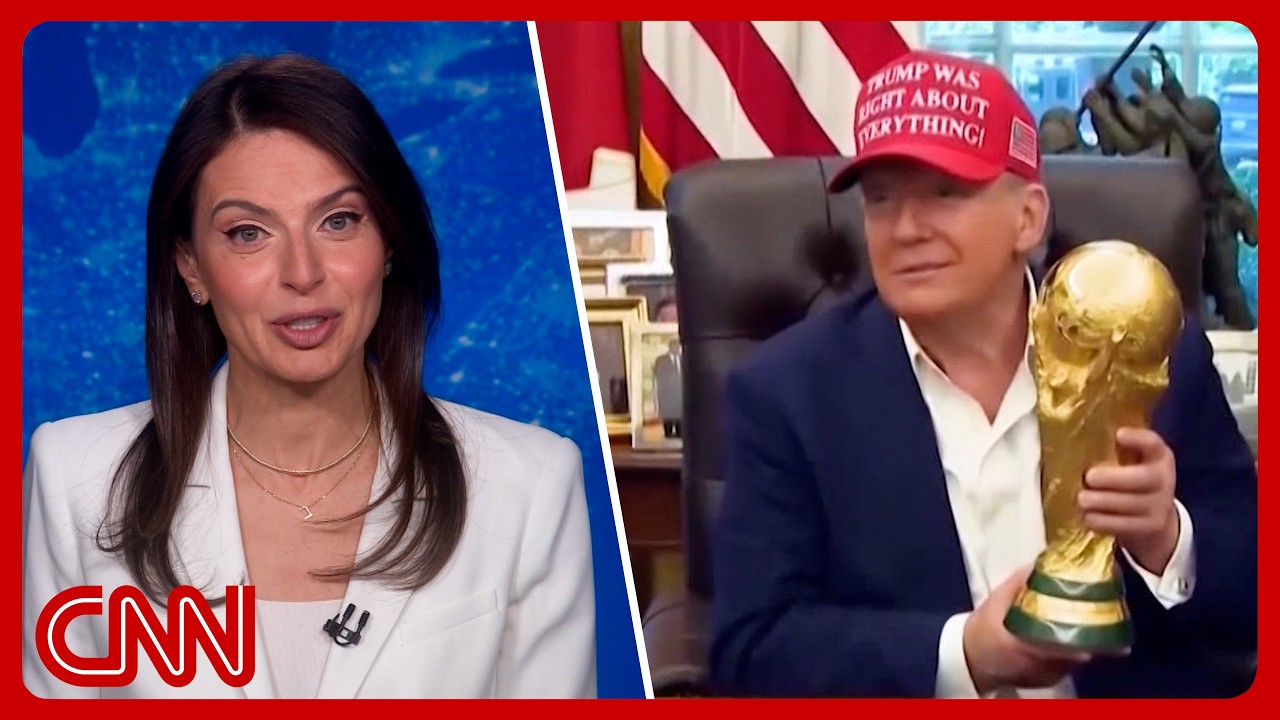
Yet, there lies a unique distinction today: Trump’s personalized influence over the tournament. His image has rapidly become synonymous with the World Cup in the eyes of many. While FIFA President Gianni Infantino may argue that aligning closely with Trump is necessary for organizational harmony, this relationship invites discomfort from various sectors, especially as the tournament is not solely an American event. The World Cup should stand as a celebration of diverse cultures and unification, yet perceptions of it as “Trump’s World Cup” mar that vision.
Hostility continues to brew in relation to the Iranian national team’s participation. The 2026 World Cup is poised to be the first instance in history where the host nation is actively engaged in military conflict with one of the competing teams. Many Iranian Americans are left in a precarious position of navigating their love for the game while grappling with their identity and political sentiments. Reports indicate that some may protest the games in Los Angeles, confronting their complicated relationship with both the Iranian government and the U.S. administration.
Intriguingly, despite the potential for discontent, the World Cup offers a demographic tapestry that embodies America’s diversity. The large Iranian diaspora residing in California is poised to create a vibrant atmosphere at the matches, showcasing a unifying spirit amid complexity. This diverse representation could define the tournament’s legacy far beyond the political machinations at play.
As anticipation builds towards the event, it remains to be seen whether the euphoria of soccer can eclipse the prevailing skepticism. The question looms large: Can the World Cup emerge as a beacon of unification and cultural exchange amidst geopolitical strife? As fans from all corners of the globe gear up for an event that is as much about rivalry as it is about camaraderie, the world watches closely. The unfolding narratives promise to intrigue not just sports aficionados but also geopolitical analysts navigating the intricate dance between sports and politics.