The Iran-Israel Conflict: Day 99 of Warfare and Tenuous Ceasefires
As the Iran-Israel conflict enters its 99th day, new developments indicate that the already fragile ceasefire is increasingly under strain. What began as a tenuous pause for negotiations has morphed into a series of exchanges that threaten to escalate tensions further, drawing in regional allies and deepening geopolitical divides.
Recent Escalations
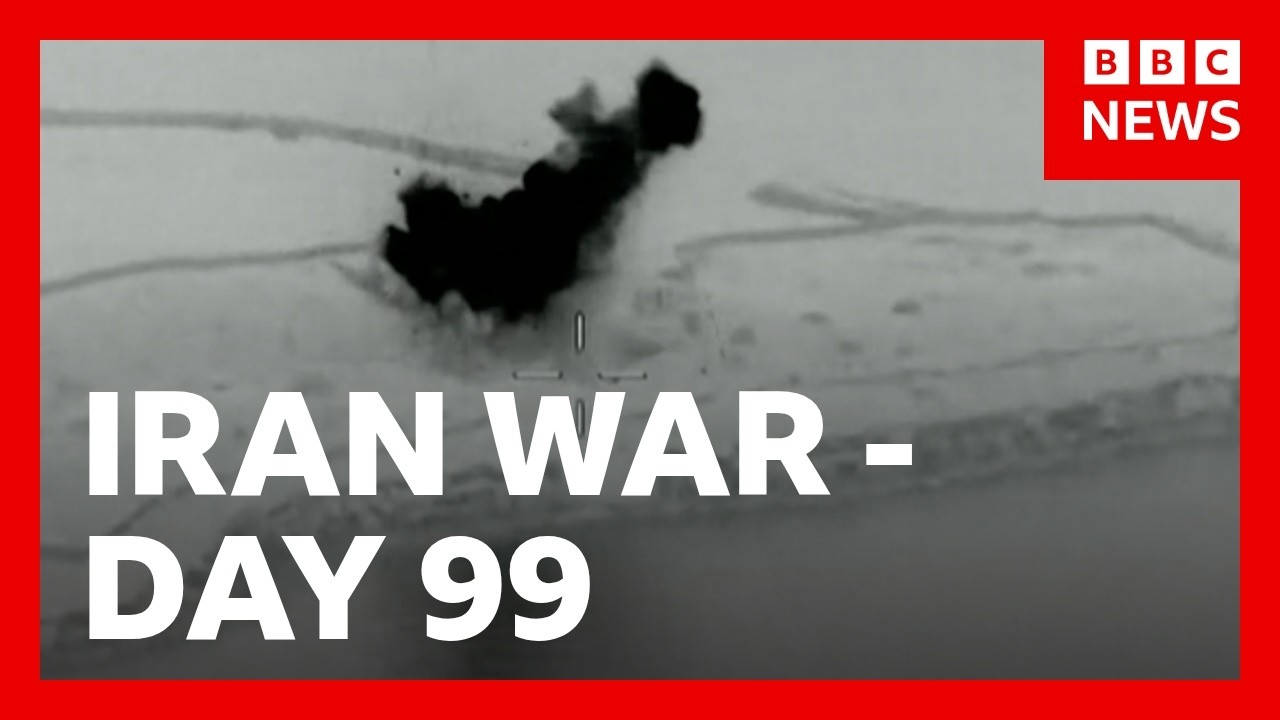
The ongoing ceasefire has faced its latest test as Iran launched missile attacks on Kuwait and Bahrain. In retaliation, U.S. forces targeted Iranian radar sites and drones, marking a significant uptick in hostilities. This new phase of aggression prompted swift condemnations from both Kuwait and Bahrain, highlighting the pervasive anxiety within the region. This tit-for-tat exchange raises serious questions about existing diplomatic avenues aimed at peace.
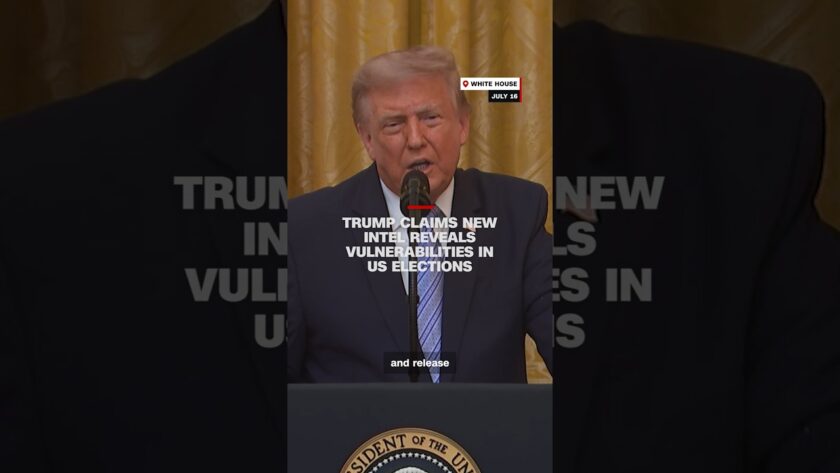
President Donald Trump’s administration continues to assert that a peace agreement remains possible. However, Trump acknowledged the challenges that lie ahead. "Most of the drone factories have been knocked out, but they still maintain some capacity," Trump stated, capturing the precarious balance in the conflict. The President’s remarks resonate with ongoing military assessments, indicating that while significant Iranian military assets have been compromised, a substantial portion remains operational.
The State of Ceasefire Talks
Despite the escalating skirmishes, the U.S. remains committed to the peace process, albeit with diminishing optimism. Tom Simons, a political analyst reporting from Washington, emphasized that the conflict’s dynamics could thwart any real progress toward a lasting peace deal. In a recent interview, Trump even went so far as to suggest indifference toward the talks with Iran, signaling a potential pivot in U.S. diplomatic strategy.
The Lebanese territory adds another layer of complexity to this already convoluted conflict. The Lebanese Armed Forces have reported casualties due to Israeli airstrikes, highlighting the precarious nature of ceasefires in a geographically fractured landscape where Hezbollah operates with Iranian backing. Reports out of Lebanon indicate that despite attempts to establish buffer zones, tensions remain high, with Hezbollah refusing to back down in military engagements.
Regional Ramifications
In Lebanon, Israeli strikes on Hezbollah positions have intensified fears among citizens about the return of broader conflict. Recent attacks left several Lebanese soldiers dead, including a high-ranking officer. This incident not only complicates local security dynamics but also threatens to destabilize the fragile ceasefire that had tentatively been agreed upon just days prior.
The Iranian government has responded to these events by unmistakably linking the situation in Lebanon with its broader conflict with the U.S. Iranian officials emphasize that they perceive the fates of their military engagements in both contexts as inextricably linked. Foreign Minister Hossein Amirabdollahian stated that Lebanon remains central to Iran’s strategy, reinforcing the idea that resolution in one area will inevitably affect another.
World Cup Woes
Adding another layer to the conflict, Iran recently criticized the U.S. for denying visas to their World Cup support staff, accusing it of discriminatory treatment. Although the players secured the necessary travel documents, numerous key staff members remained barred from entry, raising concerns over the Iranian delegation’s ability to perform satisfactorily during international sporting events.
As the Iranian team navigates visa restrictions and geopolitical undercurrents, it finds itself ensnared in a broader narrative of national representation. The normalization of hostilities not only jeopardizes diplomatic relations but also complicates cultural exchanges, such as sports, which often serve as a temporary reprieve from conflict.
Conclusion: An Uncertain Path Ahead
Day 99 of the Iran-Israel conflict suggests that the prospect of a sustainable peace remains elusive. Both sides seem locked in a cycle of aggression that only heightens local and regional tensions. As President Trump and military analysts contend with shifting paradigms, the disconnect between rhetoric and reality becomes ever clearer. While the pursuit of peace continues, recent escalations underscore how quickly the situation can deteriorate, painting a stark picture of the tenuous state of international relations in this volatile region. As we stand on the brink of the 100-day mark, the need for a concerted diplomatic effort has never been more pressing.